





Best Fabrics for Ready to Wear Sarees: Cotton or Silk?
Cotton whispers ease, silk whispers elegance. What are you wearing today?
Well When it comes to sarees the biggest debate is still the oldest one: cotton or silk? In 2025, as modern professionals look for comfort, style, and sustainability in one sweep, this question matters more than ever. Cotton sarees offer breezy ease and everyday elegance, while silk stands tall with its luxurious sheen and festive charm.
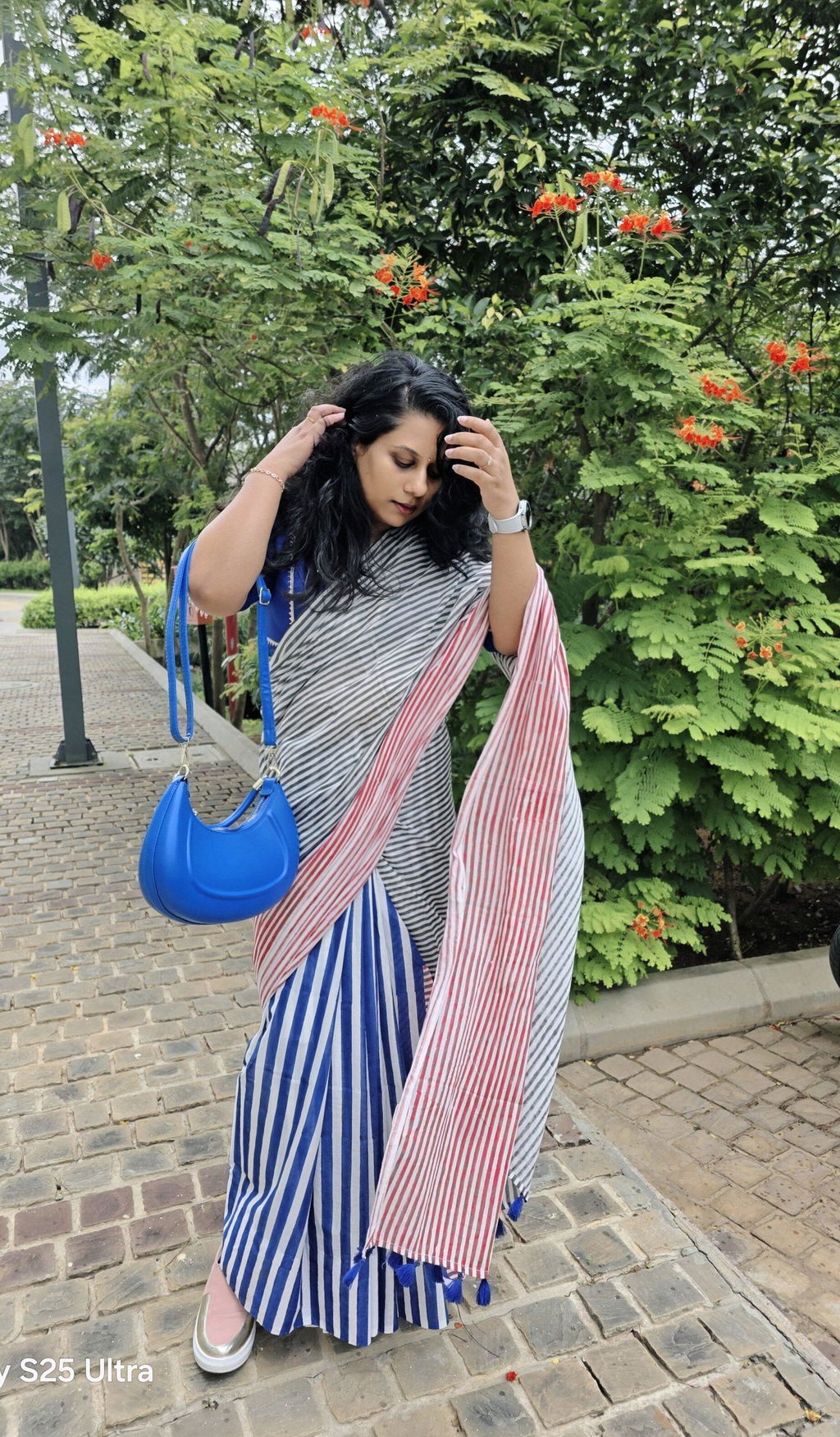
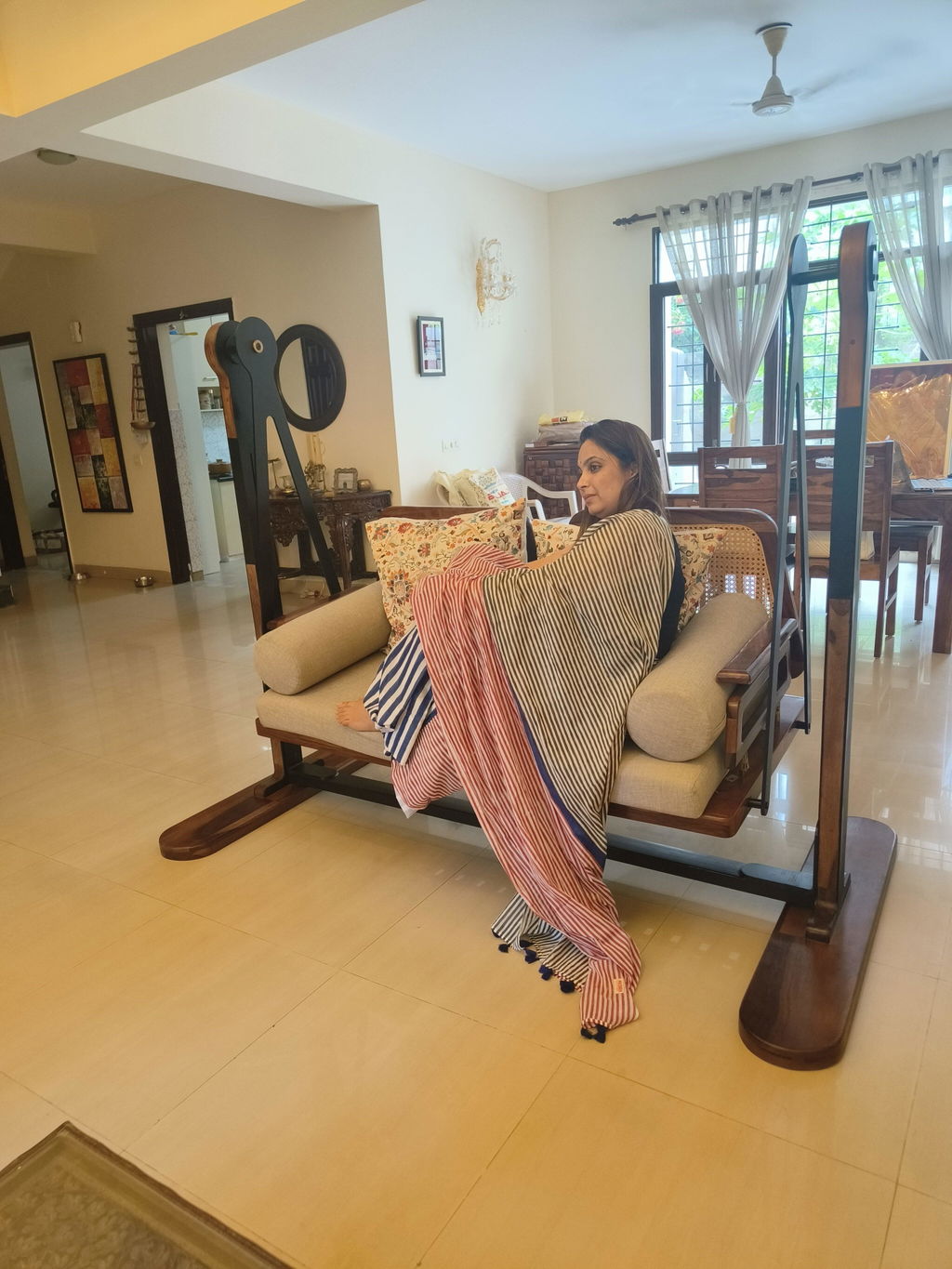
Brands like Moora are reimagining both worlds with ready-to-wear sarees that blend tradition with convenience—think soft handloom cotton mulmul for workdays and silk-cotton Chanderi blends blends perfect for celebrations. If you’re navigating the new-era saree wardrobe, here’s your quick.
Charming Simplicity of Cotton Sarees
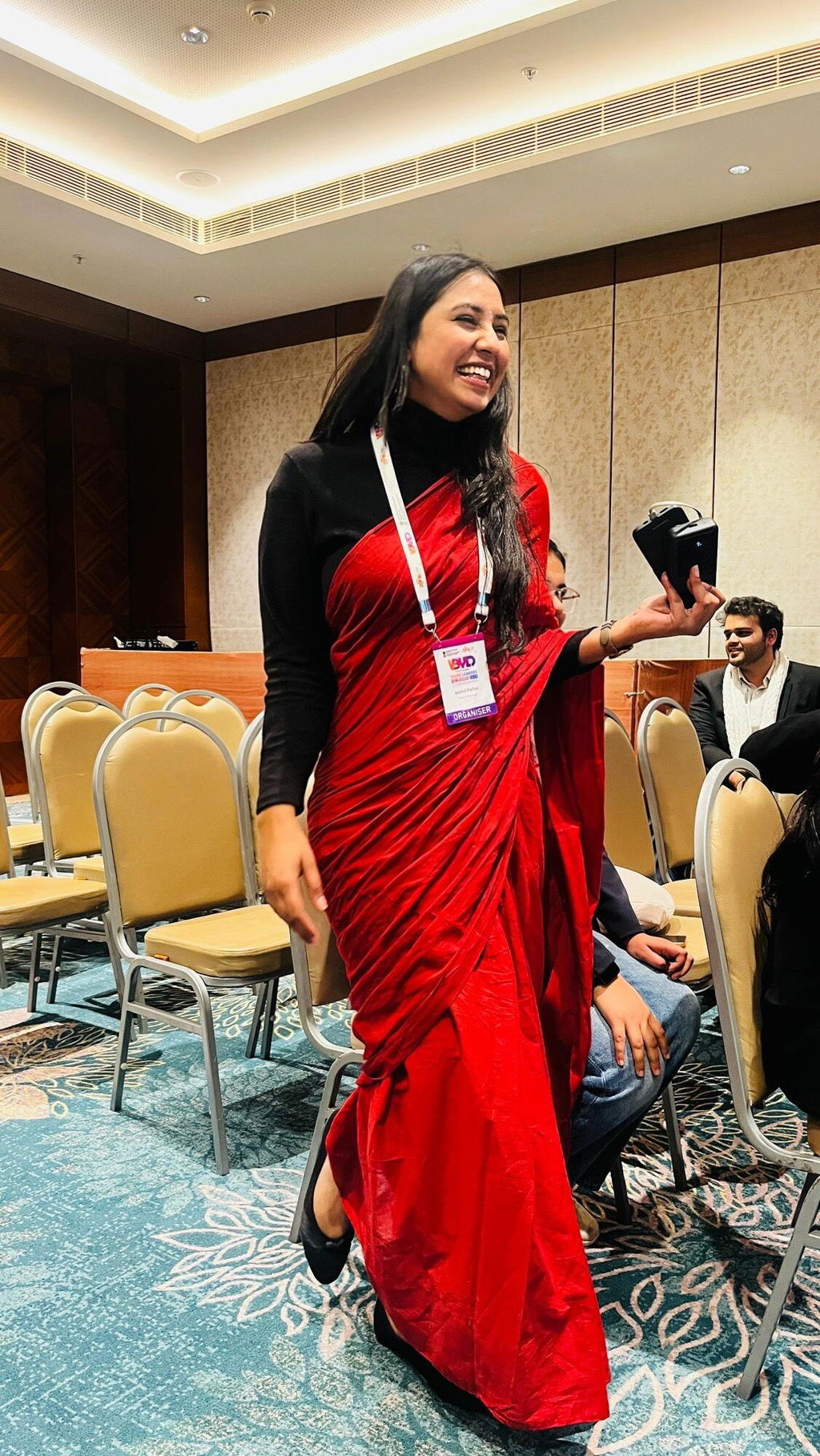
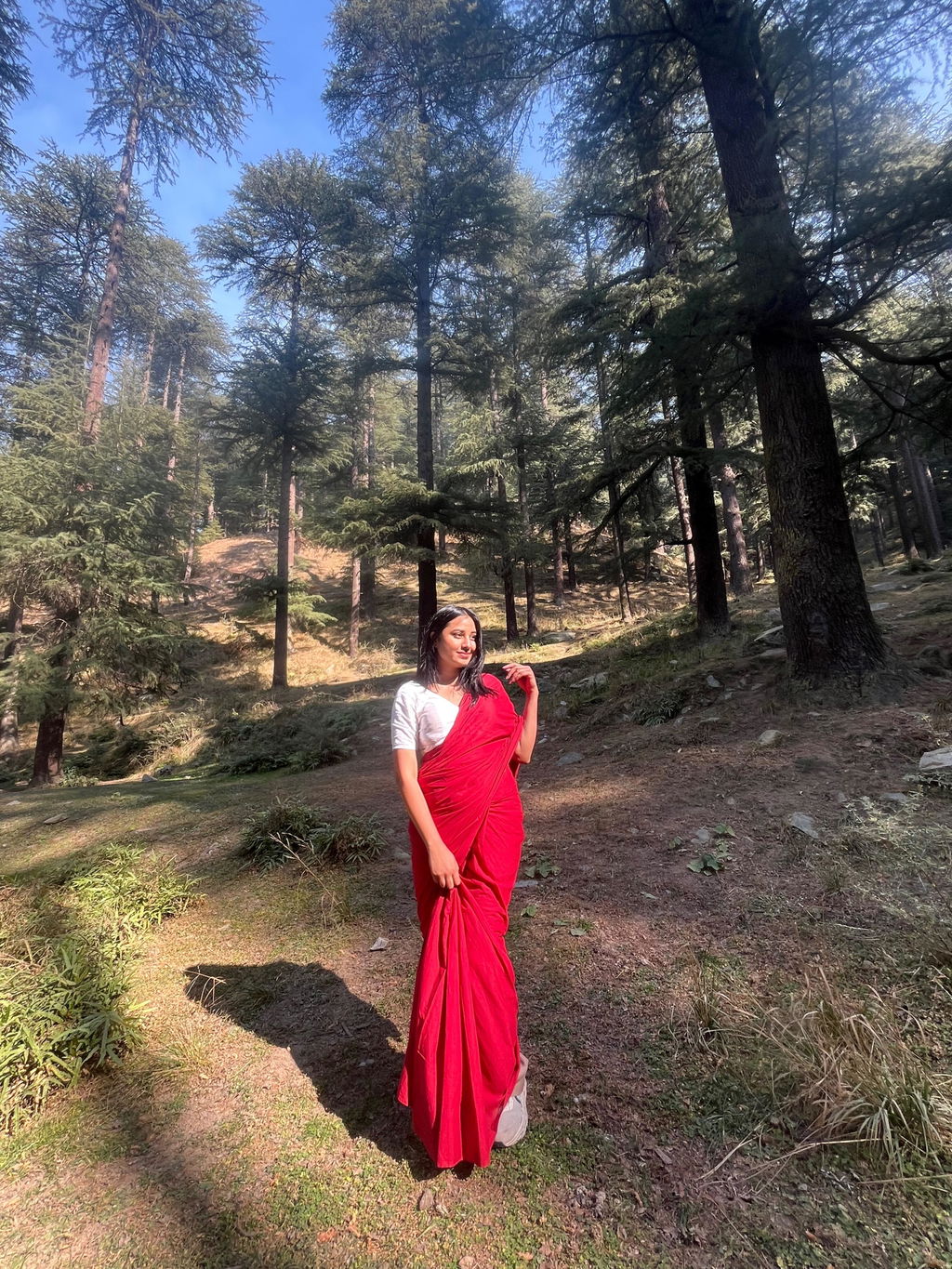
cotton sarees thanks to their simplicity and ease of draping, have always been a beloved choice in Indian households. There is an unmatched softness and earthy appeal to cotton that instantly puts the wearer at ease. From the homely comfort of a Bengal weaved cotton to the refined elegance of a Kerala Kasavu, cotton sarees embody a down-to-earth charm.
They are lightweight, breathable, and perfectly suited for India’s warm climate and daily wear. In fact, many refer to wrapping oneself in a cotton saree on a hot day as akin to being enveloped in a cool breeze. It’s no wonder that cotton weaves are often the first choice for everyday sarees, work attire, and casual outings – they keep one feeling fresh and comfortable for hours

Image source : instgram / balanvidya

You can find one similar to what Vidya Balan is wearing at Moora
Unmatched Comfort: Cotton Sarees
When it comes to comfort, cotton sarees truly shine. The fabric’s natural fibers allow air to circulate freely, making these sarees a godsend in hot and humid climates. During the peak of summer, a light cotton saree can be a savior, allowing the skin to breathe and sweat to evaporate, which keeps the body cool.
The breathable nature of cotton means you can go about a busy day – whether you’re a school teacher rushing between classes or a homemaker running errands – without feeling weighed down by your outfit. The texture of cotton on the skin is soft and non-irritating, ideal for those with sensitive skin or anyone who values all-day ease.
The comfort factor is so high that cotton sarees often feel like a second skin. One can sit, move, and work with ease, which is why they are favorites for daily wear. Many working professionals swear by cotton sarees for long hours – a crisp cotton from Moora’s handloom collection, for instance, will keep you cool and presentable even in the sweltering noon heat, exemplifying how comfort and style go hand in hand.
● Highly breathable: Natural fibers allow air circulation, keeping you cool in hot, humid weather.
● Soft on the skin: Gentle, irritation-free texture—ideal for long hours and sensitive skin.
● Lightweight & easy to move in: Perfect for busy days, errands, teaching, or office wear.
● All-day freshness: Absorbs sweat well, making it feel like a “second skin.”
● Moora highlight: Moora’s All-day freshness sarees keep you crisp, cool, and effortlessly stylish even in peak summer.
Pros of cotton saree
Low-Maintenance
One of the unsung advantages of cotton sarees is how easy they are to care for. Unlike luxurious silks that demand delicate handling, cotton is a sturdy fabric that can withstand regular use. Most cotton sarees can be hand-washed or even machine-washed gently, and they tend to retain their color and texture well over time.
In fact, many cotton sarees look better with each wash – softening beautifully without losing their charm.
There’s a saying that a well-made cotton saree only gets more comfortable the more you wear it, truly aging gracefully. Maintenance for cotton sarees typically involves simple steps: wash with mild detergent, dry in shade to preserve color, and iron to get a crisp finish. There’s no need for expensive dry-cleaning or special storage; just fold them neatly or hang them in your closet.
Cotton also is less prone to stains compared to delicate silk. A small spill can often be remedied at home without permanent damage – a relief for everyday wearers. This low-maintenance aspect means that even busy individuals or those on a budget can enjoy wearing sarees daily without the worry of intensive care.
● Cotton sarees are easy to care for—no delicate handling needed.
● Most can be gently hand-washed or machine-washed, retaining color and texture over time.
● The fabric softens with every wash, aging gracefully without losing charm.
● Simple upkeep: mild detergent, shade drying, quick ironing for a crisp finish.
● Less prone to stains than silk, making cotton perfect for everyday, fuss-free wear.
Easy on the Pocket
Affordability is another area where cotton sarees have the upper hand. Generally, cotton sarees cost much less than silk sarees, making them accessible to a wider audience. You don’t need to spend a fortune to own a beautiful cotton drape – which is why college students, young professionals, and homemakers alike often have a stack of pretty cotton sarees in their wardrobe.
The price range of cotton sarees can start from very budget-friendly (for simple machine-printed varieties) to moderately priced (for handlooms or designer cottons), but even the high-end handloom cottons tend to be more affordable than comparable silks.
This reasonable pricing means you can https://moora.in/collections with different styles, colors, and prints of cotton without breaking the bank.
Moora embodies this philosophy of affordable elegance. The brand believes that thoughtful design shouldn’t cost the earth (or your wallet), which is why their handloom cotton sarees are priced to be accessible yet fair, honoring the artisans’ work while ensuring customers get value.
Easy Fashion Choice for All Occasions
A common misconception is that cotton sarees are meant only for casual or everyday wear, when in reality they are remarkably versatile and suitable for a range of occasions. A crisp Kerala cotton saree with a gold border brings elegance to daytime festivals or puja events, while a hand-painted Madhubani cotton saree paired with oxidized silver jewelry can create an artistic statement at exhibitions or cultural gatherings.
Cotton sarees also adapt effortlessly from day to evening looks.
Moora embraces this versatility through modern, breathable cotton sarees featuring contemporary prints and flattering fits.
What are the Drawbacks?
● Less Glamorous: Cotton lacks the natural sheen and opulence of silk.
● Wrinkles Easily: Pleats and drapes can lose crispness.
● Color Fading: Frequent washes may dull colors.
● Not Warm: Thin cotton provides little insulation.
● Limited Heavy Embellishments.
Modern Solutions: Cotton-silk blends offer a balance of comfort and elegance.
Regal Look of Silk Sarees

Image source : ndtv
Let’s be honest—whenever we talk about sarees, the very first name that comes to mind is the iconic Rekha ji. With her timeless elegance, effortless drapes, and that signature glamour, she made the saree not just an outfit, but a statement of grace and confidence.

At Moora, we aim to bring a slice of that magic to every woman. Our pre-draped and ready-to-wear sarees capture the same essence of sophistication while adding modern convenience.
It might surprise some to know that pure silk, despite its delicate appearance, is an incredibly strong and durable fibre. A woman draped in a vibrant Banarasi or Kanjeevaram silk saree radiates timeless elegance and opulence.
Silk’s natural sheen and luxurious texture instantly elevate the wearer.
Luxurious and Glamorous
Silk sarees have an aura that spells luxury. From the moment you drape one, you’ll notice how it catches the light – that glossy sheen is unique to silk and immediately adds a glamorous touch.
There are numerous varieties of silk, each with its own brand of luxury.
This glamorous quality of silk has also made it a symbol of status.
Durable and Long-Lasting
It might surprise some to know that pure silk, despite its delicate appearance, is an incredibly strong and durable fiber. A well-made silk saree can literally last generations.
Silk’s strength means it resists wear and tear; its colors remain vivid over time.
Heritage of Embroidery: Cotton vs. Silk

If cotton sarees celebrate subtlety, silk sarees celebrate intricacy and artistry.
World's Costliest Saree: Vivaah Pattu Saree by Chennai Silks
image source : instagram/ theculturegully
Vivaah Pattu saree, created by Chennai Silks, sold for Rs. 39,31,627 on 5 January 2008.
Vivaah Pattu was not just about gold and diamonds. The heart of this saree is Raja Ravi Varma’s paintings.
The central pallu features the iconic Galaxy of Musicians — women in traditional attire, each playing a musical instrument. This scene was handwoven, not printed.

Moora silk-cotton saree might feature a traditional Bagru block print border or use a zari-woven Maheshwari pallu inspired by classical designs.
focused on contemporary wearability, also pays homage to these traditions.
By doing so, Moora and similar brands ensure that these age-old arts continue to find appreciation among today’s youth.
Versatile Silk Choices
● Not just heavy or winter-only
● Lightweight options: chiffon, organza
● Breathable silks: Tussar
● Silk-cotton blends: Chanderi, Maheshwari
● Sustainable silks: Eri, Modal
● Styling versatility for traditional or modern looks
Design & Styling Variety: Cotton vs Silk Sarees
Cotton sarees:
● Understated elegance
● Regional classics
● Perfect for everyday wear
● Evolve beautifully with trends
● Moora’s Bagru hand-block prints, blend tradition with modernity
Silk sarees:
● Luxurious sheen
● Iconic weaves
● Ideal for weddings & celebrations
● Regal drape & intricate zari
● Moora’s silk-cotton blends offer elegance + lightness
Status & Pedigree: Cotton vs. Silk
 image source : Hindustantimes
Silk has long been a symbol of luxury, status, and heritage.
However, modern brands like Moora are democratizing elegance.
Shortcomings of Silk Sarees
● High Maintenance
● Stain Sensitivity
● Heavy & Warm
● Less Breathable
● Cost & Care Anxiety
Another shortcoming is comfort in heat. Silk can feel warm and cling to the skin.
When to Choose Cotton vs. Silk Sarees
1. Occasion
● Cotton: daily wear, office
● Silk: weddings, festivals
● Blends: festive elegance + comfort
2. Climate
● Cotton: hot, humid, outdoor
● Silk: winter weddings, AC venues
● Blends: transitional weather
3. Budget
● Cotton: affordable
● Silk: investment
● Blends: moderate luxury
Moora offers silk-cotton blends worth investing in.
4. Maintenance
● Cotton: low maintenance
● Silk: careful handling
● Blends: balanced care
5. Personal Style
● Cotton: minimalist, artsy
● Silk: bold, luxurious
● Mix both for a complete wardrobe
Conclusion: Cotton vs. Silk – The Choice is Yours
In the debate of cotton vs. silk sarees, the real winner is the wearer.
Cotton offers comfort & simplicity.
Silk brings luxury & heritage.
In 2025, blending tradition with modernity is the norm.
Brands like Moora embody this beautifully.
Ultimately, keep both in your wardrobe and wear what reflects your mood, occasion, and style.
FAQs
Q1. Which fabric is better for everyday wear - cotton or silk sarees?
Cotton sarees are better for everyday wear.
Q2. Are silk sarees worth the investment?
Yes, because of elegance, durability, and heirloom value.
Q3. Budget-friendly alternatives to pure silk sarees?
Silk cotton blends, art silk, minimal-zari silks.
Q4. Maintenance difference?
Cotton = easy. Silk = dry clean + careful storage.
Q5. Best for formal occasions?
Banarasi or Kanjeevaram silk sarees.

