
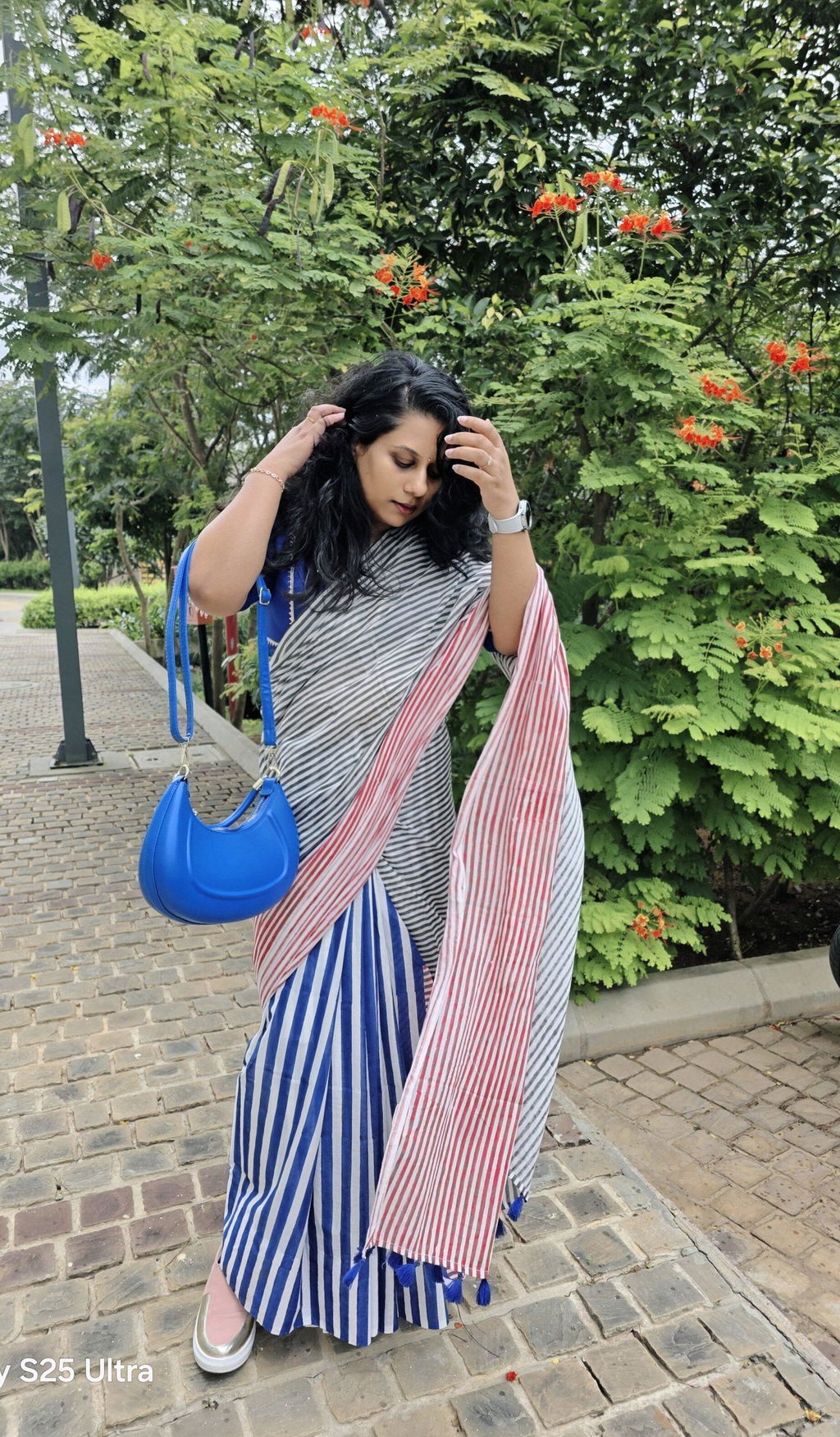
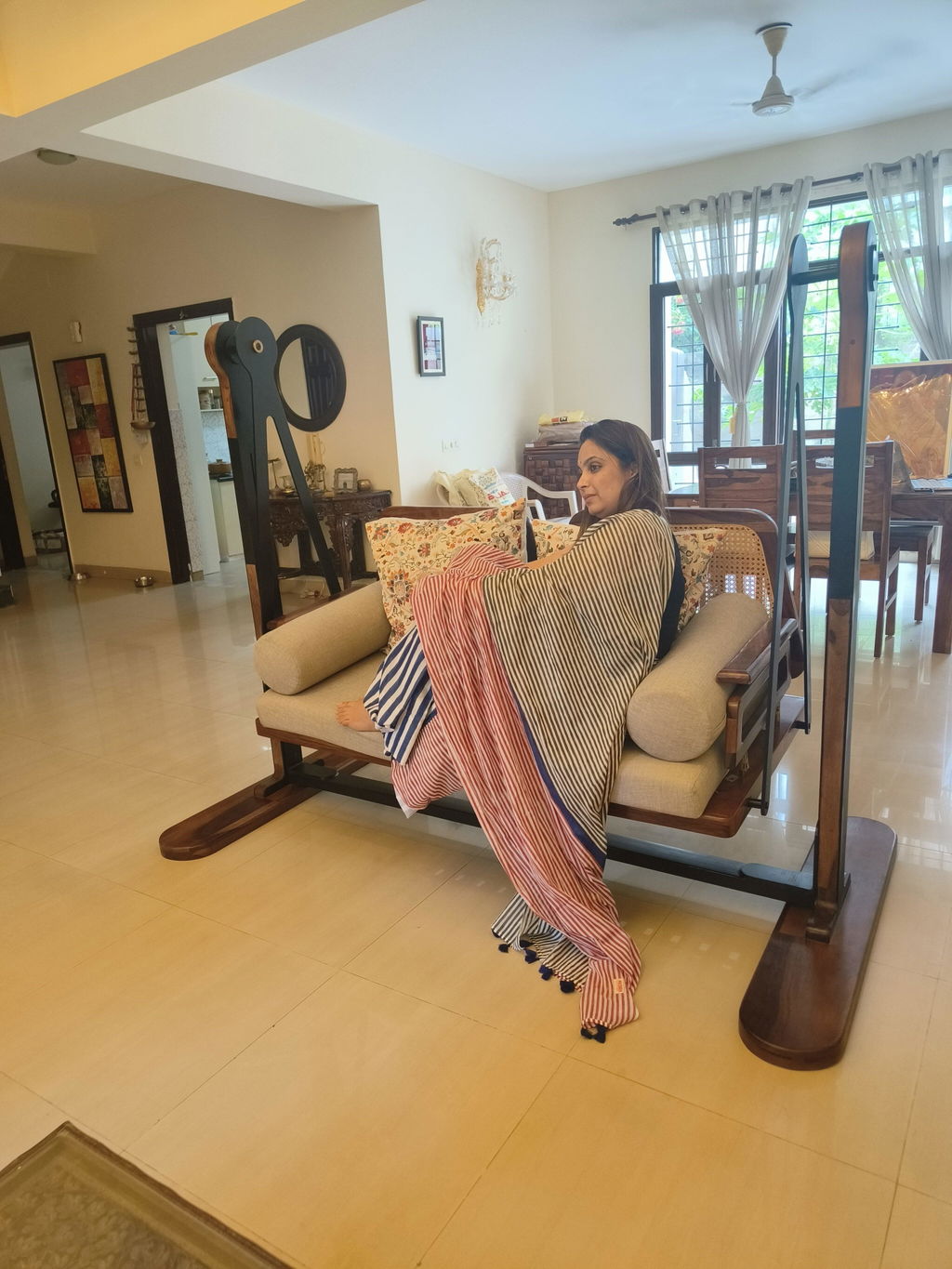



Why breathability is new luxury in fashion? and not just another trend

There are fabrics you wear. And then there are fabrics you forget you are wearing.
Quietly. Gently. Comfortably.
Why Breathability Is the New Luxury in Indian Fashion
Luxury in Indian fashion is changing. It no longer announces itself through weight, shine, or excess. It does not depend on how elaborate a garment looks when it is untouched. Instead, it reveals itself slowly through comfort, through ease, through how a fabric behaves once the day begins.
Today, luxury is no longer about what impresses others. It is about what supports the wearer. And at the heart of this shift lies in one simple idea: breathability.
The Quiet Shift in What We Value
There is a subtle change happening in the way we choose what to wear, and it is not driven by trends or declarations. It is driven by fatigue, fatigue from excess, from constant novelty, from clothes that look impressive but feel demanding. Slowly, almost instinctively, people are beginning to value how garments behave rather than how loudly they perform. Comfort is no longer seen as a compromise. Ease is no longer mistaken for lack of ambition. What we value now is breathability over stiffness, familiarity over spectacle, and reliability over reinvention.
This shift is quiet because it does not announce itself through dramatic silhouettes or seasonal statements. It shows up in what gets worn repeatedly, in what survives long days, and in what feels kind to the body. Over time, this change reflects a deeper cultural movement one that prioritises living well over dressing impressively, and meaning over momentum.
For years, luxury in Indian clothing was associated with richness. Heavy silkk, dense embroidery, structured silhouettes that held their form regardless of the body beneath. These garments were made to be seen. Not always to be lived in.
But modern lives have changed, days are longe, roles are layered, movement is constant. Where women step in and out of professional, personal, and social spaces without pause. In this reality, the idea of luxury has softened. What feels indulgent now is not weight but relief.
Not stiffness,but freedom.
Not spectacle, but comfort that lasts.
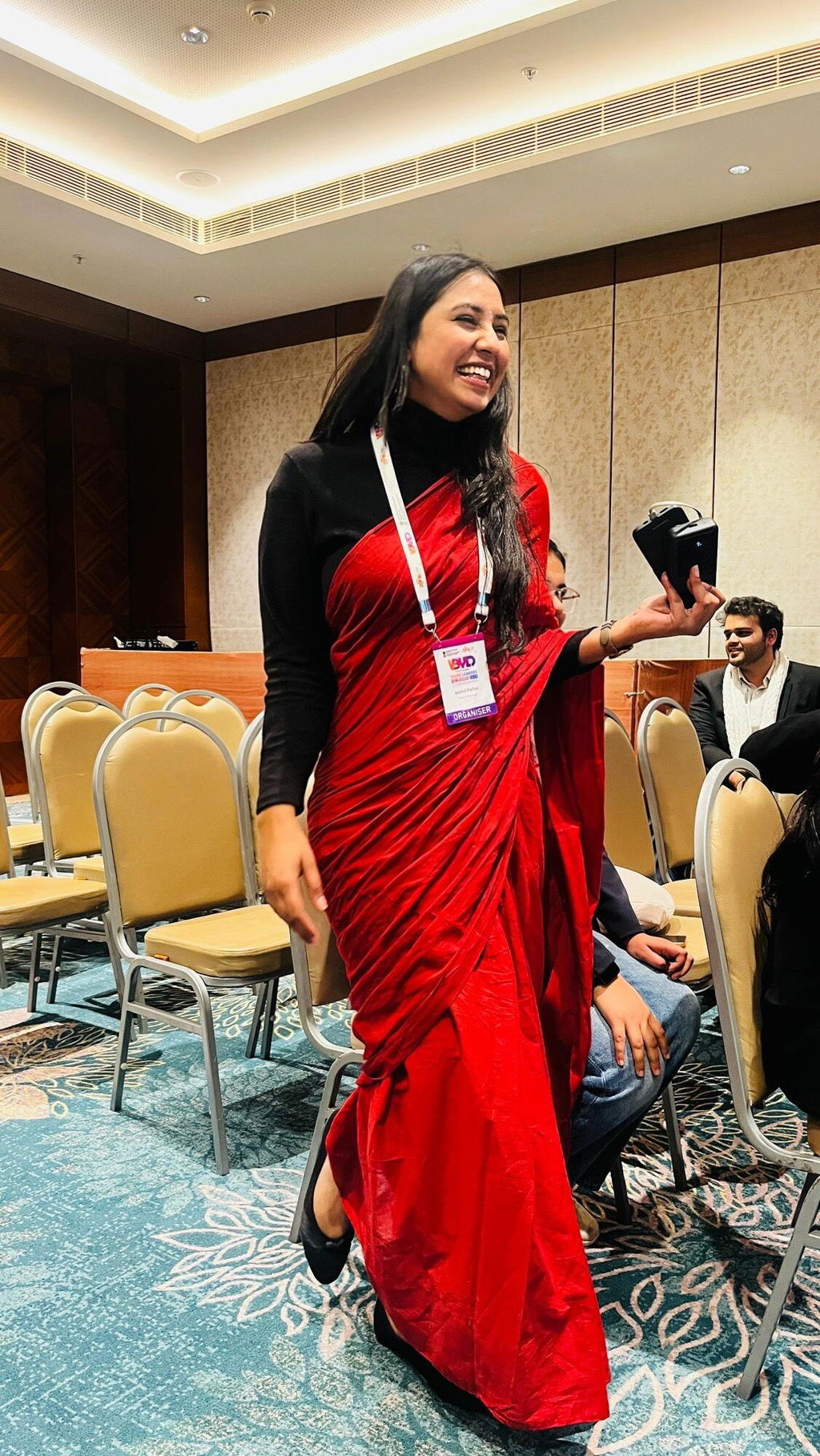
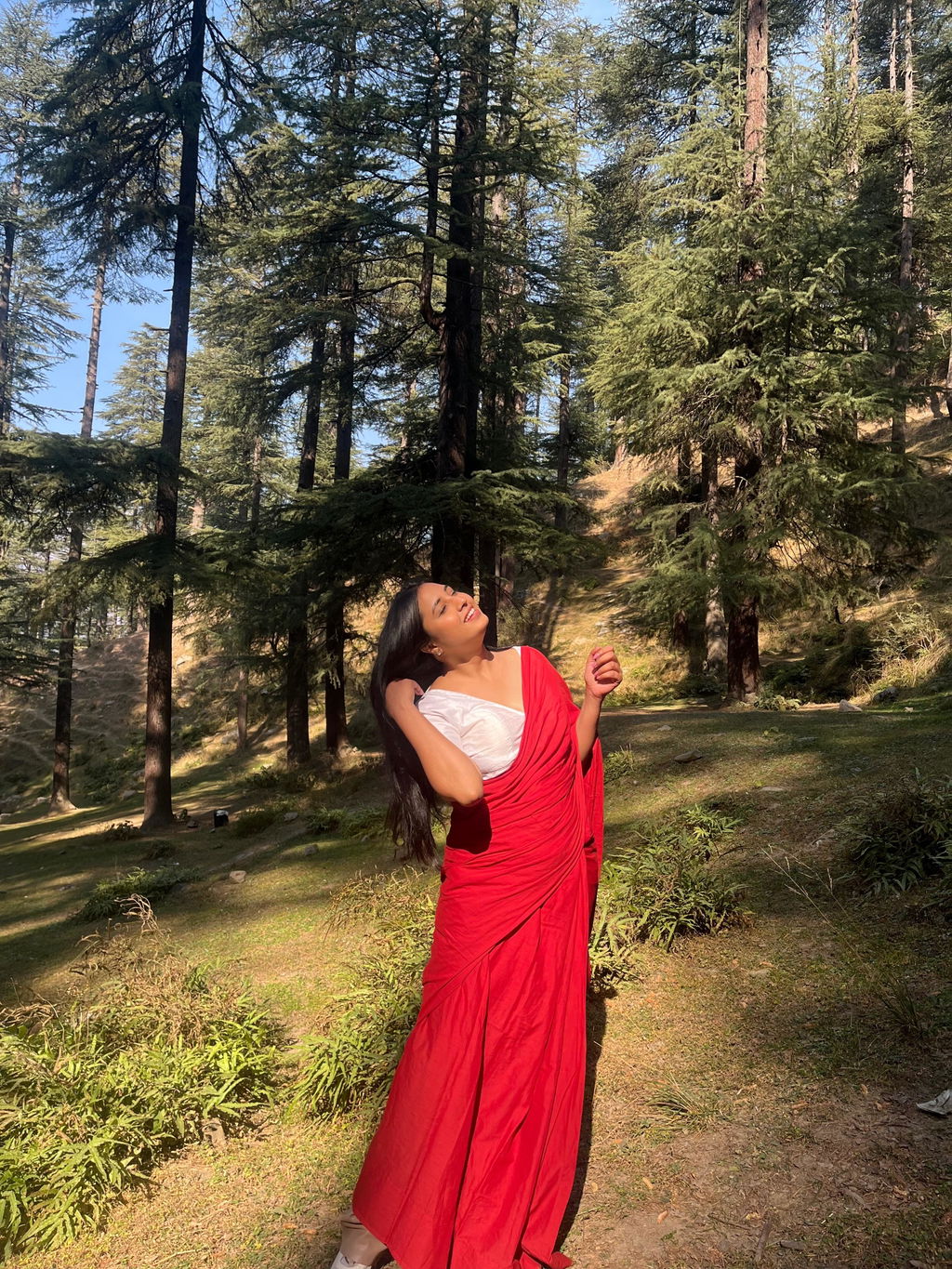
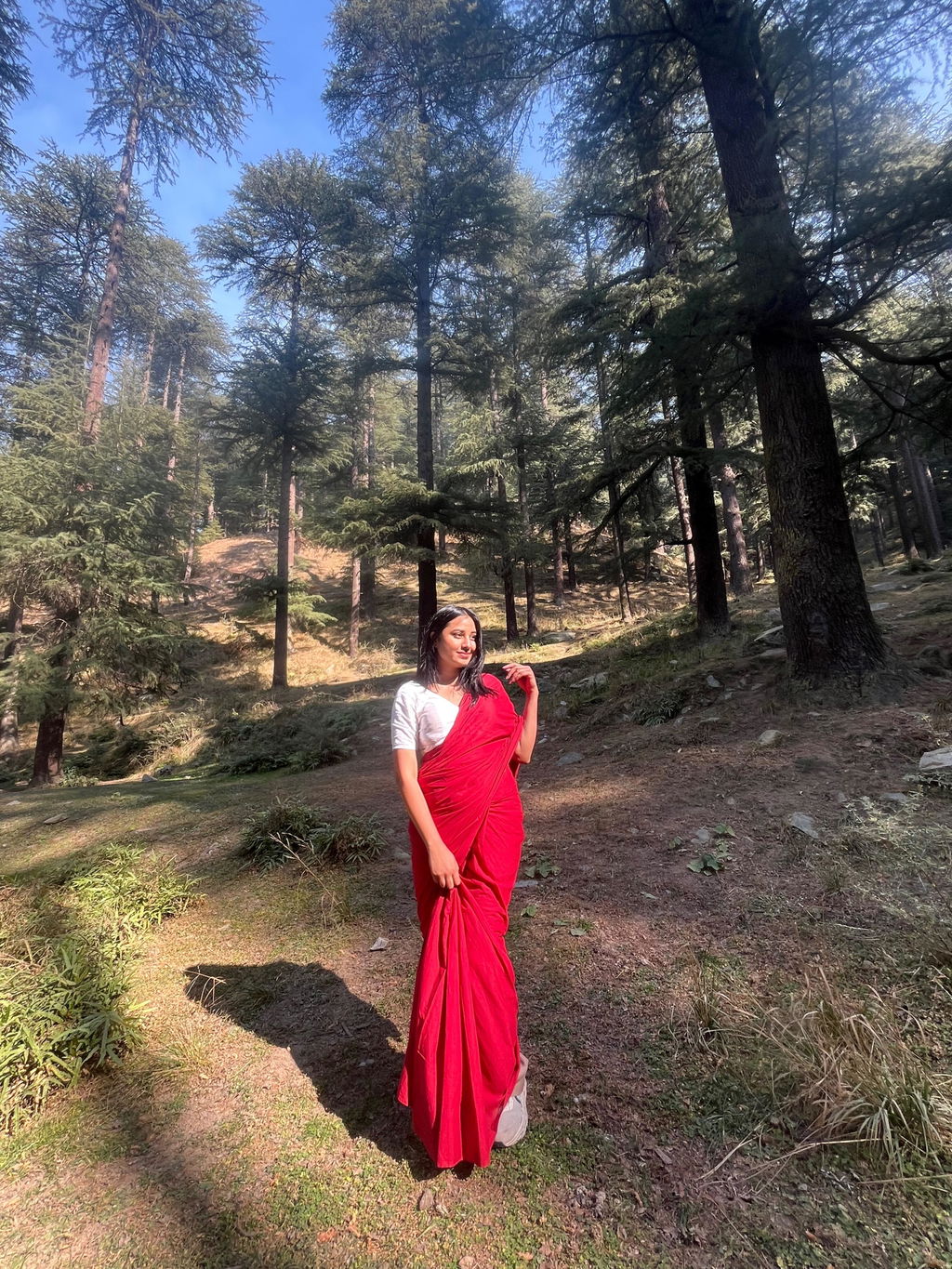
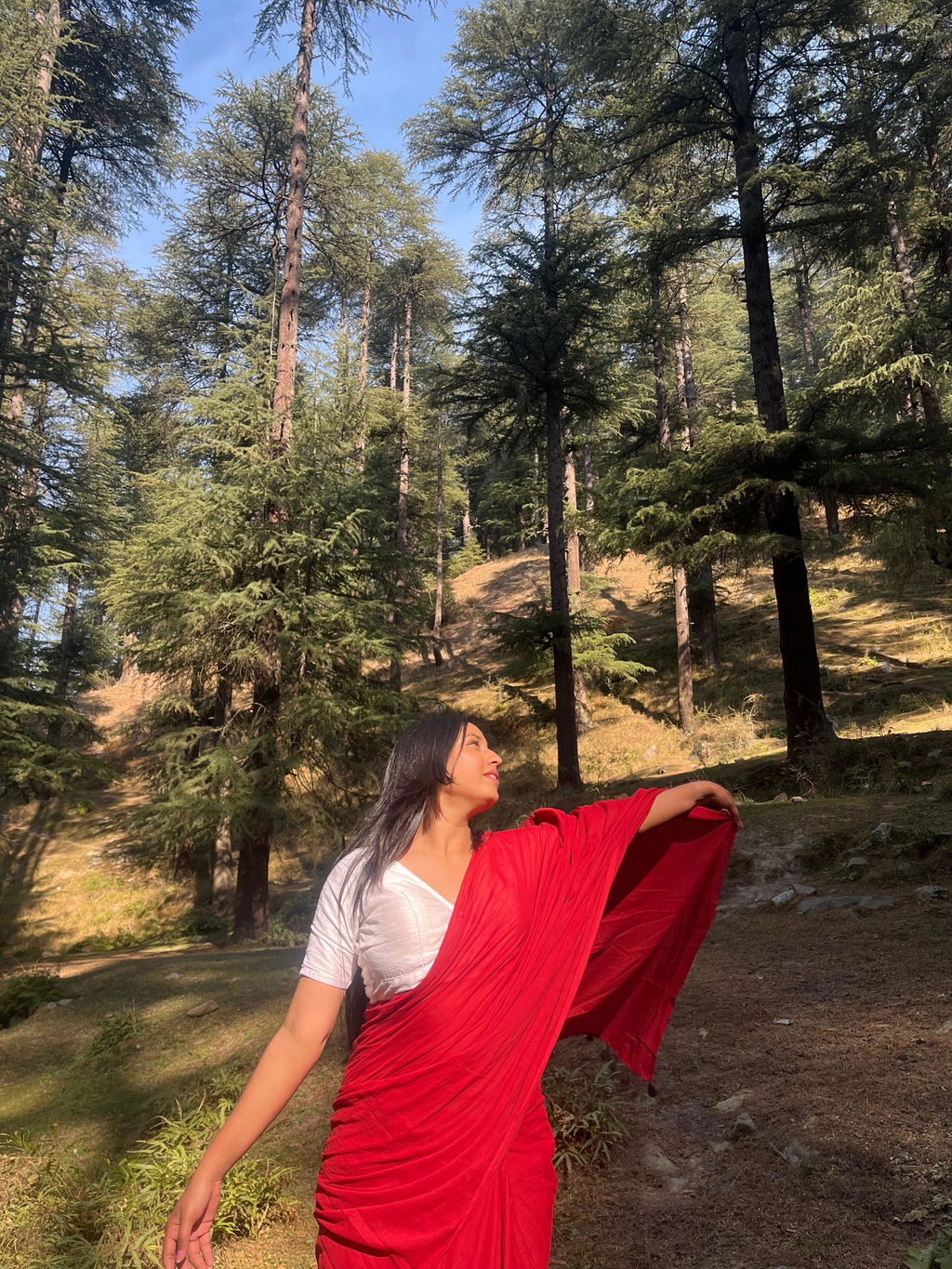
Breathable ready to wear saree at Moora are answering this need in ways traditional luxury never could.
How mulmul helps this shift?
First let us understand what is mulmul

A Bengali woman wearing Dhaka muslin, by Francesco Renaldi
Mulmul dates back to aeons, being finely woven cotton that first originated in Dhakeshwari or Dhaka in Bangladesh, which was then a part of India. Mulmul is a finely woven cotton fabric known for its exceptional softness, breathability, and lightness. Traditionally made from high-quality cotton fibres, mulmul is woven in a way that allows air to pass freely through the fabric. In simpler words, it lets the body breathe.
Historically, mulmul was so fine that it earned poetic names like “woven air”. It was cherished not for its shine or stiffness, but for how effortlessly it settled on the skin. Unlike heavier cottons or treated fabrics, mulmul remains close to its natural state. No artificial stiffness. No harsh finishes. Just cotton, refined to its softest expression.
Why Mulmul Feels Like a Second Skin?
The phrase “second skin” is often used loosely in fashion. With mulmul, it is literal.
1. Ultra-Fine Cotton Fibres
Mulmul is woven using extremely fine cotton yarns. These fibres are thinner than those used in regular cotton fabrics, which is why the fabric feels so light when you touch it. There is no roughness. No graininess. No resistance against the skin.
The fabric bends easily, moves naturally, and settles softly, creating a barely-there sensation. And here at moora we are trying to give you the best of best by working closely with artisans.
2. Loose, Breathable Weave

Unlike dense or tightly woven fabrics, mulmul has a breathable weave. Tiny spaces between the threads allow air to circulate freely. This constant airflow prevents heat from getting trapped between the fabric and the body. It keeps the skin cool, even during long hours of wear. That is why mulmul never feels suffocating.
It never clings.
It never overheats.
3. Lightweight Without Being Fragile
Mulmul may appear delicate at first touch, but it carries quiet strength. When handled with care, it holds its form and comfort beautifully over time. Its softness is not applied or manufactured. It is born from the way the fabric is woven, patiently and thoughtfully.
Because there are no harsh treatments involved, the fabric ages gently. Each wash only deepens its ease, allowing the softness to stay true, season after season. Mulmul does not resist the body or restrict movement. It settles naturally, flowing with you, becoming part of your rhythm rather than interrupting it.
4.Mulmul and Indian Weather: A Natural Match
Mulmul has always understood Indian weather in a way few fabrics do. Light, breathable, and gently woven, it allows air to move freely while absorbing moisture without feeling heavy on the skin. In hot and humid climates, mulmul keeps the body cool by letting heat escape rather than trapping it. It dries quickly, stays soft through long hours, and feels feather-light even in peak summer. This natural compatibility is why mulmul has been worn for generations across India not as a luxury, but as everyday comfort shaped by climate and lived experience.
In humid conditions, synthetic fabrics tend to stick to the body. Mulmul does the opposite. It lifts away from the skin slightly, allowing air to flow. This reduces irritation, discomfort, and that constant need to adjust clothing.
Why Mulmul Is Kind to the Skin?
Mulmul is kind to the skin because it asks very little from the body. Woven from fine cotton fibres and left close to its natural state, the fabric allows the skin to breathe without resistance. It absorbs moisture gently instead of trapping heat, reducing irritation during long hours of wear. There are no heavy finishes, no stiffness, and no harsh treatments that fight the body’s natural rhythm. Mulmul settles lightly, creating a calm layer between skin and air. This is why it feels soothing rather than overwhelming, especially in warm weather, and why it has been trusted for generations as a fabric meant to be worn close and worn often. Skin reacts to fabric more than we realise.
Often, the problem is not the garment. It is the fabric. Moora mulmul are made to solve all this skin problems.
1.Naturally Skin-Friendly

When a blouse is worn close to the skin for long hours, how it feels matters just as much as how it looks. Naturally skin-friendly fabrics like cotton are gentle, breathable, and comfortable, making them ideal for everyday saree wear. They allow air to flow, absorb moisture, and reduce irritation—especially in warm or humid weather. Unlike synthetic materials that can feel restrictive or uncomfortable over time, natural fabrics adapt to the body and soften with wear. A skin-friendly blouse doesn’t distract you during the day or demand constant adjustment. It simply feels right, allowing you to focus on living your day comfortably while staying well dressed.
2.Minimal Processing
Because mulmul does not need heavy treatments, it retains its natural, breathable quality. This reduces the risk of skin discomfort caused by artificial finishes.For generations, mulmul has been used for garments worn closest to the skin.

Image source: fashion history
That trust was not accidental. Mulmul has been everyday wear. It was never meant only for special occasions. It was meant to be lived in.l
3.Effortless Elegance
There is a quiet beauty in mulmul. It does not rely on heaviness or shine. Its elegance comes from how softly it drapes. It looks refined without trying too hard. This is why modern women are returning to mulmul. It fits into fast-paced lives while still feeling rooted and graceful.
The Role of Craft in Breathable Fashion
Breathability is not only about fibre. It is also about how fabric is made. Handwoven and artisan-crafted textiles often retain breathability because they are not overly processed. Their weaves remain open. Their textures remain natural.
In contrast, mass-produced fabrics are frequently treated to add stiffness, shine, or uniformity. These treatments often reduce airflow and compromise comfort.
Artisan-led processes respect the fabric’s original character. They preserve softness and breathability instead of altering it. This is why handcrafted garments often feel more comfortable even when they appear simpler.
Hand-Block Printing on Mulmul

When hand-block printing is done on mulmul, the result is subtle and soulful. The prints do not sit stiffly on the surface. They become part of the fabric. The motifs feel alive, not imposed. Each step—from washing to printing to drying—demands patience and skill. Mulmul rewards this care by holding colour beautifully while retaining softness.
Why Mulmul Fits the Modern Indian Woman
Mulmul fits the modern Indian woman because it understands the rhythm of her life. Her days are layered, often moving between work, travel, family, and moments of pause, all within changing weather and long hours. Mulmul responds to this reality with quiet ease. Its breathable weave keeps the body cool through heat and humidity, while its softness feels gentle even after hours of wear.
It does not restrict movement or demand constant attention. Instead, it adapts, flowing with the body rather than working against it. For a woman who values comfort without giving up grace, mulmul offers a rare balance. It carries tradition without heaviness and simplicity without dullness. In a modern wardrobe shaped by intention and practicality, mulmul becomes more than a fabric. It becomes a daily ally that supports confidence, mobility, and everyday elegance.
Lightness That Builds Confidence

When your clothes do not distract you, confidence comes naturally. Mulmul does not pull at your attention. It frees it. You focus on your day. On your conversations. On your presence. Mulmul as Quiet Luxury Luxury does not always announce itself. Sometimes, it whispers.
It is not about trends. It is about feeling good in what you wear. This shift toward softer, more breathable fabrics reflects a larger movement in fashion. One where ease is no longer secondary. One where fabric quality matters more than spectacle.
Why Mulmul Will Always Matter
Mulmul will always matter because it answers a need that never goes out of style: comfort that feels honest. In every era, women return to fabrics that respect the body and the climate they live in. Mulmul does this naturally. Its light weave allows air to pass through, its softness grows with time, and its presence never overwhelms the wearer. It does not rely on trends or surface appeal. Instead, it offers something deeper and more enduring. Ease. Wearability. Trust. In a world that keeps changing how fashion looks, mulmul remains relevant because it stays focused on how fashion feels. It supports daily life quietly, allowing movement, long hours, and repetition without fatigue. This is why mulmul is not seasonal or situational. It is timeless.
At Moora, mulmul is chosen not just for how it looks, but for how it feels.
Each fabric is selected for:
-
Softness that lasts
-
Breathability that suits Indian weather
-
A drape that feels natural on the body
The focus is not on perfection, but on comfort that feels human.Mulmul at Moora is treated with care by artisans who understand that softness cannot be forced. It must be preserved.
Conclusion: A Fabric That Understands the Body
Mulmul is not chosen for the way it looks on a hanger. It is chosen for the way it feels once worn.
In a world that moves quickly and demands more from us every day, mulmul offers quiet relief. It does not weigh the body down or ask for constant adjustment. It allows movement. It allows breath. It allows ease.
This is why mulmul has remained close to Indian lives for centuries. Not because it followed trends, but because it understood comfort long before fashion began to speak about it. Its softness is not manufactured. Its lightness is not forced. It comes from patience, fine weaving, and respect for the wearer.
At Moora, mulmul is valued as more than a fabric. It is treated as a companion to everyday life. Each piece is shaped with care, handled gently by artisans, and finished in a way that preserves its natural softness. The goal is not perfection, but wearability. Not stiffness, but flow.Perfect. Frequently Asked Questions About Mulmul Fabric
Frequently Asked Question
1.What is mulmul fabric made of?
Mulmul fabric is made from very fine, high-quality cotton fibres. These fibres are spun into ultra-thin yarns and woven lightly, creating a fabric that feels soft, breathable, and gentle on the skin. Because it is made from natural cotton, mulmul remains light, airy, and comfortable even during long hours of wear.
2.Why does mulmul fabric feel like a second skin?
Mulmul feels like a second skin because of its fine yarns, loose weave, and natural softness. The fabric settles easily on the body without stiffness or weight. It moves with you instead of restricting movement, making it feel almost invisible once worn.
3.Why does mulmul fabric feel so soft?
The softness of mulmul comes from the fineness of its cotton fibres and the way it is woven. Unlike many fabrics, mulmul does not depend on chemical softeners. Its softness is natural and improves with time, becoming even gentler after repeated wear and washing.
4.Is mulmul fabric good for Indian summers?
Yes, mulmul fabric is ideal for Indian summers. Its breathable weave allows air to circulate freely, helping the body stay cool. It absorbs moisture instead of trapping heat, making it comfortable even in hot and humid weather.
5.Is mulmul fabric skin-friendly for sensitive skin?
Mulmul is naturally skin-friendly and suitable for sensitive skin. It is gentle, breathable, and usually free from harsh chemical treatments. This reduces irritation, itching, and discomfort, especially during long hours of wear.
6.Does mulmul fabric stick to the body in humidity?
No, mulmul fabric does not cling to the body. Its airy structure allows moisture to evaporate quickly, preventing stickiness and helping the fabric stay light and comfortable in humid conditions.
7.Is mulmul fabric suitable for everyday wear?
Yes, mulmul is perfect for everyday wear. It is lightweight, easy to manage, and comfortable enough for long workdays, travel, and daily routines. Its soft drape makes it practical without compromising elegance.
8.Is mulmul fabric durable despite being lightweight?
Mulmul feels delicate but is durable when cared for properly. Gentle washing and mindful handling help maintain its strength and softness. Over time, the fabric retains its comfort while becoming even more supple.
9.How is mulmul different from regular cotton fabric?
Mulmul differs from regular cotton in its yarn quality and weave. It uses much finer cotton threads and a looser weave, which makes it softer, lighter, and more breathable than standard cotton fabrics.
10.Why is mulmul fabric often called ‘woven air’?
Mulmul earned the name “woven air” because of its extremely light texture and airy feel. When worn, it feels almost weightless, creating a sensation similar to air resting gently on the skin.
11.Is mulmul fabric a sustainable choice?
Mulmul is made from natural cotton and requires minimal processing. Its long lifespan, breathability, and comfort make it a more conscious alternative to synthetic fabrics, especially for everyday wear.

