



How Ready-to-Wear Sarees Fit Into Slow Fashion and Thoughtful Dressing
For decades, fashion moved at a relentless pace. New collections arrived faster than wardrobes could absorb them. Clothing was designed to impress briefly, photograph well, and then quietly fade into the background of closets. In this environment, garments that demanded time, care, or repeat wear were slowly pushed aside. Today, that pace is being questioned. More women are stepping back and asking quieter but more important questions. How often will I actually wear this? Will it still feel right a year from now? Does this garment support my life, or does it demand effort from me?
This shift in thinking is at the heart of slow fashion and thoughtful dressing, and it is precisely why ready-to-wear sarees are finding renewed relevance. Not as a shortcut, not as a trend, but as a design response to how women want to dress today.
Understanding Slow Fashion Beyond Sustainability

Slow fashion is often reduced to conversations around sustainability, eco-friendly fabrics, or ethical sourcing. While these are important, slow fashion is equally about how clothing fits into daily life. It is about longevity, usability, emotional connection, and ease. A slow-fashion garment is not defined only by how it is made, but by how often it is worn and how long it remains relevant. Clothes that sit unused, regardless of how sustainably they were produced, still contribute to waste. In contrast, garments that are worn repeatedly, across seasons and situations, naturally reduce overconsumption.
Ready-to-wear sarees fit into this philosophy not because they simplify tradition, but because they make sarees more wearable, more repeatable, and more integrated into everyday life.
The Saree as a Slow-Fashion Garment
The saree has always been one of the most sustainable garments in Indian wardrobes. A single piece of fabric that can be worn in multiple ways, adapted to different bodies, and passed down across generations is, by nature, slow fashion.
However, modern lifestyles introduced friction into saree wearing. Draping time, dependency on assistance, discomfort over long hours, and fear of wardrobe malfunctions turned the saree into an “occasion-only” garment for many women. This limited its use and reduced its relevance in daily dressing. Ready-to-wear sarees address this gap. They preserve the essence of the saree while adapting it to contemporary needs. By reducing effort without removing meaning, they allow sarees to return to regular use, which is central to slow fashion principles.
Why Thoughtful Dressing Matters Today

Thoughtful dressing is about intention. It is the practice of choosing clothes that align with your body, your schedule, and your values rather than external expectations. In thoughtful wardrobes, fewer garments do more work. Clothing is chosen not for novelty, but for how it feels over time. This mindset values comfort, fit, and versatility over excess.
Ready-to-wear sarees support thoughtful dressing by reducing decision fatigue. When a saree is easy to wear, predictable in fit, and comfortable across hours, it becomes a garment you reach for instinctively. That instinctive wear is what transforms clothing from “special” to “essential.”
How Ready-to-Wear Sarees Encourage Repeat Wear

One of the biggest challenges in slow fashion is encouraging repeat wear. Many garments are purchased with good intentions but worn only once or twice due to discomfort or inconvenience. Ready-to-wear sarees remove many of the barriers that prevent repeat use. Pre-stitched pleats, secure drapes, and stable waist fittings eliminate the need for constant adjustments. This reliability allows women to wear sarees confidently through long days without worry. When a saree becomes easy to put on and easy to move in, it naturally enters rotation. This frequency of use increases its value over time and aligns perfectly with slow fashion ideals.
The Role of Ready-to-Wear Design in Reducing Waste
Fast fashion thrives on disposability. Clothes are designed to be replaced quickly. Ready-to-wear sarees, when designed thoughtfully, resist this cycle. Because they are not trend-dependent and are built around classic silhouettes, ready-to-wear sarees do not age quickly. Their relevance is rooted in function rather than novelty. This encourages longer ownership and reduces the urge to constantly buy new garments.
Additionally, when sarees are worn more often, fewer garments are needed overall. This reduction in volume directly contributes to lower environmental impact, even without overt sustainability claims.
Fit, Comfort, and the Ethics of Wearability

Slow fashion is incomplete without comfort. Clothing that causes discomfort, restricts movement, or demands constant adjustment places a burden on the wearer. In this sense, wearability becomes an ethical concern.
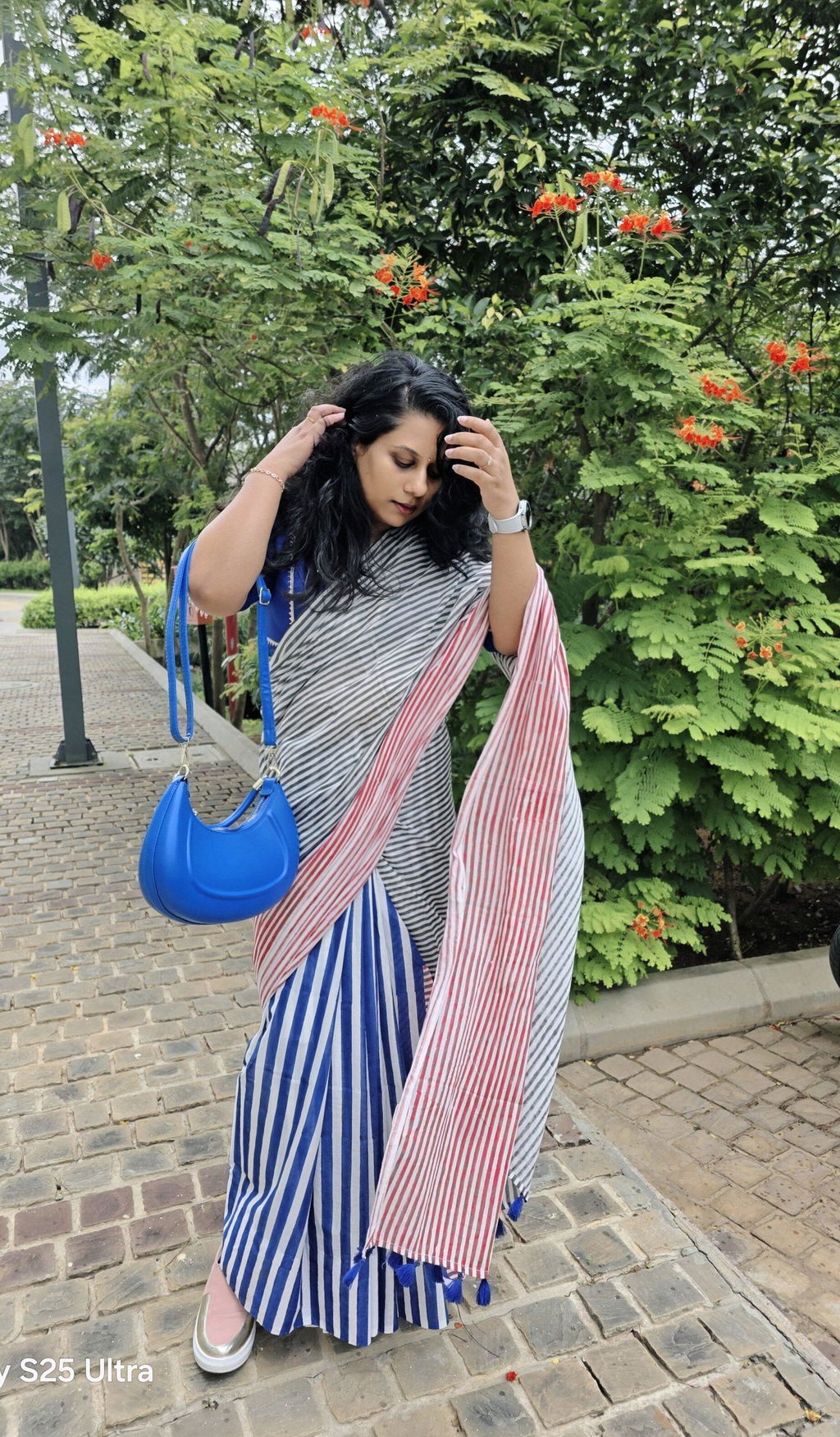
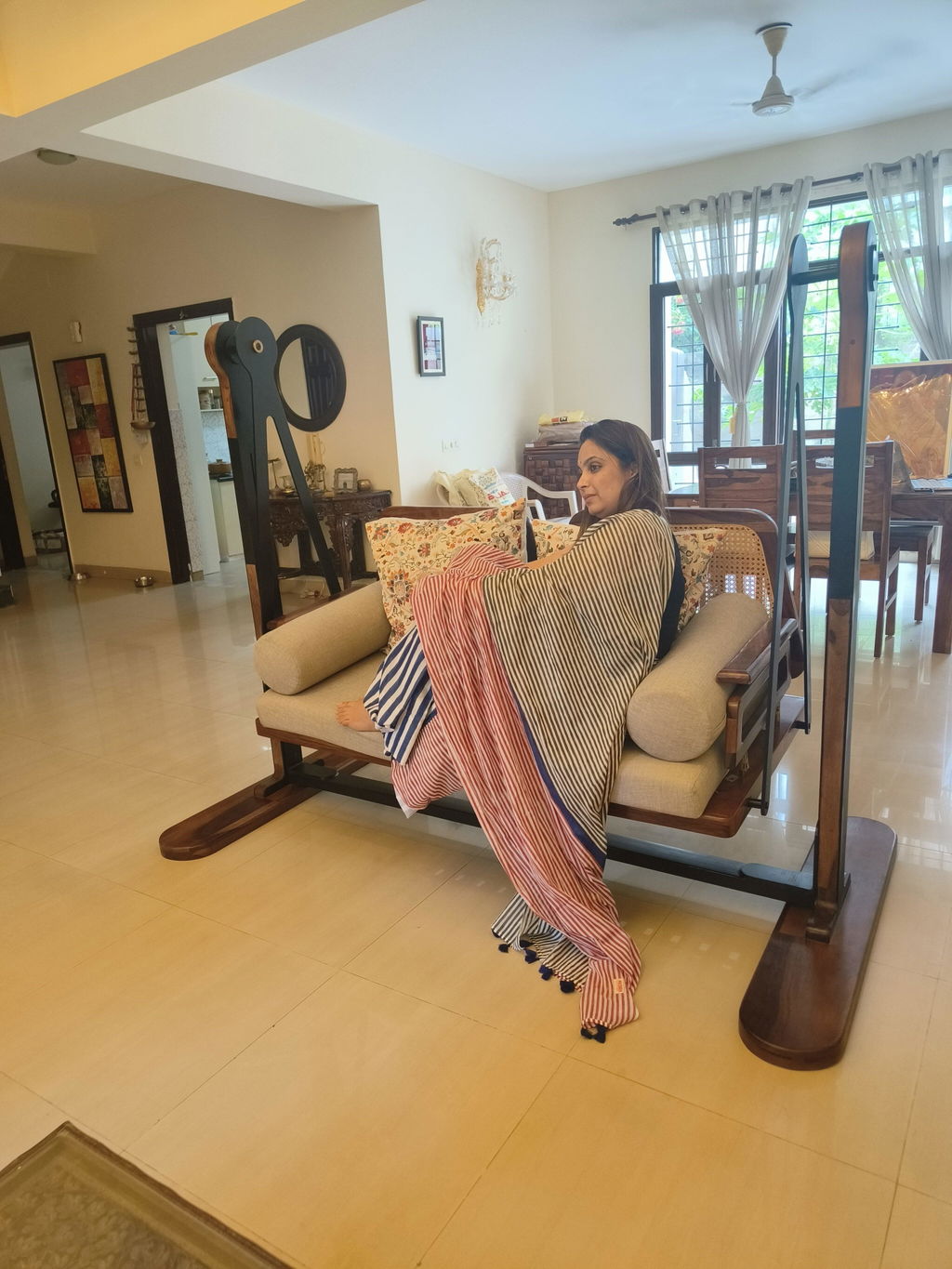
Ready-to-wear sarees are designed with wearability at the centre. Secure pleats, balanced lengths, and predictable fits allow the garment to support the wearer rather than the other way around. This shift respects the body and acknowledges that clothing should adapt to real movement. Thoughtful dressing prioritises how clothes feel across hours, not how they look in a single moment.
Time as a Luxury: Why Ease Matters

In modern life, time is one of the most valuable resources. Clothing that consumes time through complicated processes or constant maintenance quietly adds stress to daily routines. Ready-to-wear sarees offer a form of time luxury. They reduce preparation time without sacrificing identity or cultural expression. This efficiency does not diminish the saree’s value; it enhances it by making it accessible within busy schedules. Slow fashion is not about slowing life down artificially. It is about removing unnecessary friction. Ready-to-wear sarees do exactly that.
The Emotional Longevity of Ready-to-Wear Sarees
Clothing that is worn often develops emotional significance. It becomes associated with memories, routines, and moments rather than events alone. Ready-to-wear sarees, because of their ease, are more likely to be worn across ordinary days. These ordinary days are where life unfolds. Over time, the saree becomes familiar, trusted, and comforting. This emotional durability is a core principle of thoughtful dressing. Garments that feel emotionally grounding are far less likely to be discarded.
Moving Away from Occasion-Coded Dressing

One of the quiet shifts happening in fashion is the move away from rigid occasion coding. Women no longer want separate wardrobes for work, socialising, and daily life. They want garments that can transition fluidly.
Ready-to-wear sarees support this transition. With minimal styling changes, the same saree can move from a daytime setting to an evening gathering. This adaptability reduces the need for multiple outfits and encourages mindful ownership. Slow fashion thrives when garments can serve multiple roles without losing relevance.
Ready-to-Wear Sarees and the Future of Indian Wear
Indian wear is often caught between preservation and innovation. Ready-to-wear sarees demonstrate that the two do not have to be opposites. By respecting the saree’s form while updating its functionality, ready-to-wear designs ensure that traditional garments remain part of modern wardrobes. This continuity is essential for cultural sustainability. Thoughtful dressing does not reject tradition. It reshapes it to fit contemporary life.

A thoughtful wardrobe is built gradually. It prioritises pieces that work across time rather than moments. Ready-to-wear sarees serve as strong foundations in such wardrobes. Their reliability reduces the need for impulse purchases. Their comfort encourages regular wear. Their timelessness allows them to coexist with evolving personal styles. When sarees are easy to wear, they stop being “special items” and start becoming part of everyday identity.
Why Ready-to-Wear Sarees Are Not a Trend
Trends peak and fade because they are designed around novelty. Ready-to-wear sarees are designed around use. Their relevance comes from solving real problems: time, comfort, confidence, and independence. These needs are not temporary. As long as women seek clothing that supports rather than constrains them, ready-to-wear sarees will remain relevant. This is what places them firmly within the slow fashion movement.
A Final Reflection on Thoughtful Dressing
Thoughtful dressing is not about perfection. It is about awareness. It asks us to notice how clothes make us feel, how often we wear them, and whether they truly belong in our lives. Ready-to-wear sarees fit naturally into this way of thinking. They honour tradition while respecting modern realities. They allow sarees to be worn often, comfortably, and confidently.
In doing so, they transform the saree from a ceremonial garment into a lived-in one. And that transformation is not just fashionable. It is meaningful.
Frequently Asked Questions
Q1: What does slow fashion really mean in the context of Indian wear?
Slow fashion in Indian wear goes beyond fabric or sourcing. It focuses on how often a garment is worn, how long it remains relevant, and whether it supports the wearer’s lifestyle. In this context, sarees naturally align with slow fashion because they are timeless, versatile, and durable. Ready-to-wear sarees enhance this by making sarees easier to wear regularly, which increases their real-life usage and reduces overconsumption.
Q2: How are ready-to-wear sarees different from traditional sarees?
Traditional sarees require manual draping, assistance, and time, which can make them less practical for daily wear. Ready-to-wear sarees retain the saree’s form and drape but come with pre-stitched pleats and secure structures that simplify wearing. This difference does not reduce cultural value; instead, it adapts the saree to modern routines while preserving its essence.
Q3: Do ready-to-wear sarees fit into the idea of thoughtful dressing?
Yes. Thoughtful dressing is about choosing clothes that align with your time, comfort, and values. Ready-to-wear sarees reduce effort, uncertainty, and dependency, making saree-wearing a conscious and repeatable choice rather than an occasional one. This intentional use is central to thoughtful dressing.
Q4: Are ready-to-wear sarees considered sustainable?
Ready-to-wear sarees contribute to sustainability through usability rather than claims. When a saree is easy to wear and comfortable, it gets worn more often. Higher wear frequency reduces the need for frequent purchases, which lowers overall consumption. Sustainability is not just about how a garment is made, but how long and how often it is used.
Q5: Can ready-to-wear sarees be worn frequently without losing their appeal?
Yes. Ready-to-wear sarees are designed for repeat use. Their silhouettes are usually timeless rather than trend-driven, which allows them to stay relevant across seasons. When paired with different blouses or accessories, the same saree can be styled in multiple ways, extending its lifespan in a wardrobe.
Q6: How do ready-to-wear sarees help reduce wardrobe clutter?
Because ready-to-wear sarees are versatile and easy to style, they replace the need for multiple occasion-specific outfits. One well-designed saree can serve for work, casual gatherings, or daytime events with minor styling changes. This reduces the number of garments needed overall and supports a more intentional wardrobe.
Q7: Are ready-to-wear sarees suitable for everyday wear?
Yes, many ready-to-wear sarees are specifically designed for everyday comfort. Lightweight fabrics, secure draping, and predictable fits make them practical for long hours. They eliminate common saree concerns such as slipping pleats or constant adjustments, which makes daily wear more manageable.
Q8: Do ready-to-wear sarees compromise on the traditional look of a saree?
No. A well-designed ready-to-wear saree preserves the visual language of a traditional saree. The difference lies in construction, not appearance. From the outside, a ready-to-wear saree looks like a traditionally draped saree, but it offers greater ease and confidence to the wearer.
Q9: How do ready-to-wear sarees support modern, independent lifestyles?
Ready-to-wear sarees allow women to dress independently without relying on assistance for draping or adjustments. This autonomy is especially important in fast-paced lives where time and flexibility matter. Clothing that supports independence aligns strongly with thoughtful dressing values.
Q10: Can ready-to-wear sarees be part of a capsule wardrobe?
Yes. Ready-to-wear sarees work exceptionally well in capsule wardrobes because they are versatile, timeless, and functional. A small number of well-chosen sarees paired with interchangeable blouses can create multiple looks without excessive purchases.
Q11: Are ready-to-wear sarees appropriate for work or professional settings?
Ready-to-wear sarees can be very suitable for professional environments, especially when designed in subtle colours and breathable fabrics. Their secure fit and comfort make them ideal for long workdays, while their appearance remains polished and composed.
Q12: How do ready-to-wear sarees encourage mindful consumption?
By making sarees easier to wear and re-wear, ready-to-wear designs encourage people to buy fewer but better garments. When clothing fits seamlessly into daily life, it is valued more and replaced less often. This mindset is central to mindful consumption.
Q13: Are ready-to-wear sarees a long-term shift or just a trend?
Ready-to-wear sarees represent a long-term shift driven by lifestyle changes rather than fashion cycles. As long as women value comfort, ease, and intentional dressing, ready-to-wear sarees will continue to hold relevance. They solve practical problems that are not temporary.
Q14: How do ready-to-wear sarees fit into cultural preservation?
Rather than diluting tradition, ready-to-wear sarees help preserve it by making saree-wearing accessible to more women. When garments evolve to suit modern life, they remain worn and valued instead of becoming ceremonial or obsolete.
Q15: What role does emotional connection play in slow fashion dressing?
Emotional connection forms when garments are worn often and comfortably. Ready-to-wear sarees, because they are easy and reliable, are more likely to be part of daily life. This repeated wear builds familiarity and attachment, which reduces disposability and strengthens slow fashion principles.
Q16: How should someone start incorporating ready-to-wear sarees into a thoughtful wardrobe?
The best approach is to start small. Choose one or two ready-to-wear sarees in versatile colours and fabrics that suit your routine. Pair them with comfortable blouses that work across occasions. Over time, these pieces naturally integrate into daily wear, making dressing simpler and more intentional.

