
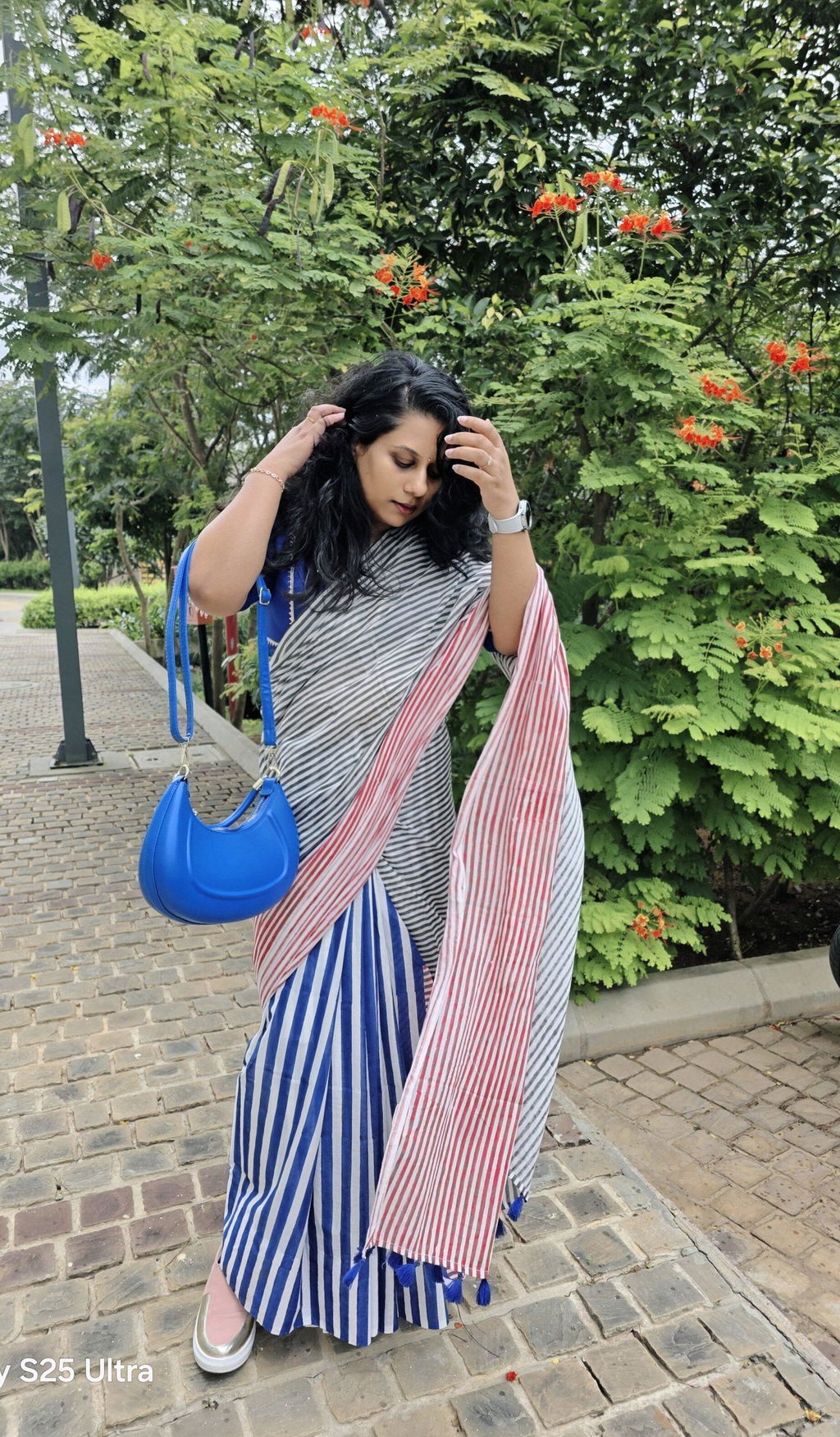
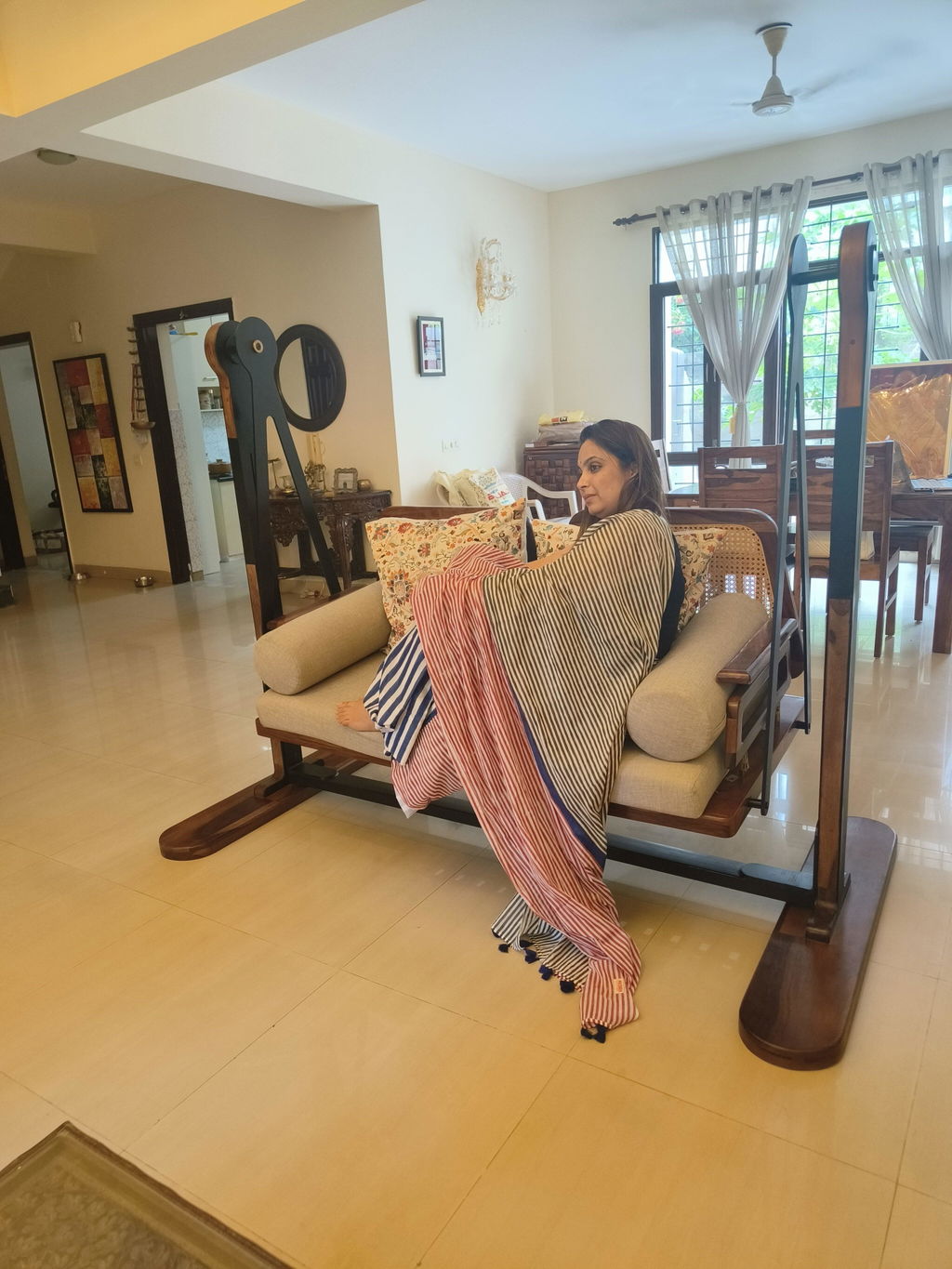



Sanganeri Print vs Bagru Print: Key Differences You Should Know

Image source : pinterest
Have you ever thought of Jaipur and pictured its iconic prints, yet paused to wonder where they come from and what truly sets them apart?
Long before slow fashion became a global conversation, Jaipur was already living it. What the world today calls sustainability, Jaipur has quietly honoured for centuries. Well Jaipur is often remembered for its forts, palaces, and the soft pink glow that washes over the city at sunrise. But beyond its architecture and royal history, Jaipur is also a living, breathing museum of craftsmanship, a place where traditional textile arts are not preserved behind glass displays, but practiced daily by skilled artisans who have inherited these techniques across generations. Among the most cherished of these traditions is hand block printing, an age-old craft where wooden blocks are carved by hand, dipped into natural or pigment-based dyes, and pressed carefully onto fabric, one impression at a time. This process has travelled across centuries, beginning in royal patronage and local communities, before eventually reaching global fashion houses and modern wardrobes around the world. Within Rajasthan, two printing traditions stand apart as icons of identity and artistry:
Sanganeri Print
and
Bagru Print
Both are proudly recognised as Jaipuri prints, both rely on the same foundation of wooden block carving, natural dye processes, traditional washing and drying techniques, and the unmatched skill of master artisans. Yet, when you look closely, they appear and feel completely different.
So what truly separates Sanganeri from Bagru?
How did both evolve within the same cultural ecosystem, yet develop such distinct personalities? To understand that, we need to step inside Rajasthan’s textile heartland into villages, workshops, courtyards, and dyeing pits where fabric is still washed in rivers, dried under open skies, and stamped patiently by hand. This is a world of slow fashion long before the term existed, thoughtful, soulful, imperfect in the most human way, and stitched with stories that continue to live through every saree, dupatta, and garment created here.
What Is Jaipuri Block Printing?

Jaipuri print refers to the traditional hand block printing craft rooted in and around Jaipur, especially in textile clusters like Sanganer, Bagru, Kaladera, and Akola. Here, skilled artisans carve intricate motifs onto wooden blocks, dip them into natural or azo-free dyes, and press them onto fabric by hand layer by layer, colour by colour. Every print bears the mark of human touch, which is why no two pieces are ever truly identical. That is the real charm of Jaipur printing. Over time, two distinct styles became globally recognised: the fine, floral delicacy of Sanganeri print and the earthy, rustic boldness of Bagru print. They belong to the same craft family yet carry completely different souls.
Sanganeri Print;Light, Graceful & Floral

Sanganeri print is light, graceful, and deeply floral in character. It originated in Sanganer, a historic town near Jaipur, and flourished during the Mughal era, when royalty encouraged artisans to create fine, delicate floral prints on soft cotton fabrics. Because Sanganer lay along major trade routes, these textiles soon began travelling far beyond Rajasthan finding their way into royal wardrobes and European markets alike. What makes Sanganeri printing instantly recognisable is its poetic softness: finely carved floral motifs such as buti, bel, and jaal, printed in natural, gentle colours on pastel or ivory-toned bases. The fabrics are usually lightweight cotton, making the drape feel airy and soothing. Shades like cream, blush pink, lemon yellow, and other pastels add to its feminine, breezy charm. This is why Sanganeri sarees and kurtas are especially loved in summer, they feel almost feather-light, and calming.
Technique
Sanganeri printing is known for its refined technique and precision craftsmanship. It is usually done using direct block printing, where colour is applied directly onto the fabric without any resist process. Artisans carve extremely fine and detailed motifs onto wooden blocks, which are then dipped into natural dyes or carefully prepared pigments. Each block is pressed by hand, requiring a steady hand and a trained eye to ensure alignment, consistency, and clarity of design.
Because the motifs are delicate and closely spaced, the printing demands great control and patience. The result is clean, fine lines and softly layered patterns that feel light and balanced. Nothing about Sanganeri print is loud or heavy the beauty lies in its gentleness, subtlety, and the quiet elegance created through precision.
Bagru Print ; Earthy, Bold & Rooted

It takes its name from Bagru village, located about 30 kilometres from Jaipur, and is practised by the Chhipa community artisans who have preserved natural dyeing and mud-resist techniques for generations. Unlike refined courtly styles, Bagru printing carries a strong rural identity, shaped by the rhythms of the land and closely tied to earth, water, sunlight, and seasonal cycles. Its signature look is grounded and soulful, marked by bold motifs, geometric and folk-inspired blocks, and a raw, handcrafted texture that celebrates imperfection. One of its defining techniques is Dabu, a mud-resist process that allows patterns to emerge organically during dyeing. The colour palette is drawn from plants, minerals, and natural elements, resulting in rich shades of indigo, rust, maroon, brown, and deep red. These earthy tones give Bagru prints their warm, organic character textiles that feel alive, honest, and deeply connected to the soil they come from.
Technique
It primarily uses vegetable dyes derived from plants, minerals, and natural sources, which give the fabric its distinctive earthy palette. Before printing, the cloth is often treated with Harda, a natural mordant made from myrobalan fruit, which helps the fabric absorb colour evenly and enhances the richness of the dyes.
One of the most defining elements of Bagru printing is the Dabu mud-resist technique. In this process, a paste made from natural clay, lime, gum, and wheat chaff is applied to the fabric using hand-carved wooden blocks. Once the mud paste dries, the fabric is dyed, and the areas covered in mud resist the colour. After washing off the dried mud, beautiful patterns emerge organically. This resist-dyeing process is often repeated in layers, creating depth, variation, and texture in the design.
Because of these layered techniques and natural materials, Bagru prints have a rustic, handcrafted look authentic, imperfect, and rich with character. The final fabric feels alive, carrying the marks of earth, water, and human touch in every print.
Sanganeri vs Bagru…The Real Differences
|
Aspect |
Sanganeri Print |
Bagru Print |
|
Place of Origin |
Sanganer town, near Jaipur |
Bagru village, about 30 km from Jaipur |
|
Cultural Roots |
Flourished under Mughal and royal patronage |
Rooted in rural life and the Chhipa artisan community |
|
Primary Technique |
Direct hand block printing |
Mud-resist printing (Dabu) and direct printing |
|
Dye Type |
Natural dyes or pigments |
Vegetable dyes derived from plants, minerals, and mud |
|
Fabric Treatment |
Usually printed directly on prepared fabric |
Fabric treated with Harda (myrobalan) for colour absorption |
|
Motifs & Patterns |
Fine florals, buti, bel, jaal, paisleys |
Bold florals, geometric shapes, folk and tribal motifs |
|
Design Style |
Delicate, detailed, and refined |
Bold, rhythmic, and expressive |
|
Line Work |
Very fine, precise lines |
Thicker, stronger lines |
|
Base Fabric Colour |
Light bases like white, cream, pastel shades |
Darker, earthy bases like beige, indigo, brown |
|
Colour Palette |
Soft pastels, gentle tones, airy hues |
Earthy shades like indigo, rust, maroon, brown, deep red |
|
Texture & Finish |
Smooth, clean, and polished |
Textured, layered, and rustic |
|
Printing Process |
Single or limited colour layering |
Multiple layers of resist and dyeing |
|
Overall Feel |
Light, breezy, feminine |
Grounded, raw, organic |
|
Seasonal Preference |
Ideal for summer and warm climates |
Suitable for all seasons, especially cooler months |
|
Common Uses Today |
Summer sarees, kurtas, daily wear |
Sarees, dupattas, artisanal and statement pieces |
|
Visual Identity |
Elegant, subtle, understated |
Strong, earthy, handcrafted |
Which One Should You Choose?
Choosing between Sanganeri and Bagru print really comes down to your personal style and how you like your clothes to feel. If you’re drawn to soft colours, delicate floral patterns, and a sense of light, romantic elegance, Sanganeri print may be your perfect match. Its fine craftsmanship and airy cotton fabrics make it ideal for summer sarees, everyday kurtas, resort wear, brunch outings, and minimalist styling that feels graceful without effort. Sanganeri pieces are soothing to wear and beautifully understated, making them perfect for warm days and relaxed moments.

On the other hand, if you love earthy tones, rich craft stories, and bold hand-block prints that make a statement, Bagru print might speak to you more. Known for its rustic charm and deep connection to traditional techniques, Bagru prints are perfect for travel wear, sarees with strong character, handloom wardrobes, and cooler-season cottons. They suit women who appreciate artisanal textures, layered patterns, and boho-inspired styling that feels grounded and expressive. Both prints are deeply rooted in Jaipur’s heritage the choice simply reflects whether you prefer quiet elegance or soulful boldness.
Why Both Are Called Jaipuri Prints
Both Sanganeri and Bagru prints are called Jaipuri prints because they originate from the region in and around Jaipur, which has been a historic centre of hand block printing for centuries. The craft developed under royal patronage and flourished across nearby towns and villages where skilled artisan communities settled and passed the knowledge through generations.
While Sanganer and Bagru are separate villages with distinct techniques, styles, and visual identities, they belong to the same cultural and geographical ecosystem of Jaipur’s textile heritage. The availability of water, natural dyes, skilled block carvers, and trading routes allowed these crafts to grow side by side, each evolving its own character while sharing common roots.
Why These Prints Are Still in Trend Today

Image source : Vogue
Sanganeri and Bagru prints continue to stay relevant because they offer something modern fashion often forgets authenticity, comfort, and timeless design. In a world driven by fast trends, these hand block prints stand out for their slow, thoughtful craftsmanship and human touch. Each piece carries subtle imperfections that make it unique, something mass-produced fabrics can never replicate.
Today’s women are choosing clothes that feel real and wearable, and both Sanganeri and Bagru fit naturally into this shift. Sanganeri prints, with their soft florals and airy cotton bases, align perfectly with the growing love for breathable, minimalist, and summer-friendly clothing. Bagru prints, with their earthy tones and bold patterns, resonate with those drawn to sustainable fashion, natural dyes, and craft-led wardrobes.
Most importantly, these prints adapt beautifully to modern styling. They move easily from traditional sarees to contemporary silhouettes, workwear to travel wear, festive dressing to everyday comfort. Rooted in heritage yet effortless to wear, Sanganeri and Bagru prints remain in trend not because they change but because they don’t have to.
Frequently Asked Questions: Sanganeri vs Bagru Prints
Q1. Are Sanganeri and Bagru prints both considered Jaipuri prints?
Yes, both Sanganeri and Bagru prints fall under the larger umbrella of Jaipuri hand block printing. They originate from towns located around Jaipur and share the same historical ecosystem of artisans, wooden block carving, natural dyeing, and hand-printing traditions. While each style has its own distinct identity, technique, and visual language, both are deeply rooted in Jaipur’s centuries-old textile heritage.
Q2. What is the main difference between Sanganeri and Bagru prints?
The key difference lies in their aesthetic, technique, and colour palette.
Sanganeri prints are known for fine floral motifs, delicate detailing, light backgrounds, and pastel or soft hues.
Bagru prints, on the other hand, are bold and earthy, often featuring geometric or folk-inspired patterns, darker base colours, and rustic textures created using natural dyes and resist techniques like Dabu. Simply put, Sanganeri feels light and refined, while Bagru feels grounded and expressive.
Q3. Which is older Sanganeri or Bagru print?
Both crafts are centuries old and have evolved over generations. However, Bagru printing is believed to be one of the earliest community-led printing traditions in Rajasthan, deeply tied to rural life and natural dyeing processes. Sanganeri printing later flourished under royal and Mughal patronage, developing a more refined and decorative aesthetic suited to courtly and trade demands.
Q4. Are Bagru prints always natural-dyed?
Traditionally, yes. Authentic Bagru printing relies on vegetable dyes made from plants, minerals, and natural sources, along with treatments like Harda and mud-resist (Dabu). These methods give Bagru prints their signature earthy tones and organic character. Today, some contemporary versions may use safer modern dyes, but traditional Bagru remains rooted in natural dyeing.
Q5. Are Sanganeri prints suitable for summer wear?
Absolutely. Sanganeri prints are especially loved for summer because they are usually printed on lightweight cotton fabrics with airy, breathable drapes. The soft colours, fine patterns, and gentle textures make Sanganeri sarees, kurtas, and dupattas ideal for warm weather and everyday comfort.
Q6. Which print is considered more formal — Sanganeri or Bagru?
Historically, Sanganeri prints leaned towards refined and formal aesthetics due to royal patronage and their delicate detailing. Bagru prints were more rustic and everyday in nature. However, in modern fashion, both prints can be styled formally or casually depending on fabric, colour, drape, and styling. A silk Sanganeri saree or a richly dyed Bagru saree can both work beautifully for formal occasions today.
Q7. Can both Sanganeri and Bagru prints be found in sarees?
Yes. Both Sanganeri sarees and Bagru sarees are widely loved in contemporary handloom and artisanal fashion. They are also found in kurtas, dupattas, dresses, and home textiles. Today, designers and brands like Moora celebrate both prints offering women the choice between light floral elegance and bold earthy craftsmanship, all within Jaipur’s rich printing legacy.
Styling Tips: Sanganeri vs Bagru Sarees

Styling a saree beautifully often comes down to letting the print speak for itself. Both Sanganeri and Bagru sarees carry strong identities, and the right styling helps enhance their natural character.
Sanganeri sarees shine when kept light and minimal. Pair them with pearl or small stud earrings, light sandals, and soft, natural makeup to maintain their gentle, airy feel. Choose simple, clean blouse designs in neutral or pastel shades to let the delicate floral motifs stand out. This effortless styling makes Sanganeri sarees perfect for summer workwear, daytime gatherings, travel days, and occasions where you want to look polished without feeling overdone.
Bagru sarees, on the other hand, come alive with earthy, expressive styling. Complement their bold prints and deep colours with silver jewellery, hand-crafted accessories, and blouses in solid, earthy tones. Juttis, kolhapuris, or block heels work beautifully with the rustic texture of Bagru prints. This makes them ideal for evenings, cultural events, boho-inspired looks, and for women who love artisanal fashion with strong character.
Both prints allow you to express your personal style one through softness and simplicity, the other through depth and craft-rich elegance.
Final Reflection - Two Souls, One Craft Heritage
Sanganeri and Bagru prints may look different at first glance, but they are bound by the same land, the same hands, and the same centuries-old tradition of Jaipur’s hand block printing. One speaks in soft florals and delicate lines, the other in earthy tones and bold, expressive patterns. Yet both carry the rhythm of slow craft, natural processes, and human touch.
Together, they tell the story of how a single heritage can evolve into many expressions shaped by environment, technique, and the lives they were created for. Choosing between Sanganeri and Bagru is not about right or wrong, trend or tradition. It is about what resonates with you. Two souls. One craft family. And a legacy that continues to live on, wear after wear.

