
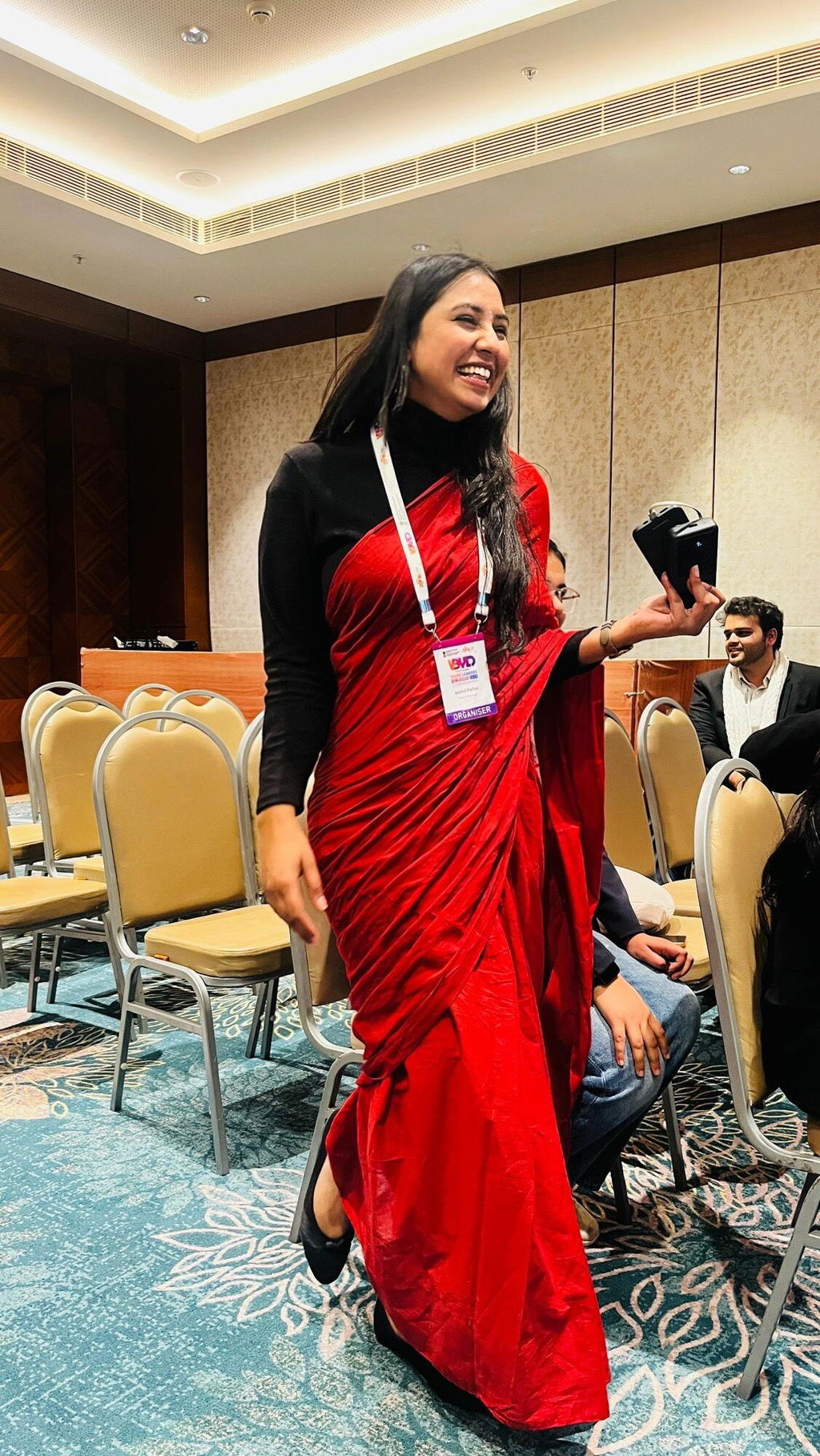

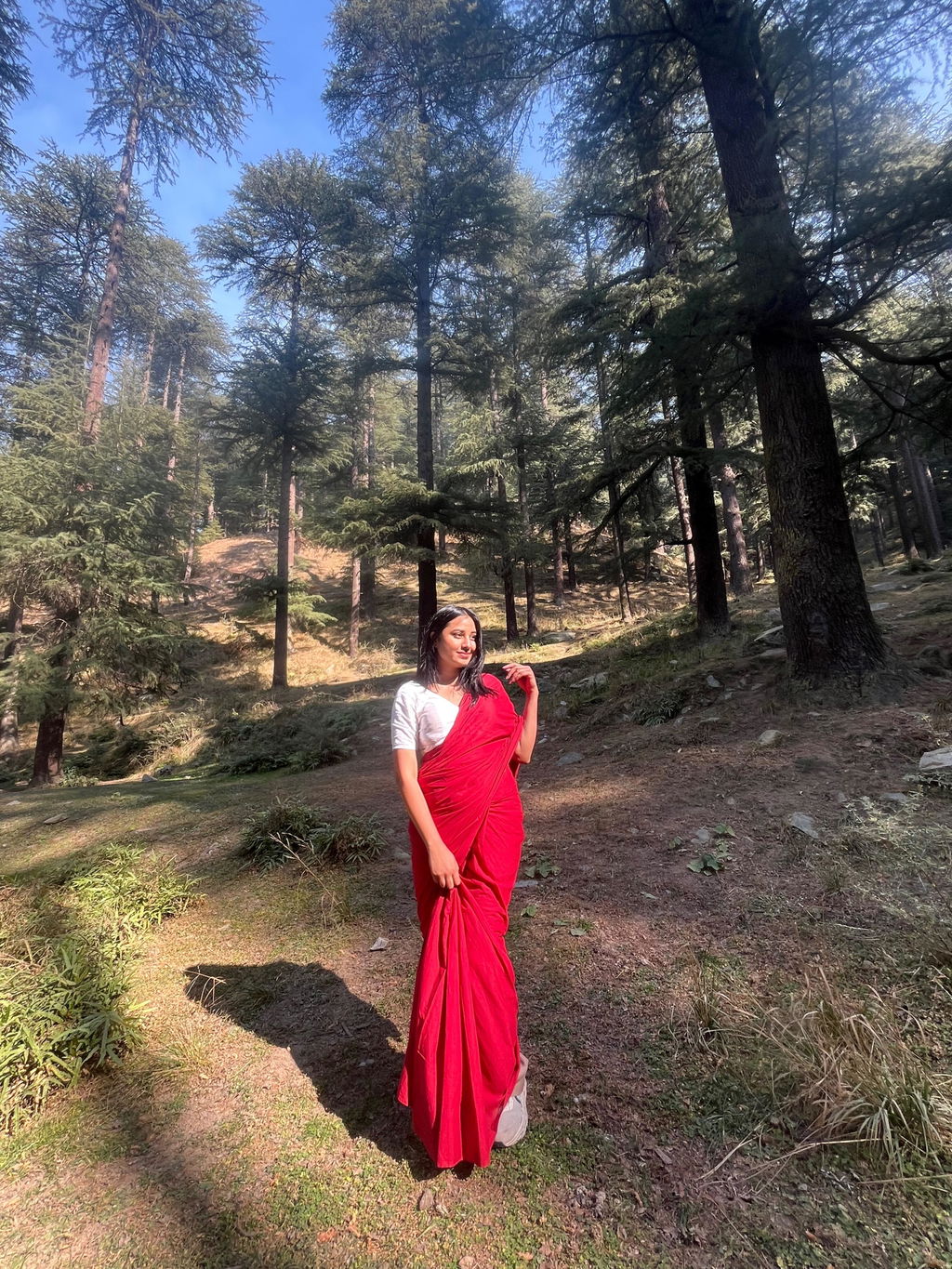
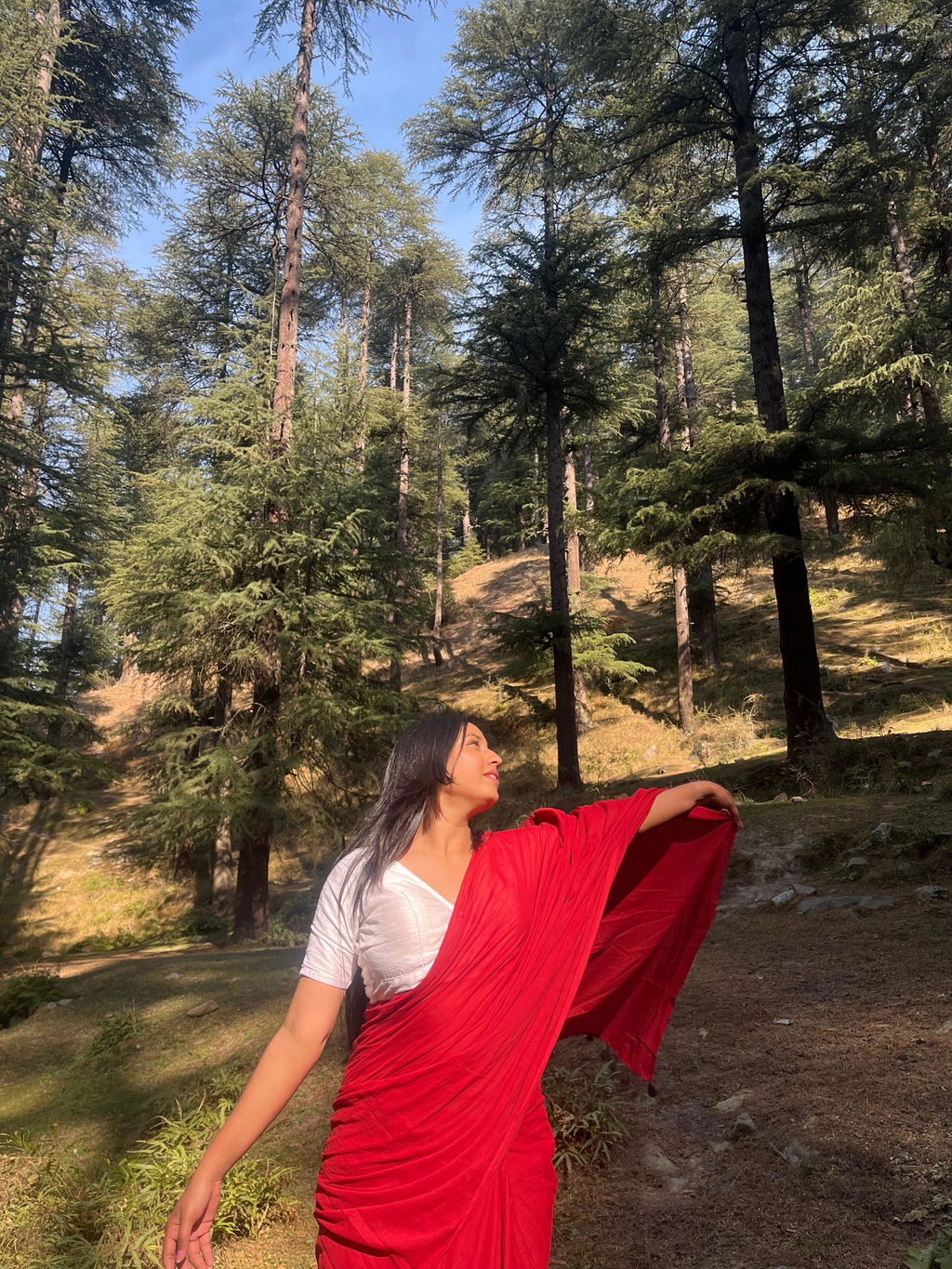
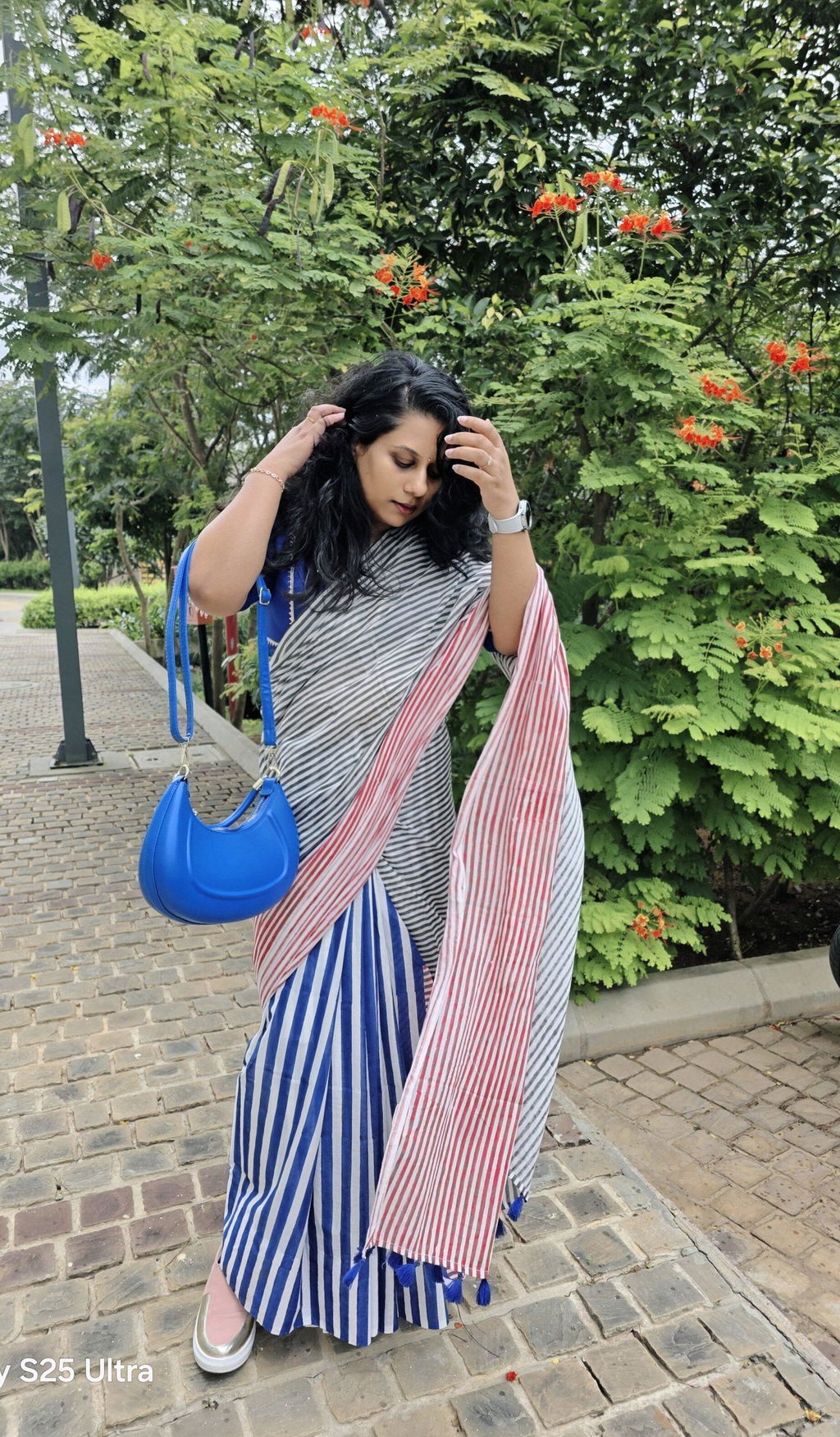
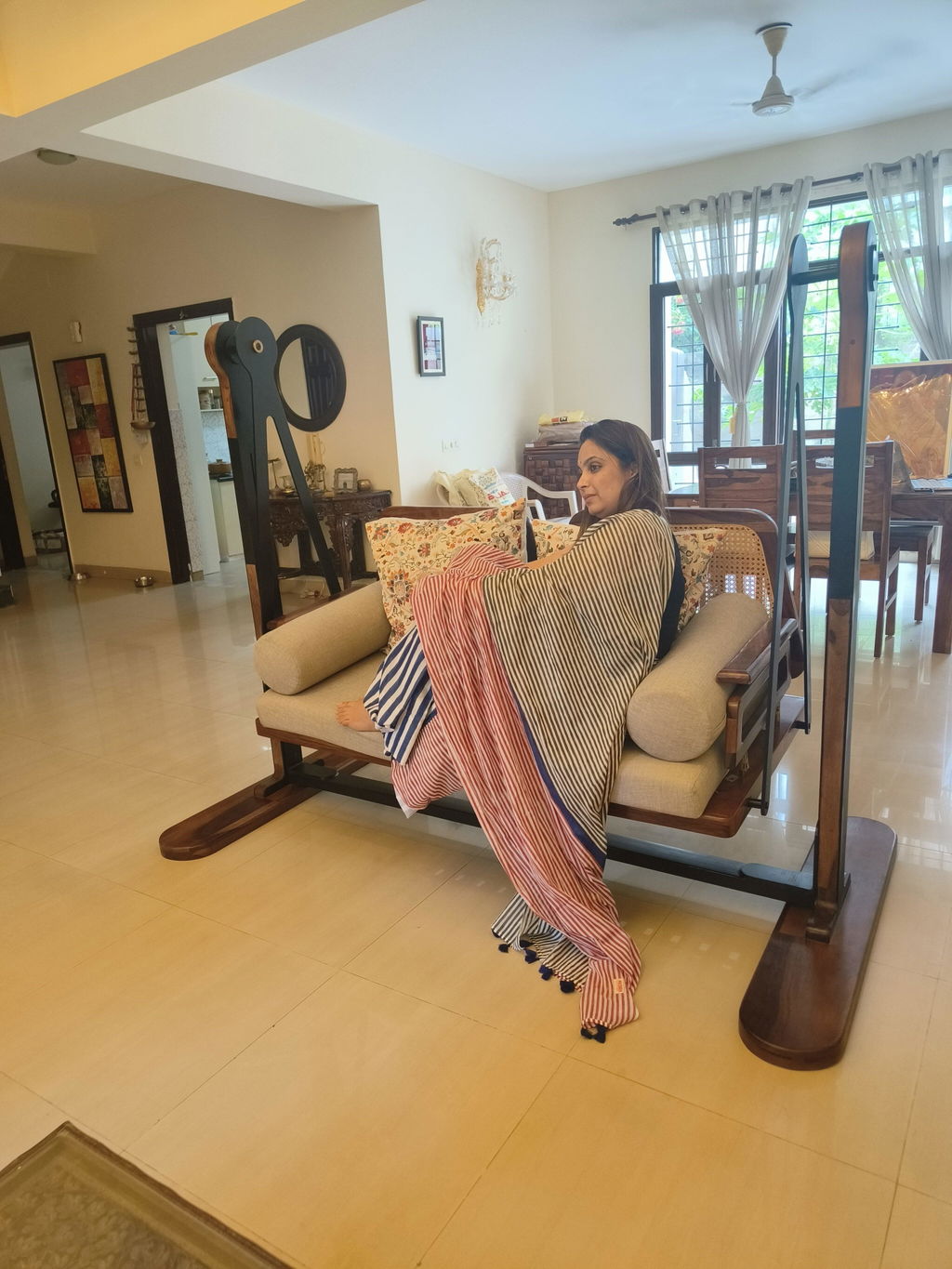
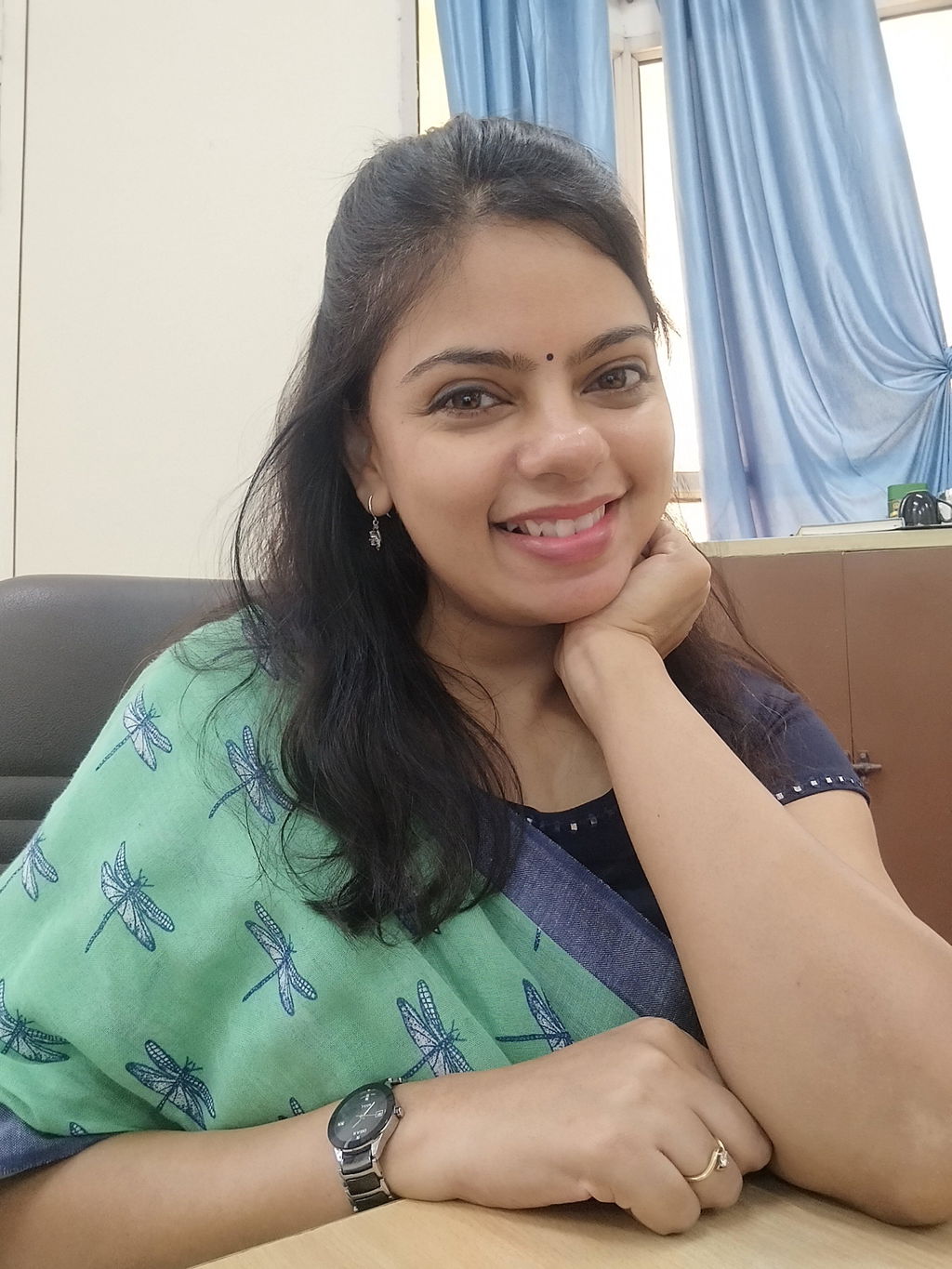


The Rise of Minimalist Cotton Pre-Stitched Sarees

There is a particular quiet power in a saree: the way it slows you down just enough to stand
straighter, speak softer and move more deliberately. For generations it was a ritual — pleats
folded by practiced hands, pallu pinned with care, a small choreography learned at your
mother’s knee. But life has speeded up. Meetings start on time, trains are missed if you are
late, and evenings arrive as quickly as dawn. In that modern rhythm the saree risked
becoming an occasional costume rather than daily clothing. The answer has been both
elegant and inevitable: the saree has evolved.
cotton pre-draped sarees, ready-to-wear sarees, “one-minute sarees” — have quietly
rewritten the rules. They keep the six-yard silhouette intact while removing the friction of
draping. They are built for movement, for days that stretch from classroom to boardroom to a
friend’s birthday dinner. They are the new everyday ritual: effortless, respectful of craft, and
deeply contemporary.
In this piece we explore why cotton pre-draped sarees are the fastest growing category in
contemporary Indian wardrobes, how they marry heritage with convenience, why mulmul
and other cotton weaves make them uniquely suited to Indian summers, how to style them
throughout the day, and how a brand like Moora has brought artisan hand-block printed
cotton sarees into the fold without losing soul.
Why the pre-stitched cotton saree matters today
1. Practicality Meets Dignity

● Modern women want the elegance and cultural dignity of a saree without its draping
complexity.
● already pleated cotton sarees offer the silhouette without the time, skill, or effort required.
2. Accessibility Across Generations
● They remove the fear of “not knowing how to drape,” making sarees approachable
for younger women.
● A college student can slip into one and feel instantly at home in a garment that once
required mastery.
● The same piece resonates with older women who associate cotton sarees with family
traditions and memories.
3. Perfect for India’s Climate

● Cotton remains India’s most democratic fabric — cooling, breathable, and ideal for
long summer months.
● Pre-draped silhouettes in cotton are comfortable for all-day wear, from commutes to
late dinners.
4. Everyday Sustainability
● Cotton is natural, biodegradable, and long-lasting.
● The ease of washing and re-wearing supports conscious consumption — no
dry-cleaning, no delicate upkeep.
5. Identity & Cultural Belonging
● Mulmul cottondissolve cultural barriers: anyone, regardless of draping skill, can
experience the saree confidently.
● They create a continuity of identity across age groups, geographies, and lifestyles.
6. Minimalist Fashion Appeal

● Fashion cycles repeatedly return to minimalism and the beauty of a well-crafted
single garment.
● Cotton ready-to-wear sarees align perfectly with this aesthetic — understated,
versatile, modern.
7. Instagram-Friendly, Travel-Friendly
● They photograph beautifully, thanks to their clean fall and natural textures.
● One saree works seamlessly in different settings:
● Compliments shift with the setting — modern, authentic, refined.
8. They Preserve Craft Instead of Replacing It
● Many premium pre-draped cotton sarees still use handloom bodies and artisanal
techniques.
● Bagru, Sanganeri, Ajrakh, and block-print traditions remain intact beneath the
modern construction.
● The drape is new, but the story remains ancient.
9. Ready-to-Wear Enhances, Not Dilutes, Heritage

● Pre-stitching makes craft more usable, not less valuable.
● It converts handmade fabric into an instantly wearable garment, widening its
audience.
10. Perfect Harmony of Heritage + Ease (Moora’s Position)
● This balance — traditional fabric with effortless structure — is what defines Moora’s
philosophy.
● The brand’s feather-soft mulmul sarees feel like second skin yet read as
contemporary design.
● They honour craft while delivering comfort, aesthetics, and everyday usability in
equal measure.
What is exactly a pre drape saree?
A saree that comes already pleated, already draped, and pre-stitched by experts.
● Typically includes a hidden zipper/hook and a skirt-like base or pant-style base.
● The pallu may also be pre-fixed so the drape stays flawless all day.
● Looks exactly like a traditional saree — only more convenient.
● Even India’s top designers now feature pre-draped sarees on runways.
Understanding how pre-draped sarees are made — and how to drape it
A pre-draped saree may look like a single garment, but it is the product of two crafts: textile making and considered tailoring. The textile — whether mulmul cotton, Chanderi blend, or a light cotton-silk — is the canvas. Artisans block-print motifs using carved wooden blocks and natural dyes, or weave a subtle sheen into a Chanderi blend. These fabrics are valued for tactile quality: the way mulmul breathes, how a chanderi scatter of metallic threads catches late afternoon light, how a hand-woven cotton settles into gentle folds.
The tailoring then interprets this fabric for modern function. Pleats are positioned and
stitched, a discreet lining or underskirt provides structure, and a hidden closure — a zip or aseries of hooks — creates ease of wear. Sometimes the pallu is attached and engineered to fall in a particular way; sometimes a stitched pleat creates an A-line drift that flatters lower
hips.
Small modern details — a hidden pocket sewn into the side seam, a shaped pleat that
avoids gathering bulk at the hip — make the pre-draped saree work in real life. The final
garment retains the look of a hand-draped saree but removes the anxiety of pins and
re-adjustments.
This convergence — traditional textile and modern tailoring — is essential. It means the
pre-stitched saree can be both artisan and accessible. It is why, when Moora says “1-minute saree,” they are speaking of more than speed: they mean a considered garment, one that respects the hand that printed the motif and the body that will wear it.
Fabrics that make cotton pre-draped sarees exceptional
Not all cottons are equal. The word “cotton” ranges from coarse mill made cloth to ultra fine mulmul muslin. For a ready-to-wear saree, the fabric choice determines the garment’s fall,breathability, ease of movement and long-term comfort.
Mulmul cotton, often used by Moora, is extraordinarily soft and light. It breathes, making it ideal for long days in warm weather. The fabric has a slight translucence and a fluid fall that works beautifully in pre-stitched pleats. Other handloom cottons, such as the slightly more textured weaves used for rustic prints, give structure and can hold a pleat more satiny.
Cotton-silk blends such as Chanderi offer a delicate sheen that lends a more formal feel
while staying lighter than pure silk. Georgette and chiffon are also used in some
ready-to-wear sarees for a more evening-appropriate drape, but cotton’s democratic comfort is what makes it the category’s signature.
Natural dyes and hand-block printing enhance cotton’s aesthetic and sustainability. Indigo,madder, and other plant derived pigments used by skilled Bagru and Sanganer printers yield rich, lasting colorways that age beautifully. When you choose a hand-block printed cotton pre-stitched saree, you choose a fabric that reads both artisanal and wearable: it breathes, it
softens with washes, and it keeps its personality.
Styling with intention: colors, prints and accessories that elevate cotton sarees
 Hand-block prints — Bagru dots, subtle florals, restrained geometrics — add texture and
visual depth. A solid border or a thin contrasting edge can give a saree structure without
adding bulk. For those who want a minimal look, pastels and neutrals in soft mulmul cotton
are unforgettable: there is a quiet luxury in a softly falling cream or pale jade saree.
Accessories should be chosen to complement, not compete. A single statement pair of
jhumkas, a delicate necklace, or a leather belt can change the saree’s mood. Footwear
choices matter: low block heels or elegant juttis keep comfort while adding polish; pairing a cotton saree with sneakers and a denim jacket gives a playful day look. The aim is to let the fabric and its craft remain central while using accessories to define context.
Buying decisions: what to look for when choosing a cotton ready-to-wear saree
When you are considering a cotton pre-stitched saree, think of three things: fabric quality,
construction details, and size/fit. Fabric tells you how the saree will feel and age.
Construction — where the pleats are stitched, whether the pallu is attached, whether there is
a discreet pocket, and the type of closure — tells you how the saree will perform. Fit is
crucial: a well-measured pre-stitched saree will sit at the right waist point and have the
correct length so the drape flows naturally.
If you are browsing online — for example in the Moora mulmul collection — look for clear
product photos of the pleat area and the pallu, read fabric descriptions carefully, and check
size charts. If you prefer in-person, ask to see the inside waistband and feel how soft the
cotton is. A quality mulmul will feel slightly airy and smooth rather than stiff or papery.
Pricing is another consideration. Because pre-stitching adds tailoring labor and artisan
printed fabric often costs more, some ready-to-wear cotton sarees are modestly higher than
an equivalent unstitched piece. Yet the convenience and time saved are part of the value.
Moora positions many of its ready-to-wear cotton sarees in affordable tiers, including several
options under ₹3000, that balance craftsmanship with practical pricing.
How Moora preserves craft while scaling convenience
Maintaining artisanal integrity at scale is never simple. Moora’s approach blends respect for
age-old processes with modern production and design sensibilities. The brand sources
hand-block printed fabrics from traditional clusters such as Bagru and Sanganer and
partners with skilled tailors who specialise in pre-stitched construction. This ensures the
saree keeps its hand-made character while delivering the predictability modern buyers
expect.
Moora also offers services that further the philosophy of inclusive craft. A conversion service
that stitches any six-yard saree into a pre-draped format allows customers to preserve
generational saris while making them usable for contemporary life. Size ranges and adjusted
waistbands make ready-to-wear inclusive. When artisans are paid fairly and their motifs are
celebrated in the product story and marketing, a virtuous cycle emerges: demand for
hand-made cotton rises, sustaining craft communities.
Caring for your cotton pre-stitched saree so it ages beautifully
Cotton is forgiving, but hand-block prints and delicate pleats deserve care. The safest
approach is gentle washing: a hand wash with mild detergent or a gentle machine cycle in
cold water will preserve color and fabric. Avoid soaking for long periods, and always dry in
shade to protect natural dyes. Iron while slightly damp to regain crisp pleats; if a pleated
area is stitched, iron carefully on the wrong side to protect stitch lines. For stubborn stains or
for blended fabrics with metallic threads, consider professional cleaning, but for most mulmul
cottons, simple gentle care keeps the fabric supple.
Storing cotton sarees flat or folded gently in breathable cotton muslin bags will protect them
from dust and humidity. Avoid plastic storage over long periods. When traveling, a cotton
pre-draped saree can be folded neatly into a suitcase; a light steam when you arrive will
bring back the drape.
Where to buy and how to think about price
Ready-to-wear cotton sarees are widely available across D2C boutiques and curated
marketplaces, but the buyer should prioritise craft provenance and clear product details.
Look for brands that cite hand-block origins, mention fabric specifics (mulmul, handloom)
and show seam and pleat details in images. For those who value ethical production, confirm
brands’ artisan partnerships or sustainability statements.
If price is a key factor, there are excellent options across ranges. A modest hand-printed
mulmul pre-stitched saree can sit comfortably under ₹3000 while still offering genuine craft
and quality. Premium handloom blends or embellished cotton pre-draped sarees may price
higher. The decision is personal: for daily wear and comfort, cotton pre-stitched sarees under
₹3000 represent outstanding value. Moora’s own range frequently includes accessible
options that keep craftsmanship and affordability in conversation.
Moora’s Pre-Draped Cotton Sarees — Tradition Meets Trend
Why Moora Stands Out
● Crafts 1-minute mulmul cotton sarees that feel airy, soft, and luxurious.
● Uses authentic hand-block prints, artisanal techniques, and soulful motifs.
● Offers youthful details like pockets and modern silhouettes.
● Sizes available from XS–XXL for perfect fit and inclusivity.
FAQs.
1.What exactly is a pre-stitched or pre-draped saree, and how does it differ from a regular saree?
A pre-stitched or pre-draped saree is constructed so that pleats and sometimes the pallu are fixed into place during tailoring, turning a traditionally wrap-style garment into one that you can step into and wear. A conventional saree arrives as an unstitched six-yard piece; wearing it requires manual pleating, tucking and pinning. The pre-draped version does this tailoring work for you. In appearance the difference is subtle: a quality pre-stitched saree will be indistinguishable from a hand-draped saree at a glance, but it requires far less skill and time to wear.
2.Is the look of a pre-stitched saree less authentic?
No — the look depends on the fabric and the quality of tailoring. The best pre-stitched sarees use handwoven fabrics and artisan prints, and they are stitched so that the pleats sit naturally. Because pleats are fixed in a carefully considered position, the saree often looks more consistent than an amateur drape; the only caveat is that poor tailoring or a stiff, low-quality cotton will reveal the construction. Choose natural, well-woven cottons like mulmul and look for tailored stitch details in product photographs.
3.Are pre-stitched cotton sarees comfortable for long hours and warm climates?
Yes. Cotton has been the fabric of choice in warm climates for centuries because it breathes and allows the skin to cool. Mulmul cotton in particular is thin and airy and works beautifully in ready-to-wear constructions. Modern pre-stitched sarees are designed with movement in mind: pleats are positioned to avoid binding, and closures are placed for comfort. For long hours, you will find cotton pre-stitched sarees much more comfortable than heavy silk or synthetic blends.
4.How do I choose the right size for a pre-stitched saree?
Unlike an unstitched saree that is one size for all, many pre-stitched sarees are offered in size ranges or custom measurements. Pay attention to provided size charts and measure your waist/hip height to understand where the saree will sit. Some pre-stitched sarees have adjustable elastic or drawstrings, which give flexibility. If a brand offers a conversion service, you might also bring an existing saree to be stitched to your exact measurements. For online purchases, measure an existing pre-stitched saree you own or try to find detailed length and waist circumference measurements in the product description.
5.How do I care for hand-block printed cotton pre-stitched sarees?
Hand-block prints and natural dyes are delicate but resilient with correct care. Use a gentle hand wash or a delicate machine cycle in cold water with mild detergent. Do not soak for long periods. Dry in shade to protect natural pigments from fading. Iron on a medium setting; for pleated areas, iron inside-out or steam gently to avoid flattening stitched pleats. Always read the specific care instructions from the brand, because some blends (for example a cotton-silk chanderi) may require slightly different treatment.
6.How do I style a cotton pre-stitched saree for office?
Choose clean palettes and subtle prints for office wear. A neutral hand-block print or an elegant solid mulmul drape paired with a well-fitted blouse looks modern and professional. Keep accessories restrained: a classic watch, a pair of studs, and a neat tote are sufficient. If you work in a more formal environment, layer a structured blazer or a neat jacket; the stitched pleats will keep the saree tidy underneath, allowing you to move confidently between meetings.
7.Can I travel in a cotton pre-stitched saree?
Yes. Cotton pre-stitched sarees are among the easiest sarees to pack and wear while traveling. They fold compactly and require minimal adjustment on arrival. Their breathability is an advantage in varied climates. Pair a cotton pre-stitched saree with comfortable footwear and a cross-body bag and you have a travel outfit that is both photogenic and functional.

