



Thinking of Buying a Jaipuri Print Saree? Here’s Everything You Should Know

Jaipur has always been more than a city; it is a living studio of colourful hues, craftsmanship, calm beauty and hospitality. From hand-carved wooden blocks to sun-dried cotton, every Jaipuri print saree begins as art before it becomes a piece of your wardrobe. Long before stylists curated looks for airport photos, these sarees lived quietly in the courtyards of Rajput homes worn with an ease and grace that even celebrities still try to echo today. That is the real charm of a Jaipuri cotton saree: it isn’t worn to impress the world, it is worn to feel like yourself. And when you drape one, you don’t just wear fashion, you carry an essence of Jaipur’s heritage, softness and soul with you wherever you go.
When you hold a Jaipuri cotton saree, you notice how the fabric breathes almost immediately. You notice the delicate floral prints, the soft pastels, the gentle fade colours that feel lived-in rather than flashy. And very often, you begin to imagine yourself simply being in it, at work, at home, while travelling, or while running through everyday routines.
What Truly Makes a Jaipuri Print Saree “Jaipuri”?
A Jaipuri print saree is not defined by one single element. It is the coming together of many traditions that have grown gently over centuries. It begins with hand block printing where artisans carve wooden blocks and press them, one by one, onto soft cotton. It continues through regional dyeing techniques, where colours are prepared using age-old recipes and dried patiently under the Rajasthani sun.

Image source : Creative Market
The prints themselves draw from heritage motifs flowers, vines, geometric repeats designs that feel timeless rather than trend-driven. Most Jaipuri sarees are crafted in light, breathable cotton, making them perfect for real, everyday wear. And above all, they are slow-made, created with care rather than speed. The two most iconic styles come from Sanganer and Bagru, towns close to Jaipur that share the same roots but express them differently one softer and floral, the other earthy and bold. Together, they form the soul of what we lovingly call a Jaipuri print saree.

Image source : Gemini
Sanganeri Print: Light, Floral, Delicate
A Sanganeri print saree often feels like fresh morning light. Traditionally printed on white or soft-cream cotton bases, these sarees feature delicate floral prints, vines, paisleys, and nature-inspired lines. Many carry soft pastels baby pinks, mint greens, dusty blues colours that don’t scream for attention, but rest softly against the skin. Historically, Sanganeri printing was closely linked to Mughal influence refined, intricate, elegant. Today, that same quiet refinement makes Sanganeri print sarees perfect for workwear, summer wear, relaxed gatherings, or daily comfort.

Bagru Print: Earthy, Bold, Rooted

A Bagru print saree tells a slightly different story. Bagru printing is known for deep natural-dye tones indigo, rust, maroon, mud-brown created using organic materials like iron, clay, and plant dyes. The motifs are bolder, more geometric, sometimes more grounded. These sarees feel closer to the soil rustic, earthy, cultural. A Bagru print saree suits women who love authenticity, depth, and heritage presence. It feels like desert twilight strong yet subtle.
Both prints sit under the umbrella of Jaipuri cotton saree heritage yet they speak different visual languages. And choosing one isn’t about fashion. It’s about feeling.
Why Do Women Love Jaipuri Cotton Sarees Today More Than Ever?
Because they work beautifully in real life.
A Jaipuri cotton saree is designed for movement, breathability, and ease. Cotton allows air to circulate. It absorbs moisture gently. It doesn’t cling to the body. It adapts to heat, humidity, and long hours. Whether you’re teaching, counselling, designing, caring, working, travelling or simply living the saree supports you quietly. Unlike stiffer fabrics, a Jaipuri cotton saree doesn’t treat your body like a structure to be shaped. It accepts your shape, your posture, your rhythm. You never feel “dressed up”. You simply feel comfortable.
Cultural Roots ; A Textile Story Carried Forward
Rajasthan’s block printing heritage dates back centuries. Towns like Jaipur, Bagru and Sanganer flourished because the climate helped dyes fix beautifully, and access to rivers allowed gentle washing. Artisan families passed techniques through generations carving wooden blocks, mixing dyes, and printing fabric by hand. Each Jaipuri print saree carries hundreds sometimes thousands of hand-placed impressions. No two pieces are ever identical. And in a world where machines repeat endlessly, that human touch matters.
When you wear a Jaipuri print saree, you aren’t wearing something mass-manufactured. You are wearing memory, skill, repetition, patience, soil, water, hand-eye coordination, and heritage stitched into a cloth that still feels light and modern.
Understanding Fabric ; Why Cotton Is the Heart of Jaipuri Sarees

Cotton is not just the base of a Jaipuri print saree it is its quiet strength. The fibre is naturally breathable, which means air moves freely through the weave, keeping the body cool even in Rajasthan’s desert heat. It absorbs moisture gently instead of trapping it, so you never feel weighed down.
Cotton also welcomes dye beautifully allowing Sanganeri pastels and Bagru earth-tones to sink into the cloth rather than sit on top of it. This is why Jaipuri sarees age softly instead of fading harshly. The fabric is light, yet resilient; structured enough to drape well, yet supple enough to fold easily into your everyday life. Over time, cotton learns your body softening, relaxing, and falling more naturally with every wear. It is kind to sensitive skin, free-moving, silent, and honest everything a daily-wear saree should be
The Silent Elegance of Fade Colours
Many Jaipuri sarees feature fade colours soft, muted dye tones that mellow gently over time. This isn’t a flaw. It is part of the beauty of hand-printed textiles. These shades feel grounded and natural unlike loud synthetic tones that fight with the eye. And as the saree softens, the colours soften with it, creating a nostalgic, vintage-warm feel.
Living in a Jaipuri Print Saree Not Just Wearing It
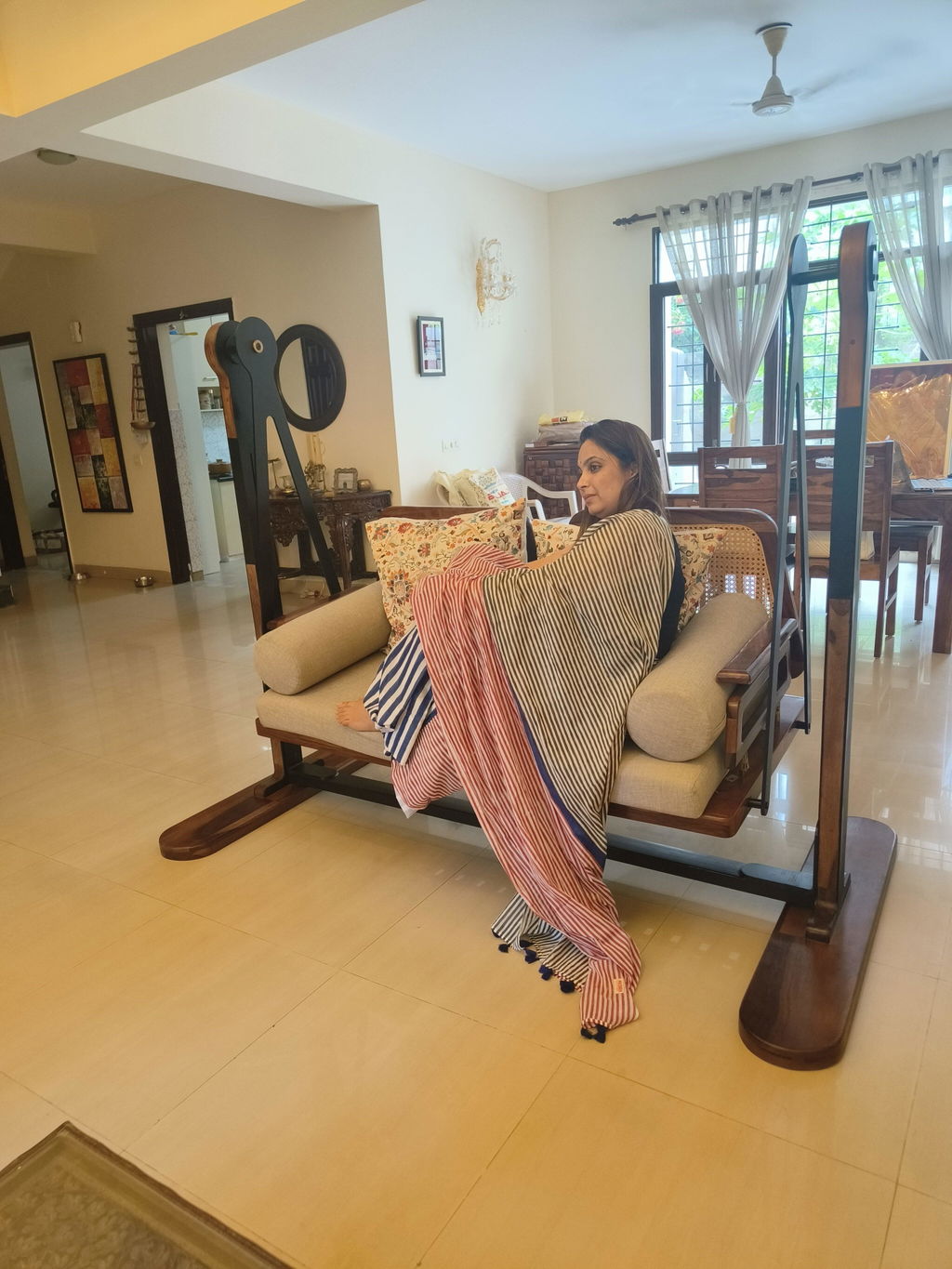
A Jaipuri print saree does not behave like ceremonial clothing. It encourages ease. You can walk fast, sit cross-legged, climb stairs, run errands, work long hours, and still feel at peace in it.

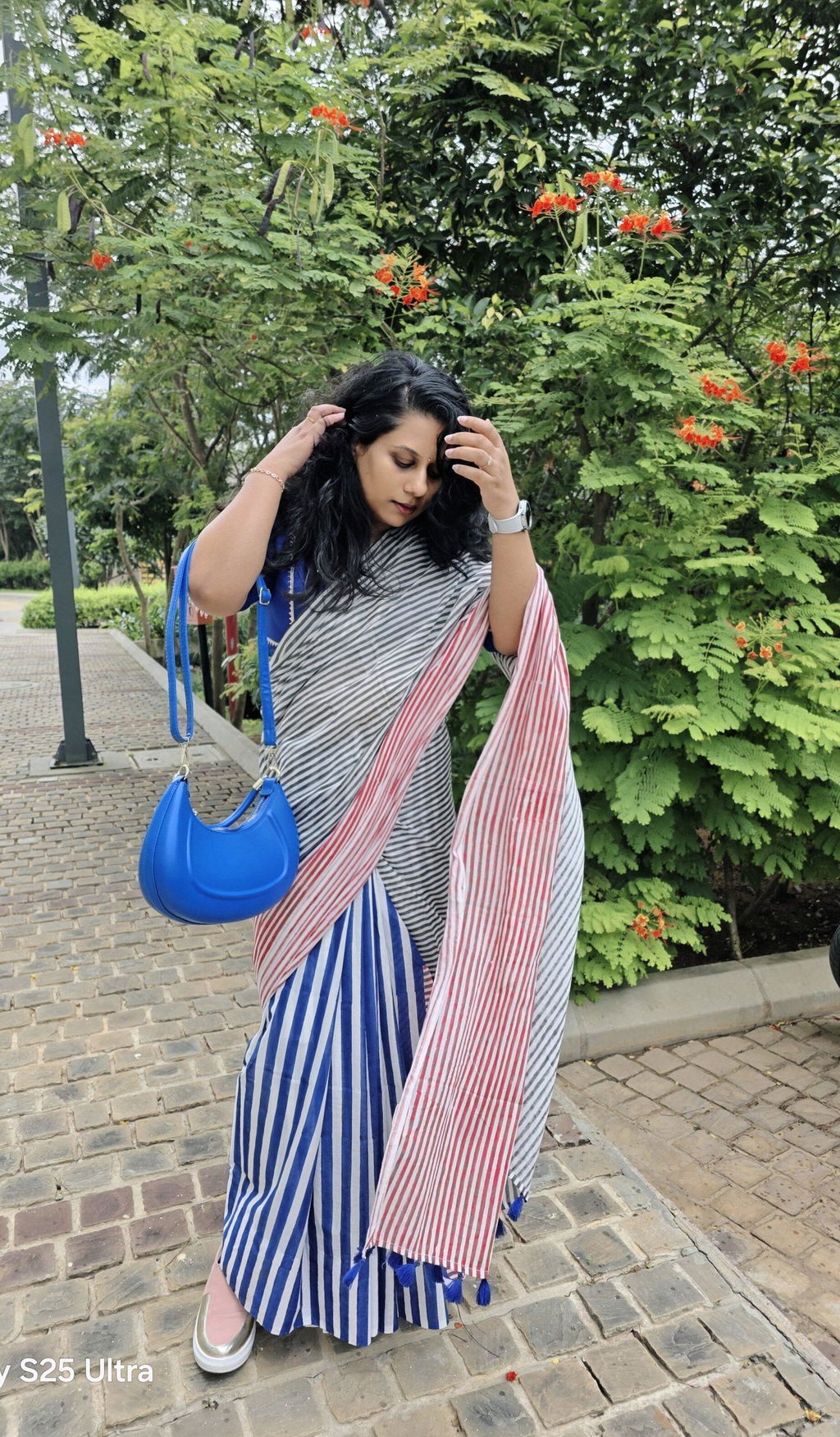
One of the reasons women keep returning to Jaipuri print sarees is that they fit seamlessly into real life. They look as natural at work as they do while travelling, sitting through long meetings, wandering through weekend markets, or meeting friends over chai. They soften busy days, calm the body, and move easily from formal to familiar. You can wear one for a quiet family gathering, a day filled with errands, or those in-between moments when home and work overlap and it never feels out of place. A Jaipuri cotton saree doesn’t ask you to pose, perform, or adjust yourself to it. Instead, it adapts to you letting you live, move and breathe in it without effort. It belongs wherever you do
Choosing Between Sanganeri and Bagru A Heart-Led Decision
- If your personality leans toward soft femininity, pastel grace and delicate detail a Sanganeri print saree often feels right.
- If you connect with earthy tones, cultural depth, and natural dyes a Bagru print saree will speak to you.
There is no “better”.
There is only resonance.
How Do Jaipuri Print Sarees Age?
Over time, a Jaipuri print saree doesn’t age in a harsh or worn-out way. Instead, the cotton fibres slowly relax, making the saree feel lighter and softer on your skin. The fade colours settle gently, the drape becomes more fluid, and the saree starts to feel familiar almost like it has learnt the shape of your body and the rhythm of your days. If you prefer very crisp, glossy, new-looking fabrics, this may not be the saree for you. But if you appreciate softness, calmness, and clothes that feel lived-in rather than styled, a Jaipuri cotton saree will feel like home. It becomes more “you” with every wear — and that is part of its quiet beauty.
Are Jaipuri Print Sarees Easy to Maintain?
Yes most are truly easy wash garments.
A simple cold wash with gentle care is ideal. Avoid bleaching, scrubbing, wringing, or tumble-drying. Shade-drying preserves both print and fibre. Mild detergent keeps the cotton breathing. In short they prefer kindness. But they are not fragile. They are simply crafted thoughtfully and respond best to thoughtful care.
What Should You Look For While Buying a Jaipuri Print Saree?
Look for cotton that feels breathable rather than stiff. Notice the fall it should feel relaxed, not plasticky. Hand-printed sarees carry tiny natural imperfections. That’s actually evidence of authenticity not poor quality. Machine prints look too perfect. Observe stitching, finishing, and colour depth. Choose prints you emotionally connect with. A saree should make you feel something calmness, nostalgia, grounded beauty, softness.
If it does it will live with you for years.
Sustainability The Quiet Story Beneath the Fabric
Behind every Jaipuri print saree lies a slower way of making and wearing clothes. Much of the work is done by hand from carving blocks to printing and drying which naturally reduces industrial impact and keeps age-old skills alive. Cotton, as a breathable natural fibre, returns gently to the earth, unlike synthetics that linger for decades. And because these sarees are made to last, not to be replaced quickly, they encourage mindful, repeat wear. When you choose a Jaipuri cotton saree, you aren’t just choosing comfort and beauty you are quietly supporting artisans, communities, and a more thoughtful relationship with what we wear.
FAQs
Q.1.What is a Jaipuri print saree?
A Jaipuri print saree is usually a lightweight cotton saree printed using traditional hand-block or regional techniques from Jaipur and nearby craft towns such as Sanganer and Bagru. Artisans carve motifs onto wooden blocks, dip them into dye, and press them onto the fabric by hand. The result is a saree that feels natural, breathable and deeply cultural not machine-perfect, but beautifully human.
Q.2.Is a Jaipuri cotton saree comfortable for daily wear?
Yes comfort is one of the biggest reasons these sarees are loved. Cotton allows air to circulate, absorbs moisture gently, and doesn’t cling to the body. This makes a Jaipuri cotton saree ideal for long workdays, travel, home-office life, or everyday routines in warm climates. It feels light, soft and easy to move in — like clothing designed for real life.
Q.3.What is the difference between Sanganeri and Bagru prints?
Both belong to Jaipur’s textile heritage, but their moods differ. Sanganeri prints are usually light, delicate and floral often seen in pastel tones or soft whites. Bagru prints are more earthy and bold, using deeper natural-dye colours such as indigo, rust and maroon with geometric or nature-inspired motifs. One feels airy and romantic; the other grounded and rustic. Neither is “better” it simply depends on your personal style.
Q.4.Do Jaipuri sarees fade over time?
Some colour softening is natural especially in hand-dyed fabrics. Instead of harsh fading, the tones mellow gently, creating what many call fade colours: a soft, vintage-like finish that feels warm and lived-in. With gentle wash care, this aging looks graceful rather than worn-out.
Q.4.How should I wash my Jaipuri saree?
Treat it kindly. A cold wash with mild detergent and gentle care is best. Avoid bleach, harsh scrubbing or tumble drying, and allow the saree to dry in shade. This protects the pigment and keeps the cotton fibres soft and strong. Most women find Jaipuri sarees genuinely easy-wash once they get used to the routine.
Q.5.Are Jaipuri sarees suitable for office wear?
Absolutely. Their soft prints and elegant drape create a polished look without feeling stiff or formal. A Jaipuri print saree works beautifully for meetings, presentations, teaching, counselling, creative fields anywhere you want to look composed yet comfortable.
Q.6.Are Jaipuri sarees beginner-friendly?
Yes. Lightweight cotton is one of the easiest fabrics to drape because it holds shape without feeling heavy. Many first-time saree wearers start with a Jaipuri cotton saree because it feels secure, breathable and forgiving.
Q.7.Are Jaipuri sarees eco-friendly?
Many are especially when made using hand-block printing, natural fibres and small-batch production. Because the work is largely manual, it supports artisan livelihoods and reduces industrial impact. Cotton also remains one of the most biodegradable fibres, making it a more sustainable choice than synthetics.
Q.8.Are Jaipuri sarees only for traditional occasions?
Not at all. Their simplicity makes them incredibly versatile. They can look traditional, modern, minimal or artistic depending on how you style them. That’s why you’ll see them at offices, cafés, airports, homes and celebrations alike.
Q.9.Can Jaipuri cotton sarees be worn year-round?
Yes. Cotton adapts beautifully to changing seasons cool and airy in summer, soft and layered in winter. Many women find that a Jaipuri print saree becomes their everyday go-to because it feels right in almost every climate.
Q.10.Why do people say Jaipuri sarees “age beautifully”?
Because the more you wear them, the softer and more fluid they become. The colours settle, the drape relaxes, and the saree begins to feel almost personal like it remembers you. Instead of wearing out, it grows into you.
Final Reflection
In the end, a Jaipuri print saree is far more than a beautiful garment. It is a quiet bridge between heritage craft and modern everyday life a reminder that clothing can still be soulful, breathable and made by human hands. Whether you choose a soft Sanganeri print saree with delicate floral prints or an earthy Bagru print saree dyed in deeper tones, what you bring home is a story of patience, skill and cultural continuity. A Jaipuri cotton saree lives lightly on the skin, softens with time, and settles into your routine with ease. It asks only for gentle care a simple cold wash, shade drying, and mindful wear and in return, it offers comfort that grows with you. These natural fade colours and hand-printed details make every saree unique, personal and quietly luxurious. That is why women return to Jaipuri sarees again and again: they are timeless, versatile and deeply human. And whether you wear yours to work, to travel, to rest or to celebrate, it will always feel like more than fashion it will feel like a piece of Rajasthan you can carry with you, every single day.

