


Why Gen-Z Loves These Easy-to-Style Draped Sari Designs in 2026

Introduction: A New Sari Story for a New Generation
There is something quietly poetic unfolding in India’s fashion landscape in 2025. A garment that has lived through centuries, a garment draped in the stories of mothers and grandmothers, a garment that once defined elegance in slow, unhurried rituals — is finding new life in the hands of its youngest admirers. This garment, the sari, seems to be experiencing a renaissance shaped not by nostalgia alone, but by reinvention, playfulness, and freedom.
The custodians of this revival are not seasoned connoisseurs or traditionalists. They are Gen-Z — sharp-minded, expressive, culture-conscious individuals who live life at lightning speed yet crave a deep emotional connection to their roots. They explore global fashion trends, yet their hearts naturally drift back to Indian textiles. They switch comfortably between K-pop playlists and classical thumris. They might wear cargo pants one day and a soft mulmul sari the next — because for them, style is fluid, not fixed.
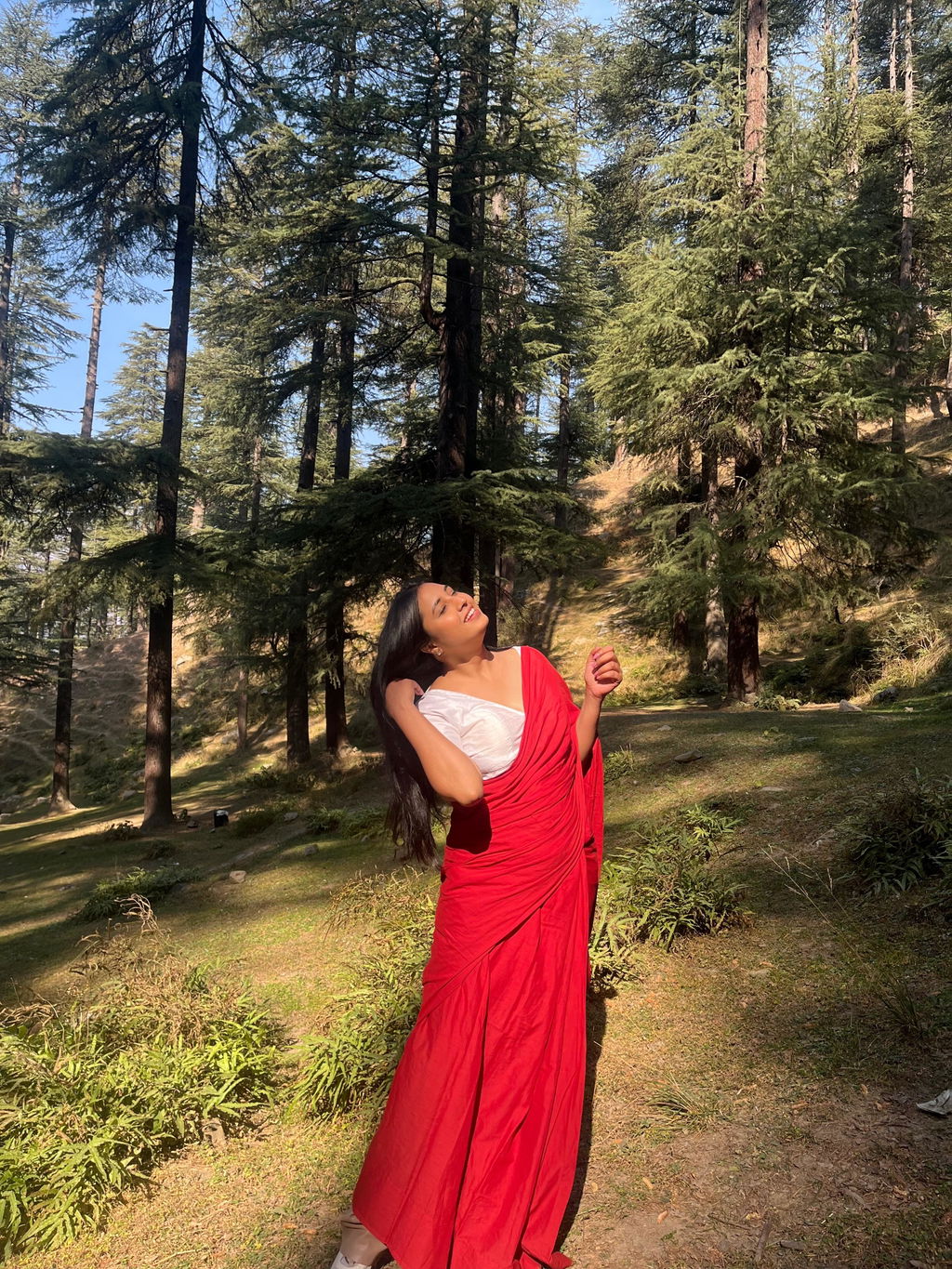
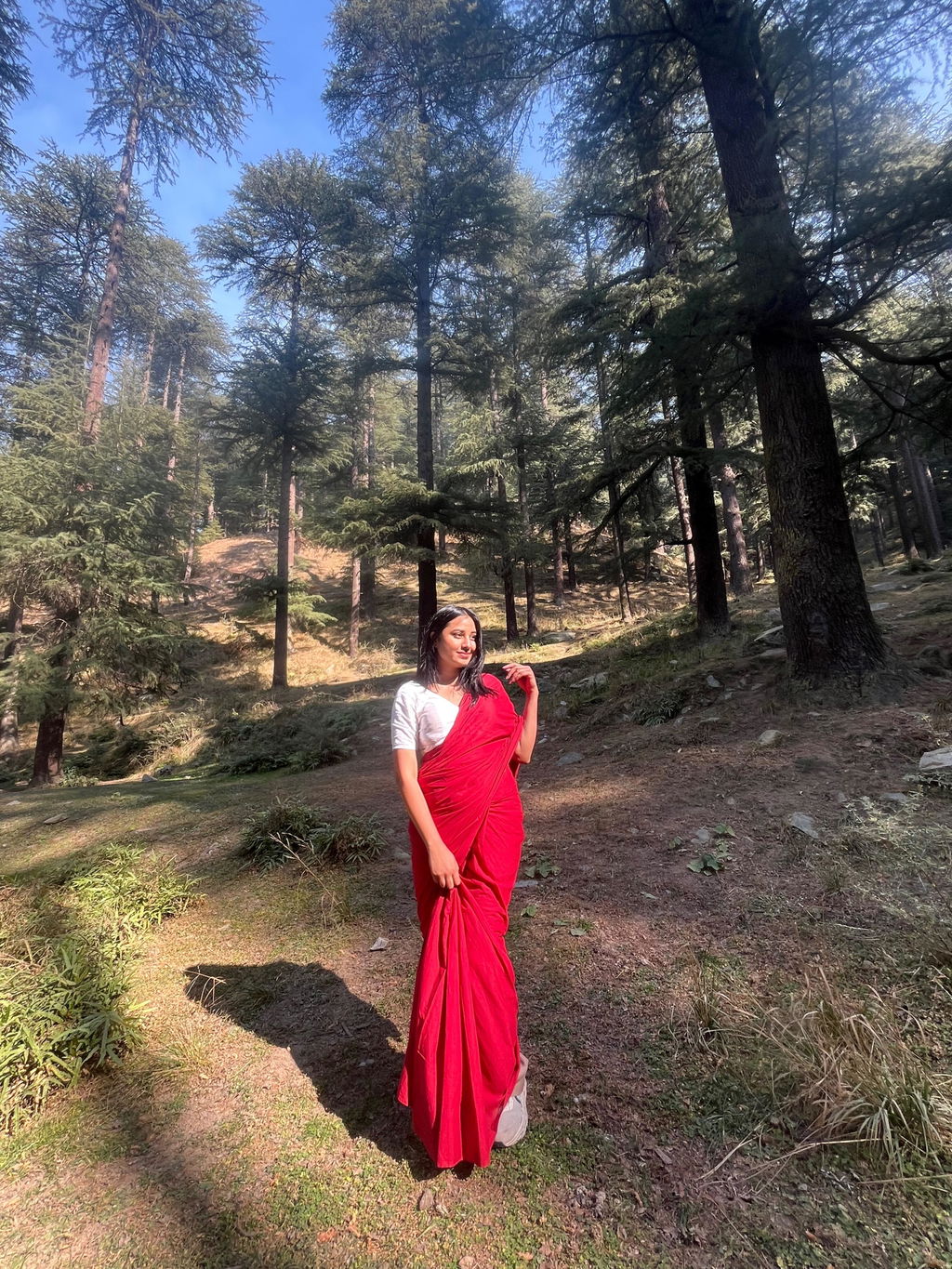
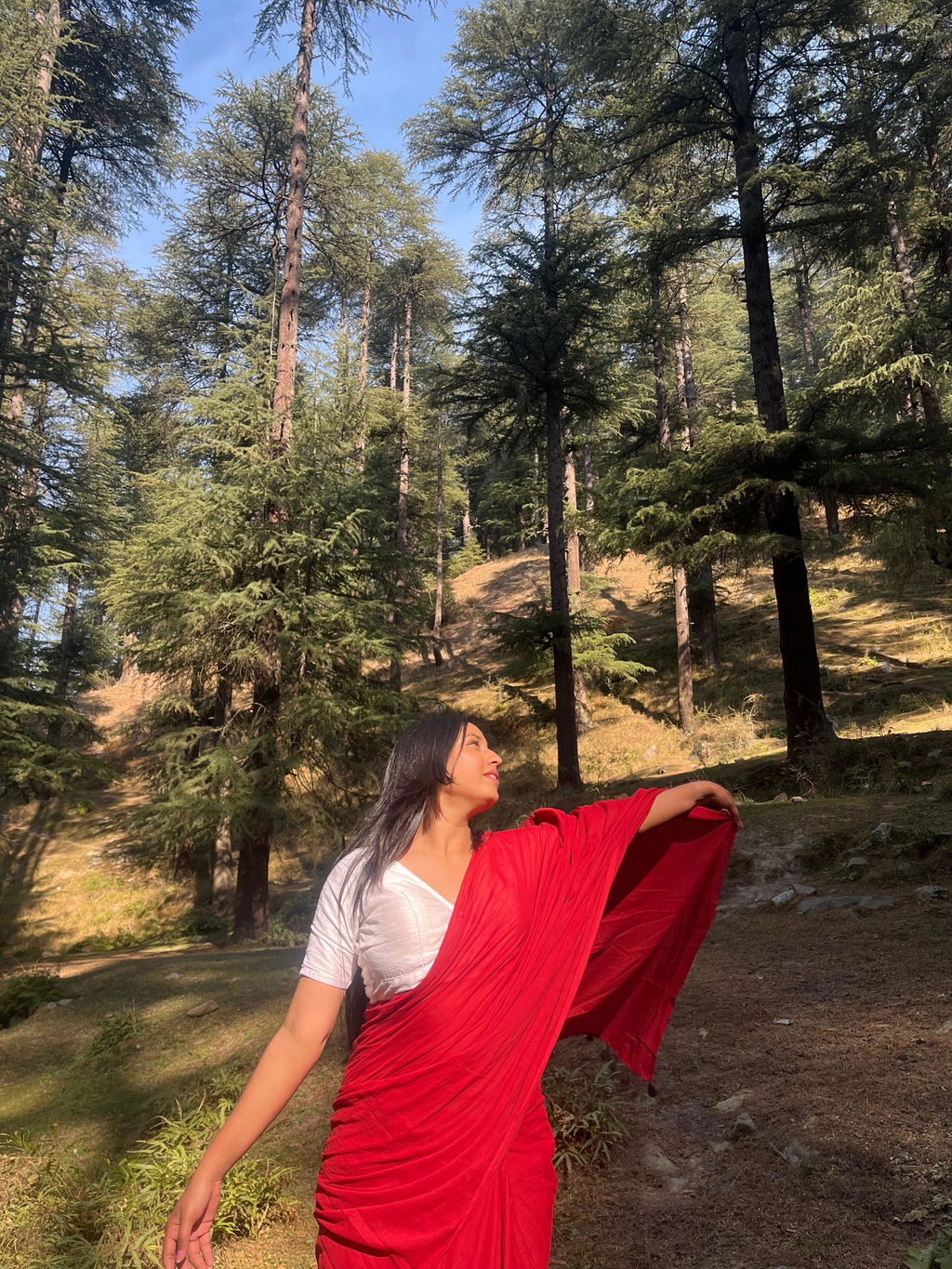
What makes this revival extraordinary is not just the return of the sari itself, but the way it is being embraced: easy-to-style draped sarees that fit effortlessly into a modern lifestyle. These are not the traditional six-yard drapes that require skill, time, and technique. These are sarees that — as Moora lovingly describes — “feel like slipping into a cloud,” soft, quick, and designed for movement and ease.
From pre-pleated mulmul sarees that take under five minutes to wear, to dhoti and ruffle drapes that can survive an entire day of classes, metro rides, lunches, and late-night events — Gen-Z has made the sari a garment of everyday joy, not ceremonial obligation.
Moora, with its world of handcrafted block prints, feather-soft mulmul, airy cottons, and comfortable silhouettes, has naturally become a part of this transformation. The brand echoes Gen-Z’s values: inclusivity, sustainability, comfort-driven fashion, and self-expression.
This blog explores this movement in its fullness — why young India is choosing these effortless drapes, how the trend has developed, and how Moora’s handcrafted approach blends seamlessly with this cultural shift.
Gen-Z’s Modern Take on the Sari Tradition

Image source: BBC
A Heritage Garment Reinvented With Ease and Expression
For decades, the sari was often seen as something that belonged to special occasions — weddings, festivals, religious functions, or family gatherings. It was beautiful, yes, but also considered formal and somewhat challenging. Many young women admired it but hesitated to wear it without assistance from elders.
Gen-Z has turned this perception on its head with pre drape saree
Instead of treating the sari as a garment meant only for tradition, they treat it as a fashion playground — something they can style, twist, reinvent, and reinterpret according to their mood and aesthetic.
The Sari Is Becoming an Everyday Outfit
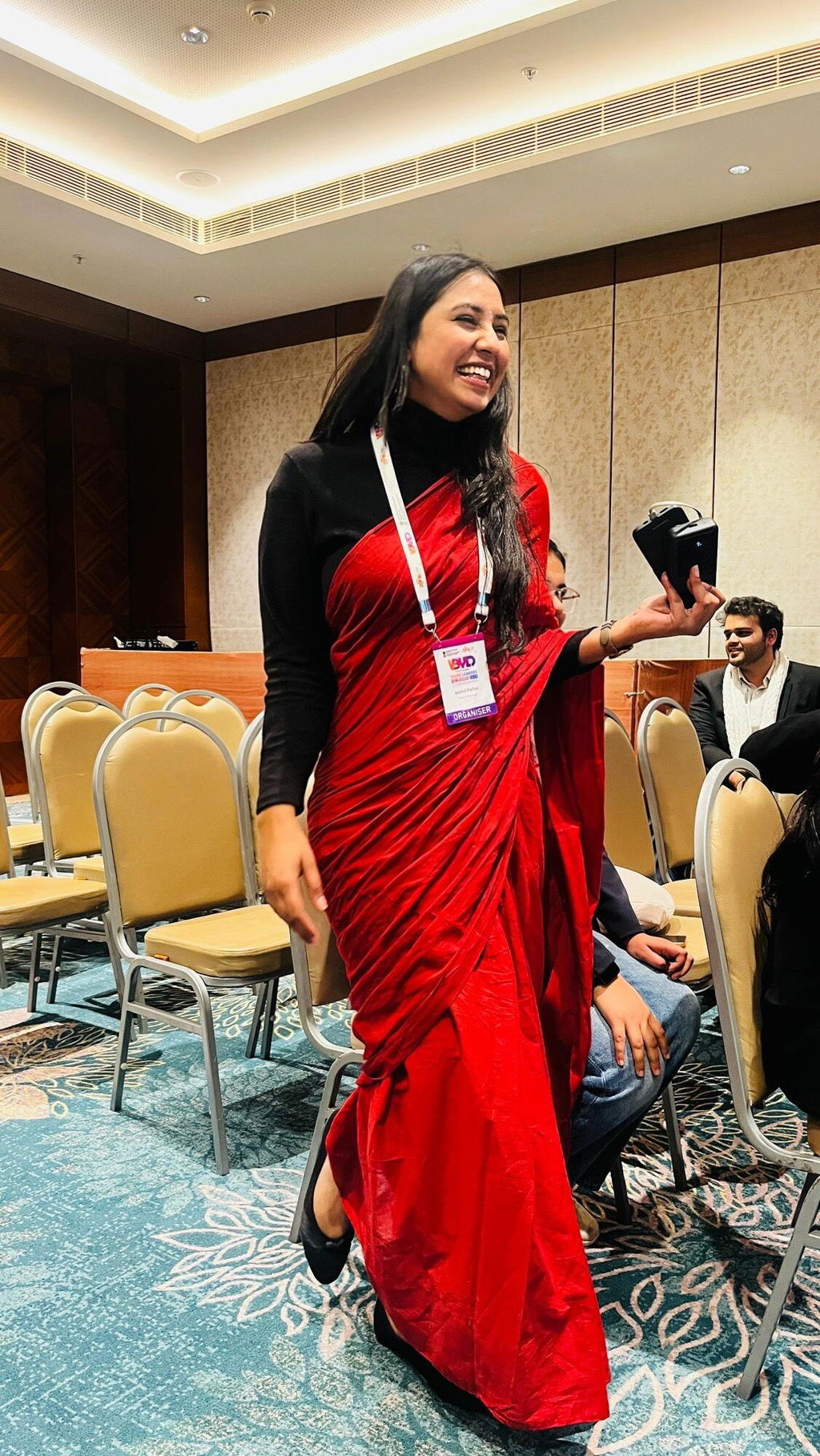
One of the biggest cultural shifts today is seeing young women (and men) choosing sarees for occasions that older generations would have called “too ordinary.” It is not uncommon to see a soft cotton sari on a college student heading to a literature festival, or a pre-draped mulmul saree worn casually to an internship presentation.
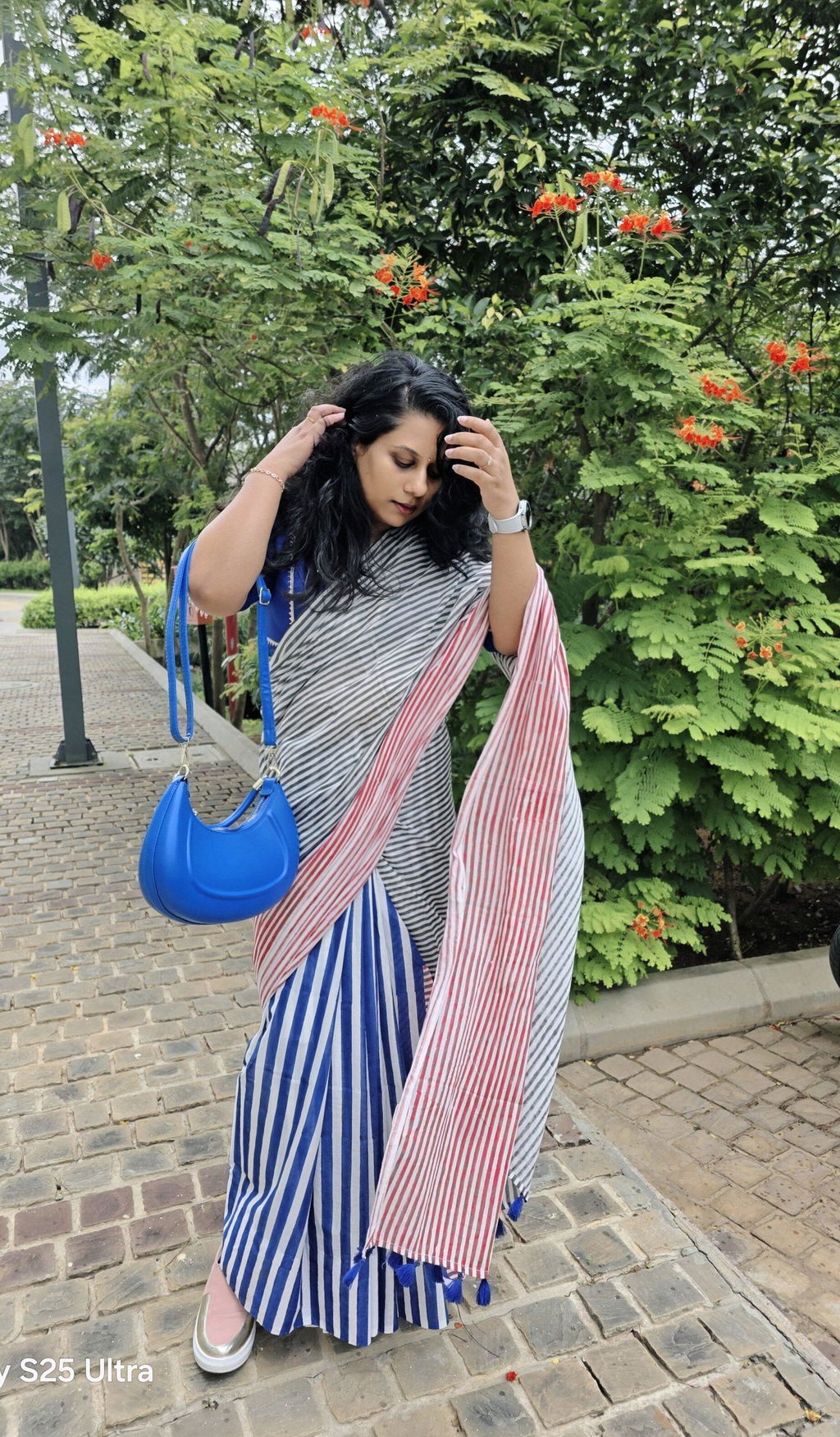
For example, a student might pair a hand-block printed Moora saree with a simple sleeveless cotton blouse, sneakers, and braided hair — creating a look that feels grounded in tradition yet entirely contemporary.
This movement makes the sari accessible, approachable, and woven into the rhythm of everyday life.
A Garment for Everyone — Not Just Women

Image source: whosthat360
Perhaps the most revolutionary contribution of Gen-Z is their refusal to let the sari be limited by gender. On social media and fashion campuses, men and non-binary individuals drape sarees with confidence and creativity, proving that elegance belongs to everyone.
Imagine a young male artist attending an exhibition opening in an Indigo block-printed Moora saree paired with a linen shirt and Kolhapuri chappals. The look is not just fashionable — it becomes a cultural statement of freedom.
Fusion Styling as a Form of Art

Gen-Z’s fashion language is all about mixing worlds. They blend the sari with styles and silhouettes that earlier generations would never have combined.
For instance:
-
A traditional mulmul saree draped over a white shirt with rolled-up sleeves
-
A Chanderi saree paired with a cropped denim jacket
-
A breezy block-printed cotton saree worn with chunky sneakers and a baseball cap
What might sound unconventional in words becomes visually stunning when styled — and this blend of cultures reflects the global-yet-rooted identity of today’s youth.
Every Drape Is a Canvas for Creativity
Videos on Instagram and Pinterest show dozens of inventive drapes — butterfly drapes, half-sarees, cape styles, pant-style drapes, jacket layers — each allowing the wearer to project their personality.
This spirit resonates deeply with Moora, whose soft fabrics and fluid silhouettes invite touch, movement, and invention.
Effortless Draping for a Fast-Paced Lifestyle
Convenience Wrapped in Culture
If there is one defining trait of Gen-Z fashion choices, it is this: comfort and convenience matter as much as beauty. They want clothes that support their lifestyle — clothes that let them run, dance, travel, socialize, and breathe.
This is exactly where easy-draped sarees have made their mark.
Why Pre-Draped Sarees Are Life-Savers
Traditional draping is an art, but it can be intimidating. Young people often avoid sarees simply because they fear pleats coming undone, fabric slipping, or the struggle of securing everything with pins.
Pre-draped sarees solve this beautifully.
Take an example: A student rushing for her college fest has only fifteen minutes to get ready. With a pre-pleated Moora mulmul saree, she can step into it like a skirt, adjust the pallu once, slip on her jewelry, and head out without stress. The pleats stay in place, the fabric feels airy, and she looks magnificent with almost no effort.
Movement Without Restriction
Pre-draped sarees are designed to allow freedom. Whether it’s walking up stairs, running to catch a bus, or dancing at a sangeet, these sarees do not get in the way.
Picture someone attending a garba night. A dhoti-style pre-stitched saree allows her to spin, jump, and move with playful ease — and she doesn’t have to worry about stepping on the hem.
Confidence That Lasts All Day
Another major reason for the popularity of draped sarees is how they retain their shape. Gen-Z often attends long events — college fests stretching for hours, office celebrations, daytime shoots, or full-day weddings.
A stitched pleat will not lose symmetry, and a stitched pallu will not slip even after hours of activity. The wearer can be confident that her saree will look just as fresh in the evening as it did in the morning.
Comfort in Every Texture
Moora’s signature mulmul cotton is a favorite among young buyers because it feels like a gentle breath on the skin. It is soft, feather-light, and naturally suited for India’s warm climate. A pre-draped mulmul saree takes comfort to another level — allowing even first-time wearers to feel at ease.
Trendy Draped Saree Designs Gen-Z Adores in 2025
A Deep Dive Into the Most Loved Styles
Instead of listing styles as single words, this section explores each trend richly — describing how it looks, why it’s loved, and where it’s worn.
1. The Belted Draped Saree: A Blend of Tradition and Definition

Among all draped saree trends, belted drapes have gained immense popularity because they bring sharp structure to a fluid silhouette. A belt at the waist instantly transforms the sari into a sculpted, modern outfit.
Consider a young woman wearing a Moora block-printed cotton saree to her office’s ethnic day. Without a belt, the saree looks traditional and beautifully understated. But when she adds a minimalist leather belt over the pleats, her entire look gains power and refinement. The belt holds the fabric firmly, enhances her waistline, and gives a modern edge to a timeless textile.
Many Gen-Z wearers experiment with belts — metal chain belts for parties, embroidered belts for weddings, simple fabric belts for casual days. This gives them multiple styling possibilities with just one saree.
2. Ruffle Sarees: Playful Movement With Feminine Grace

image source: vogue
Ruffle sarees feel like poetry in motion. They add a flirtatious softness that appeals to young adults who love flowy silhouettes and photogenic textures.
Imagine walking into a farewell party wearing a pastel organza ruffle saree. As you move, the cascading waves ripple around you, catching the light gently and creating a dreamlike aura. Without needing heavy jewelry or elaborate makeup, the wearer instantly looks dressed for a special moment.
Gen-Z loves them because they create drama without effort — perfect for photoshoots, farewell events, date nights, and sangeets.
3. Pre-Pleated & Ready-to-Wear Sarees: The Ultimate Beginner-Friendly Choice

Pre-pleated sarees are the heart of the easy-drape trend. They look exactly like traditional sarees but remove the complexity.
Consider someone wearing a pre-pleated Moora mulmul saree to her first internship presentation. She may not know how to drape, but she wants to look polished yet comfortable. With pre-stitched pleats, she simply slips into the saree, adjusts the pallu over her shoulder, and instantly appears elegant, assured, and put-together.
These sarees sit well on all body types, making them a comforting choice for first-time wearers. They are ideal for college events, festivals, daytime outings, and even the workplace.
4. Cape-Style & Jacket Drapes: Indo-Western Drama With Effortless Comfort
Cape-style sarees remove the need for pinning or adjusting the pallu repeatedly. The cape flows softly around the shoulders, creating a graceful frame.
For example, a cape-style drape worn at a cocktail party looks nothing short of ethereal. The cape adds a gown-like structure, giving the wearer a red-carpet silhouette while still preserving the essence of the saree.
Jacket drapes, on the other hand, allow the sari to double up as winter wear. A young professional attending a winter wedding might wear a Chanderi saree with a structured embroidered jacket — blending warmth, elegance, and movement.
5. Dhoti-Style & Palazzo Sarees: Comfort That Dances With you

Image source: Mirraw
Dhoti-style sarees merge the best of two worlds — the ease of pants and the beauty of a saree. They are loved at concerts, college fests, dance events, and sangeets because they provide unmatched mobility.
Imagine performing at a college fest in a dhoti-style draped saree. You can jump, spin, run, or dance without worrying about tripping or adjusting the pleats. These sarees support the rhythm of your body.
Palazzo sarees offer similar comfort with wider, flowier movements — making them ideal for humid days or outdoor events.
Versatility & Personal Expression
A Garment That Reflects the Wearer’s Heart
The sari’s greatest gift is its versatility. Unlike many garments that lock you into one silhouette, the sari transforms based on how you drape it, what you pair it with, and the mood you bring into it.
One Saree, Many Personalities
For example, a simple ivory Moora mulmul saree can serve multiple purposes:
-
Worn with a high-neck blouse, it becomes sophisticated and formal.
-
Worn with a bohemian jacket, it becomes artistic and earthy.
-
Worn with sneakers and a crop top, it becomes urban and playful.
-
Worn with silver jewelry and open curls, it becomes romantic and dreamy.
Gen-Z loves this infinite adaptability.
Social Media as a Styling Classroom
Instagram and YouTube are full of creators draping sarees in unexpected, delightful ways. A young viewer might watch a reel showing how to tie a belt, layer a denim jacket, or pleat the pallu differently — and then recreate it the very next day.
Reviving Vintage Sarees With Youthful Eyes
Another trend is the revival of heirloom sarees. A granddaughter might wear her grandmother’s handwoven silk saree with a modern blouse, creating a blend of history and modernity that feels emotionally rich.
Moora’s earthy prints, soft hues, and breathable textures naturally support this spirit of reinvention.
Accessible & Affordable Fashion for Young India
Beauty Without Barriers
For Gen-Z, the cost of a garment is not just about the price tag. It is about whether the garment carries value — aesthetic, ethical, and emotional.
Handcrafted Fashion at Friendly Prices
Many students or early professionals operate within limited budgets. They want pieces that feel luxurious but remain affordable. Moora’s mulmul sarees, priced thoughtfully and ethically, make handcrafted elegance accessible.
For example, a student preparing for her farewell might choose a Moora saree because it looks refined, feels soft, and fits her budget comfortably.
Ease of Online Shopping
E-commerce platforms like Moora.in provide detailed descriptions, size guides, and real photographs. This transparency builds trust. Young shoppers love the convenience of browsing dozens of sarees, adding them to their wishlist, and getting them delivered to their doorstep without the overwhelming experience of traditional market shopping.
Inclusive Fits for All Body Types
Moora’s elastic waists, adjustable closures, and flexible silhouettes ensure everyone feels comfortable. No one is left out because of size or shape.
Sustainability & Ethical Appeal
A Generation That Chooses With Care
Gen-Z deeply values sustainability. They prefer clothing that has a story, a soul, and a mindful creation process.
Moora’s use of natural fabrics, hand-block printing, and artisan-led production makes each saree feel meaningful. When someone wears a Moora saree, they wear a piece of India, a fragment of heritage, a touch of craft — all created slowly and lovingly.
For instance, a young buyer may choose a Moora saree for her college convocation because she knows it supports artisans in Rajasthan and uses azo-free dyes. The garment holds emotional and ethical weight, making the moment even more special.
Conclusion: Heritage, Reimagined With Ease and Joy
The sari has never been more alive, more expressive, or more at home in the modern world. Thanks to Gen-Z, it is no longer confined to traditional functions. It breathes, evolves, experiments, and adapts.
Moora stands at the heart of this movement — not by chasing trends, but by nurturing authenticity, comfort, and craft. For young India, Moora sarees offer everything they desire:
softness for daily wear, beauty for special days, sustainability for the heart, and freedom for self-expression.
Heritage is not fading.
It is blooming in new colours, new drapes, new stories — worn proudly by a generation that knows how to honour the past while dancing toward the future.
FAQs
Q1. What saree trends are young adults loving in 2025?
Young adults are gravitating toward sarees that combine tradition with ease. Pre-draped sarees with stitched pleats are popular because they offer the beauty of a traditional saree without any complicated draping steps. Cape-style drapes are preferred for formal evening events because they add a gown-like grace. Ruffle sarees create playful, feminine movement and are loved for farewell parties or sangeets. Dhoti or palazzo sarees offer pants-like comfort, making them ideal for festivals or concerts. These trends reflect Gen-Z’s preference for clothing that mirrors their fast-paced yet expressive lifestyle.
Q2. How do draped sarees make life easier for beginners?
Draped sarees are designed for convenience. Traditional sarees require folding, pleating, and pinning — techniques that beginners may find challenging. A draped saree removes all this effort. When someone wears a pre-stitched Moora saree, the pleats stay perfectly aligned, the pallu stays secure, and the wearer can move freely without adjustments. This ease builds confidence and encourages more young people to explore the elegance of Indian textiles.
Q3. Where can I find budget-friendly draped sarees online?
Moora.in offers a thoughtfully curated collection of affordable draped sarees crafted from breathable cottons, mulmul fabrics, and block-printed textiles. These sarees blend comfort, style, and craft beautifully — making them ideal for students, working professionals, or first-time saree buyers. The website also offers filters for price, fabric, and color to make shopping easier.
Q4. How does Gen-Z personalize their saree looks?
Gen-Z brings a fresh perspective to saree styling. They might pair a saree with sneakers for comfort or layer it with a denim jacket for a global fusion look. Some wear chunky silver jewelry for a bohemian touch, while others choose belts to add structure. Their styling is fluid and intuitive — they do not follow rules; they create them. A Moora mulmul saree, for example, can look completely different depending on whether the wearer pairs it with a corset, a bralette, or a kurti-style blouse.
Q5. Are traditional draping styles disappearing?
Traditional draping styles are not disappearing — they are coexisting beautifully with modern drapes. Young wearers still choose traditional draping for weddings, rituals, and cultural events because it carries emotional and ceremonial significance. Easy-draped sarees simply make the sari more accessible for everyday moments. Instead of competing, both styles complement each other and expand the sari’s role in modern life.

