
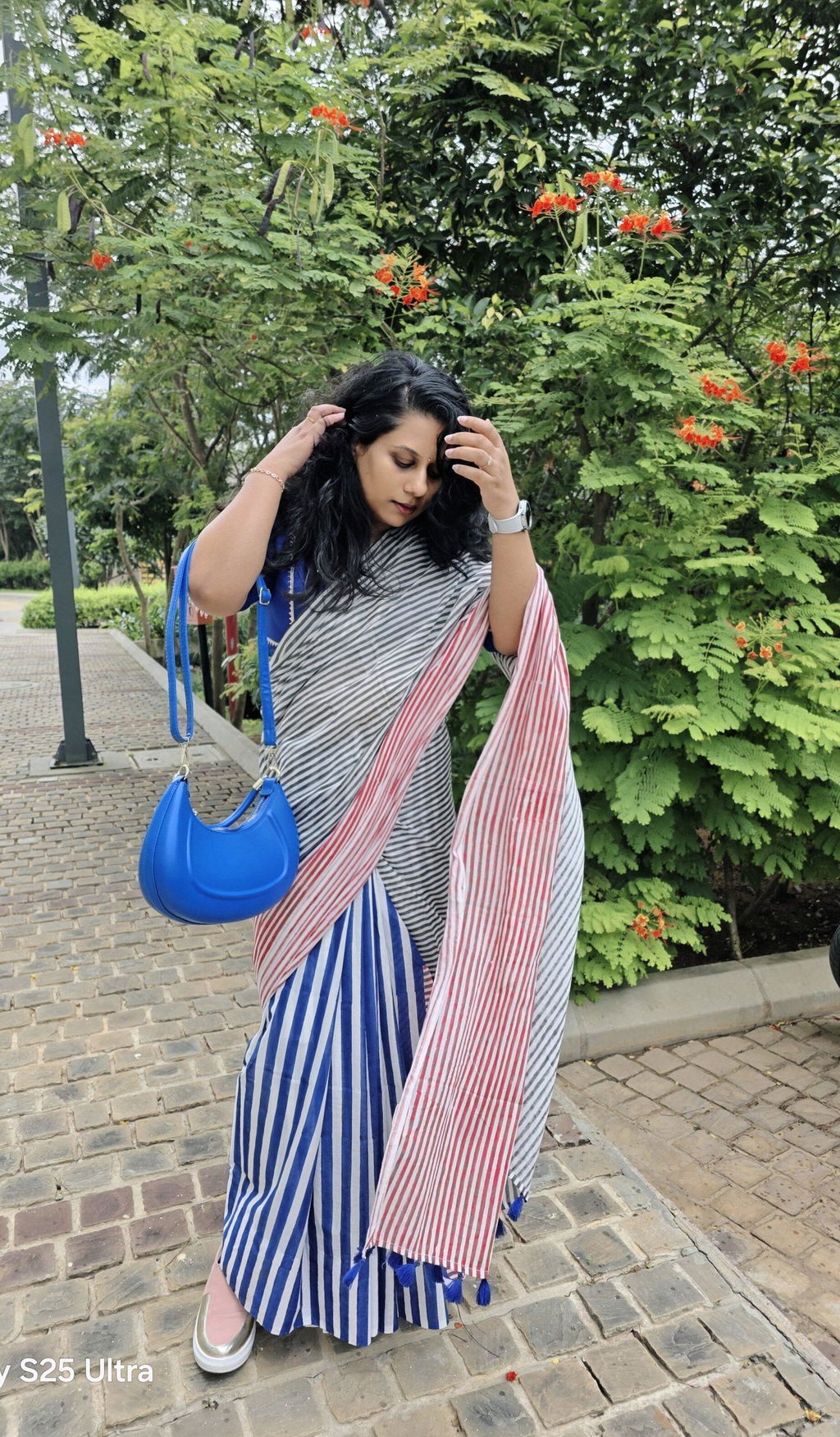
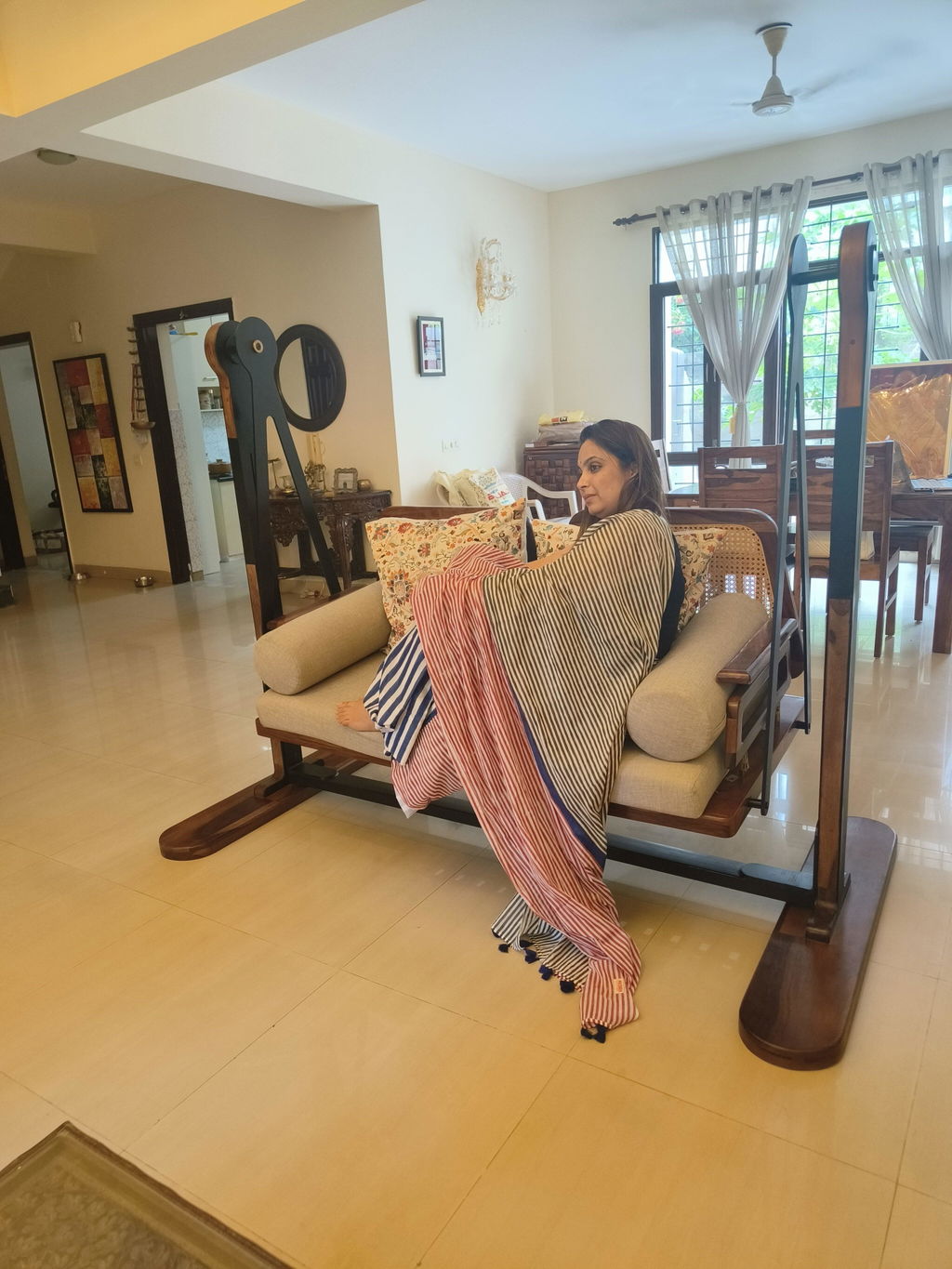
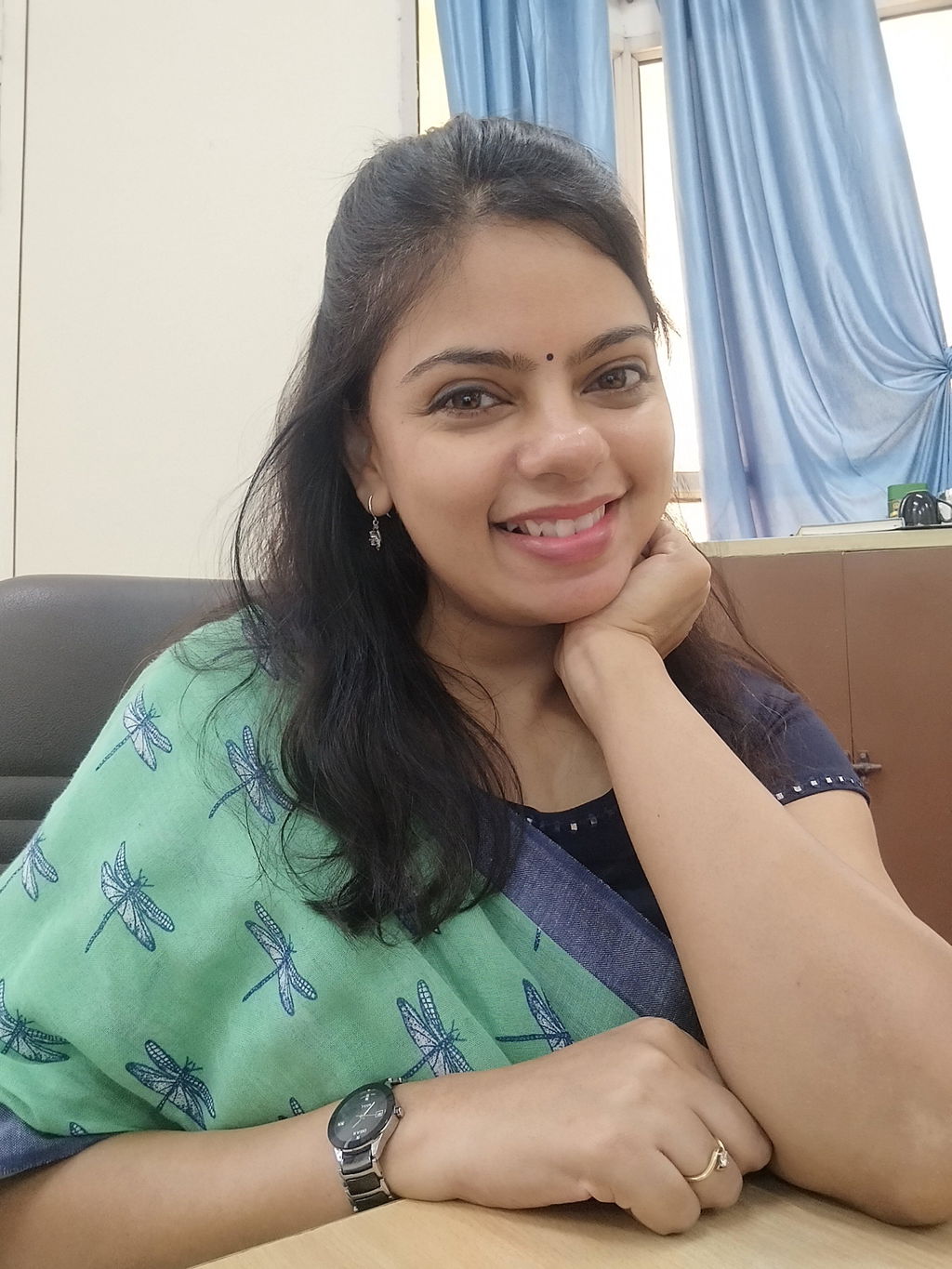


Why Party Wear Doesn’t Have to Be Heavy: The Rise of lightweight party wear

Festivities have always been a part of our life. they are being that mood refreshers which bring people, mood and fun together. And thus they are meant to feel light. They are meant to fill the day with warmth, yet somewhere along the way, festive dressing became heavy. Heavy fabrics, heavy embellishments, heavy expectations. We began to associate celebration with discomfort. Long hours spent adjusting pleats, fabrics that trap heat, sarees worn for a few photographs before being folded away again. What was once joyful slowly became tiring. But celebration does not need weight to feel meaningful.
Across India, a quieter shift is taking place. One that reimagines festive dressing not as something to endure, but something to enjoy. A way of celebrating that feels breathable, comfortable, and deeply rooted in craft.
This blog is about festive dressing Moora way, without the weight.
When Festive Dressing Became a Performance
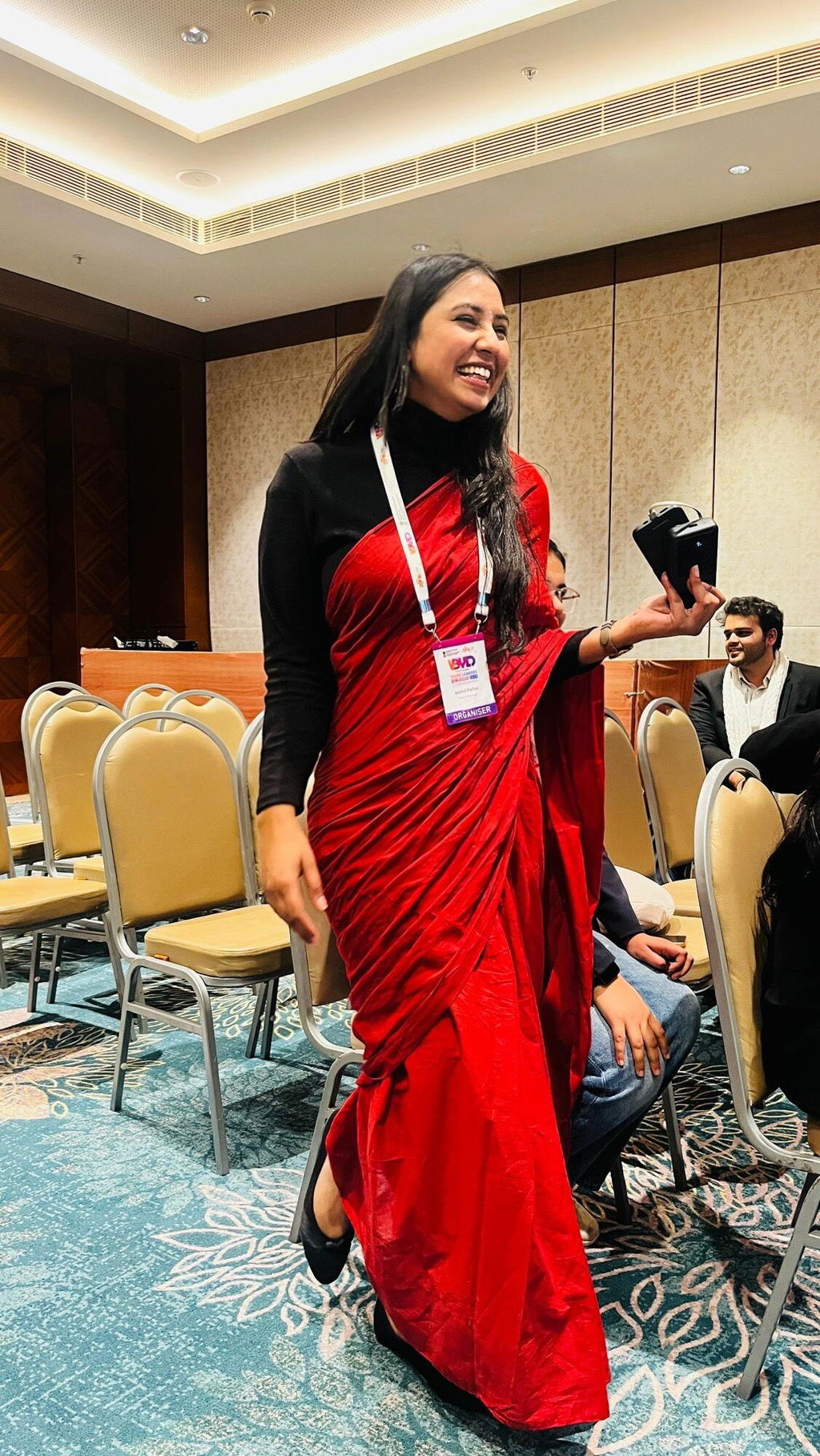
Clothing slowly stopped serving the person wearing it. Outfits began to demand attention, patience, and endurance, instead of giving freedom to enjoy the event. Heavier fabrics, stiffer silhouettes, and exaggerated details turned celebrations into moments of display rather than ease. What once was about gathering, movement, and shared joy became about standing still, adjusting pleats, and managing discomfort. In this shift, the quiet purpose of festive clothing was lost. Dressing up started to feel like something to carry rather than something to live in, where the outfit took centre stage and the wearer learned to move around it, instead of moving freely within it. For decades, festive wear has been shaped by visual impact. The louder the colour, the heavier the fabric, the more ornate the detailing, the more “appropriate” it seemed for celebration. But this idea came at a cost, heavy festive sarees often:
-
Limit movement
-
Feel restrictive over long hours
-
Trap heat during crowded gatherings
-
Demand constant adjustment
They look impressive, but rarely feel lived in. Festivals, however, are not static moments. They involve movement, sitting on the floo, walking between homes, cooking, laughing, participating. But lets be honest, real celebration requires ease.
A Cultural Reminder: Festive Did Not Always Mean Heavy

Image source: Indianart
Historically, Indian festive dressing was never about excess weight.
Many traditional festive sarees were crafted from breathable fabrics. The celebration came from colour, motif, and craftsmanship rather than heaviness. Comfort was considered essential, not optional. In warmer regions especially, festive textiles were intentionally light. Cotton and silk blends were favoured for their ability to hold colour while remaining breathable. The idea was to allow the body to move freely through the day.
Festive dressing was designed for participation, not presentation.
The Rise of Light Festive Sarees

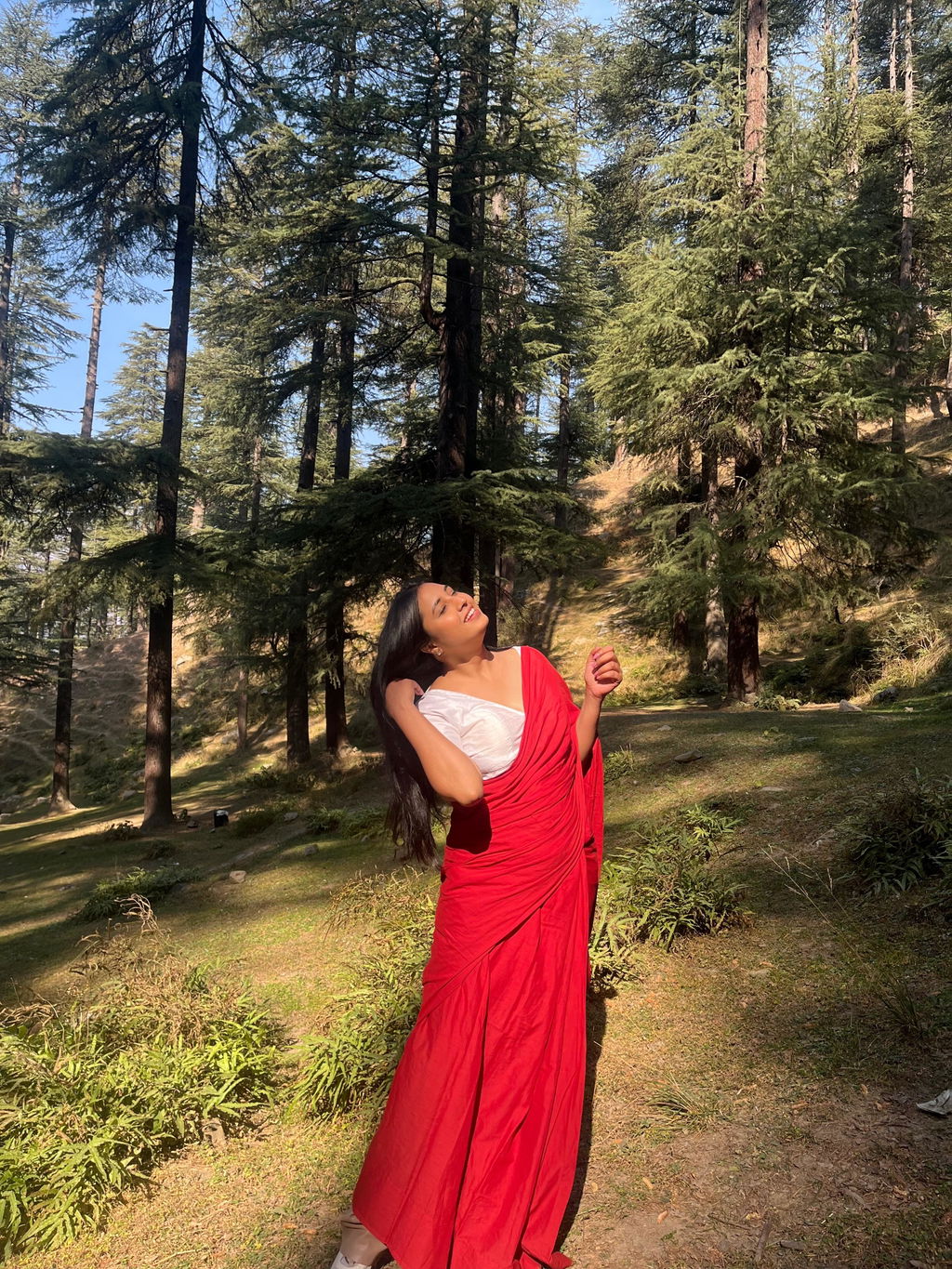
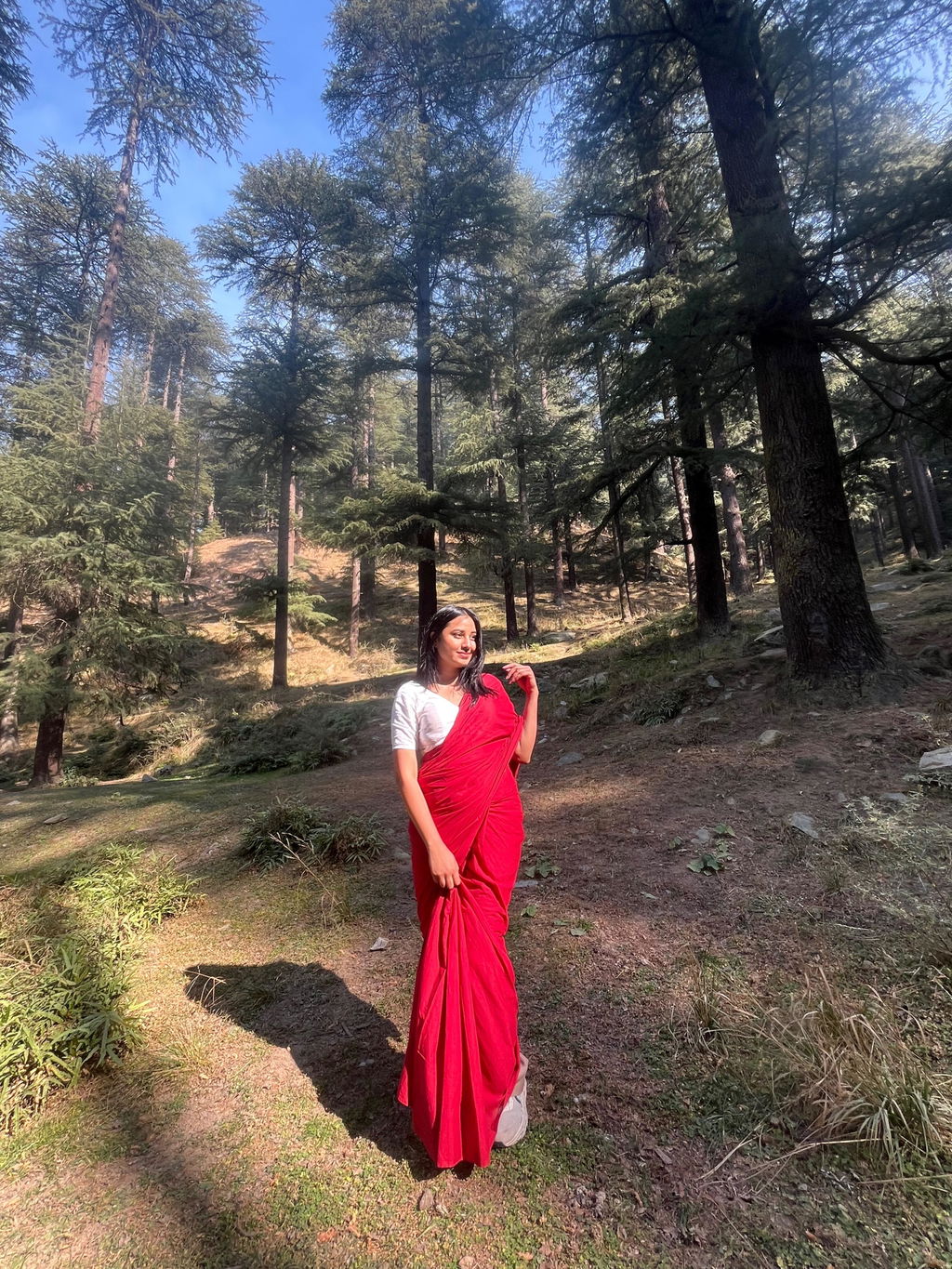
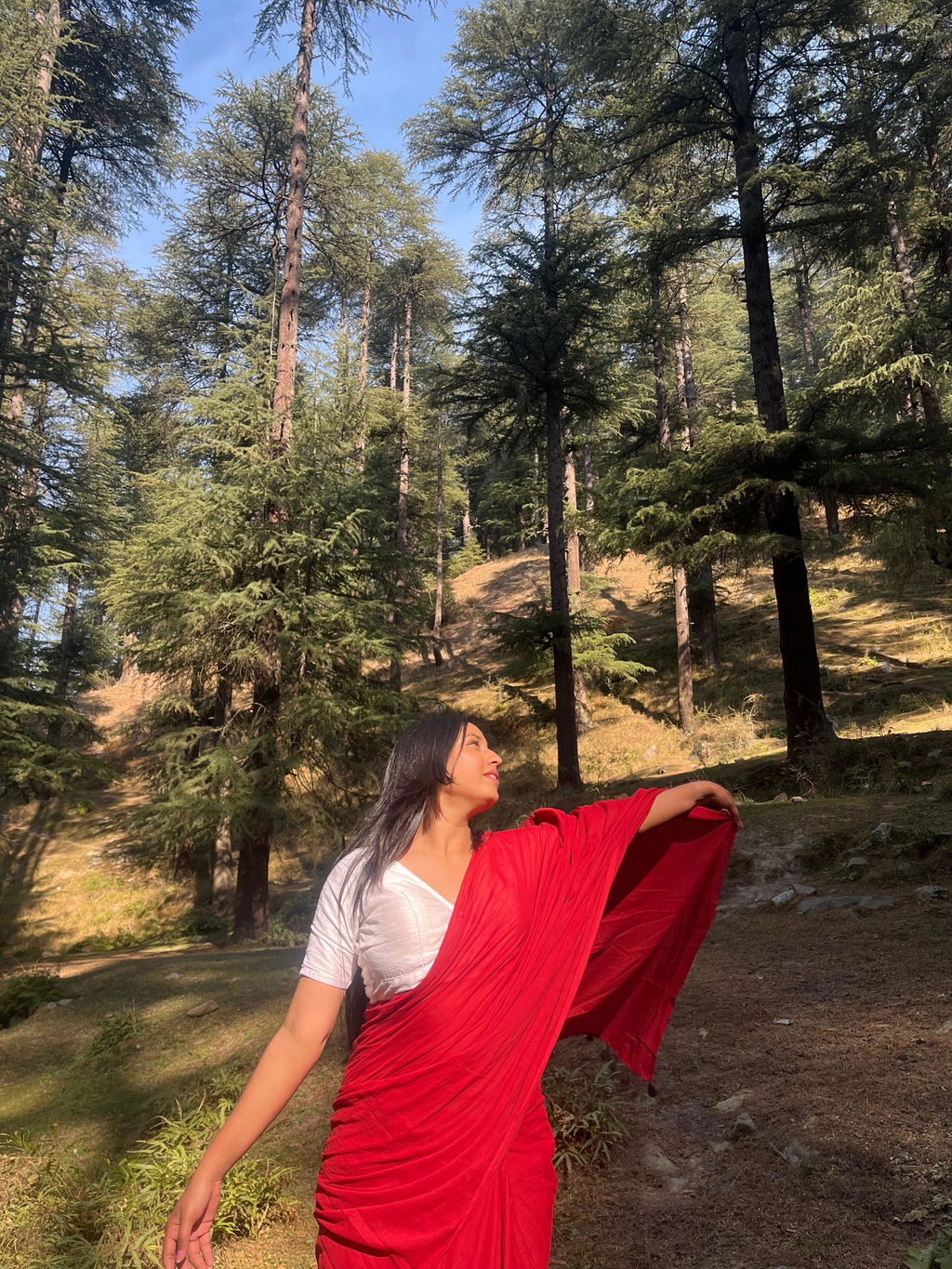
The rise of light festive sarees comes from a simple need: comfort that lasts beyond the first hour of celebration. More women now prefer sarees that feel easy on the body, allow free movement, and stay comfortable through long days and evenings. Soft fabrics like mulmul, cotton and georgette are replacing heavy materials that feel tiring and restrictive. Festive dressing is becoming less about wearing weight and more about enjoying the moment. A light festive saree lets you move, sit, eat, laugh, and celebrate without constantly adjusting what you are wearing. Modern celebrations have changed. Festivals now stretch across full days and multiple gatherings. There is less separation between “occasion wear” and “day wear.” This shift has given rise to a new festive sensibility. One that values:
-
Breathable fabrics
-
Fluid drapes
-
Minimal but thoughtful detailing
-
Ease of movement
Light festive sarees are not about doing less. They are about choosing better.
Fun Fact: The Heavier the Fabric, the Less It Breathes
Heavily embellished or synthetic festive sarees may look luxurious, but they significantly reduce airflow. The result is trapped heat and discomfort, especially in Indian climates. Natural fabrics with lighter weaves allow air circulation and moisture absorption. This makes them far more suitable for long festive hours.
Luxury, in this sense, is not weight.
It is comfort.
Why Festive Without the Weight Feels More Modern
 Modern festive dressing reflects modern lives. Women today move between roles effortlessly. Host. Guest. Cook. Participant. Caregiver. Celebrant. Festive wear that demands constant attention disrupts this flow. Light festive sarees support it. They stay comfortable through extended wear. They move easily. They adapt to the rhythm of the day. They allow celebration to unfold naturally.
Choosing Festive Sarees That Actually Get Worn
Many festive sarees spend most of their life inside wardrobes. They are bought with excitement, worn once for a special day, and then carefully folded away, waiting for the “right” occasion that often never comes. Over time, they stop feeling special and start feeling distant. Light festive sarees change this habit. Because they feel comfortable on the body, they invite repeat wear. Because they are not heavy or overwhelming, they fit into more moments than just one festival. They can be worn for daytime celebrations, family gatherings, or quiet functions without feeling out of place. Their ease makes them familiar, not intimidating.
This is where the idea of value begins to shift. Value is no longer about how expensive a saree is, but how often it is worn. A saree that returns to your wardrobe again and again carries more memories, more comfort, and more meaning than one that is worn only once and forgotten.
The Role of Craft in Light Festive Dressing
 The role of craft in light festive dressing is not to add weight, but to add meaning. When craft is done thoughtfully, it allows a saree to feel special without feeling heavy. Hand-block printing, delicate weaves, and natural fabrics bring quiet richness to festive wear. The beauty comes from detail rather than excess from patterns placed with care, from fabrics that breathe, and from finishes that remain soft on the skin. Craft, in this sense, does not compete for attention. It supports comfort, movement, and ease, allowing festive dressing to feel natural and lived-in rather than performative.
Lightness does not mean lack of detail. It means thoughtful application of craft.
Fun Fact: Hand-Block Printing Keeps Fabrics Breathable
Unlike heavy surface embellishments, hand-block printing works with the fabric rather than against it. The process preserves airflow and flexibility, keeping the saree light and comfortable.
This is why hand-crafted festive sarees often feel softer and more breathable over time.
Festive Dressing That Supports Movement
Celebration involves movement. From greeting guests to participating in rituals, festive days are rarely still. Light festive sarees support this reality. They:Do not pull or restrict,
Sit comfortably for long periods, Move naturally with the body.
This makes them ideal for full-day celebrations, not just short appearances. Festive without the weight allows the wearer to fully participate.
Where Moora Fits In
 Moora approaches festive dressing with this philosophy in mind. Celebration should feel joyful, not demanding. Moora’s festive sarees focus on breathable fabrics, artisan craft, and thoughtful design. The emphasis is on comfort that lasts from morning rituals to evening gatherings.
Festive Without the Weight Is Also Sustainable
Fun Fact: Sarees That Breathe Also Age Better
Natural fabrics soften with time. They become more fluid, more personal. Synthetic heavy fabrics often stiffen or lose shape.
This is why light festive sarees tend to become favourites rather than one-time pieces.
The Emotional Shift: From Impressing to Enjoying
Festive without the weight represents an emotional shift. It moves away from dressing to impress, and towards dressing to enjoy. It prioritises how a saree feels over how it photographs. It values comfort as a form of confidence. When the body feels at ease, presence follows.
This is what transforms celebration from performance to experience.
Festive Dressing as an Act of Mindfulness
Choosing light festive sarees is also an act of mindfulness. It reflects awareness of the body, climate, and occasion. It signals a shift from excess to intention.Mindful festive dressing prioritises how one feels over how one appears. This quiet confidence is what defines modern celebration.
For that mindful comfort festive wear saree you can always go for Moora.
Conclusion: A Lighter Way to Celebrate
Festivals are meant to lift us, not weigh us down. Festive without the weight is not about simplifying celebration. It is about reclaiming joy. About choosing sarees that support movement, comfort, and connection. Light festive sarees honour tradition without excess. They respect craft without complication. They allow celebration to feel natural rather than forced. In choosing festive dressing that breathes, moves, and lasts, we return to what celebration was always meant to be.
Present. Joyful. And easy to live in.
Frequently Asked Questions
1.What does “festive without the weight” mean in sarees?
“Festive without the weight” refers to festive sarees that feel light, breathable, and comfortable while still looking special. These sarees avoid heavy embellishments, stiff fabrics, and synthetic layers. Instead, they rely on natural fibres, thoughtful craftsmanship, and elegant detailing to create a festive look that can be worn comfortably for long hours.
2.Are lightweight sarees suitable for Indian festivals?
Yes. Lightweight sarees are especially suitable for Indian festivals because they are designed for hot and humid weather. Festivals often involve long hours, movement, and crowded spaces. Breathable fabrics like cotton, mulmul, and light silks help regulate body temperature, making them ideal for extended wear during celebrations.
3.Why do heavy festive sarees feel uncomfortable over time?
Heavy festive sarees often use dense fabrics, synthetic blends, and thick embellishments that restrict airflow. These materials trap heat and limit movement, causing discomfort over time. While they may look elaborate initially, they can feel tiring when worn for long durations, especially in Indian climates.
4.What fabrics work best for light festive sarees?
Natural fabrics work best for light festive sarees. Cotton, mulmul, chanderi, and soft silks are breathable and adapt well to body temperature. These fabrics allow airflow, absorb moisture, and remain comfortable throughout the day while still holding colour and structure for festive occasions.
5.Can festive sarees be worn beyond one occasion?
Yes. Light festive sarees are designed to be versatile. Because they prioritise comfort and timeless craft over trends, they can be worn across multiple festivals, gatherings, and even formal daytime events. This makes them a practical addition to an everyday wardrobe rather than a one-time purchase.
6.How does artisan craftsmanship keep festive sarees lightweight?
Artisan techniques such as hand-block printing and hand weaving work with the natural structure of the fabric rather than adding layers on top. These methods enhance the saree visually without compromising breathability or softness, allowing the saree to remain light and fluid.
7.Are lightweight festive sarees less luxurious?
No. Luxury is not defined by weight. Lightweight festive sarees often feel more luxurious because they allow ease of movement, softness against the skin, and comfort over long hours. The quality of fabric, depth of colour, and craftsmanship contribute more to luxury than heaviness.
8.Do lightweight sarees require special care?
Lightweight sarees made from natural fabrics are generally easy to care for. Gentle washing and proper storage help maintain their softness and longevity. Because they are not coated with heavy chemical finishes, they often age better with regular use.
9.Are lightweight sarees suitable for full-day celebrations?
Yes. Lightweight sarees are ideal for full-day celebrations because they remain comfortable from morning rituals to evening gatherings. Their breathable nature prevents fatigue, making them suitable for extended wear without the need for frequent adjustments.
10.How does Moora approach festive dressing differently?
Moora designs festive sarees with comfort as the foundation. By focusing on breathable fabrics, artisan craftsmanship, and thoughtful construction, Moora ensures that festive sarees feel light, wearable, and relevant for modern lifestyles. Ease is built into the design, allowing celebration to feel effortless.
11.Why are breathable fabrics important for festive sarees?
Breathable fabrics help regulate body temperature and reduce discomfort caused by heat and humidity. During festivals, this becomes essential as gatherings are often crowded and involve long hours. Breathable sarees allow the wearer to stay comfortable and present throughout the celebration.
12.Can light festive sarees still look elegant and traditional?
Absolutely. Elegance comes from proportion, craft, and detail not from heaviness. Light festive sarees use colour, motifs, and fine craftsmanship to create a traditional aesthetic without relying on excess material or embellishment.

